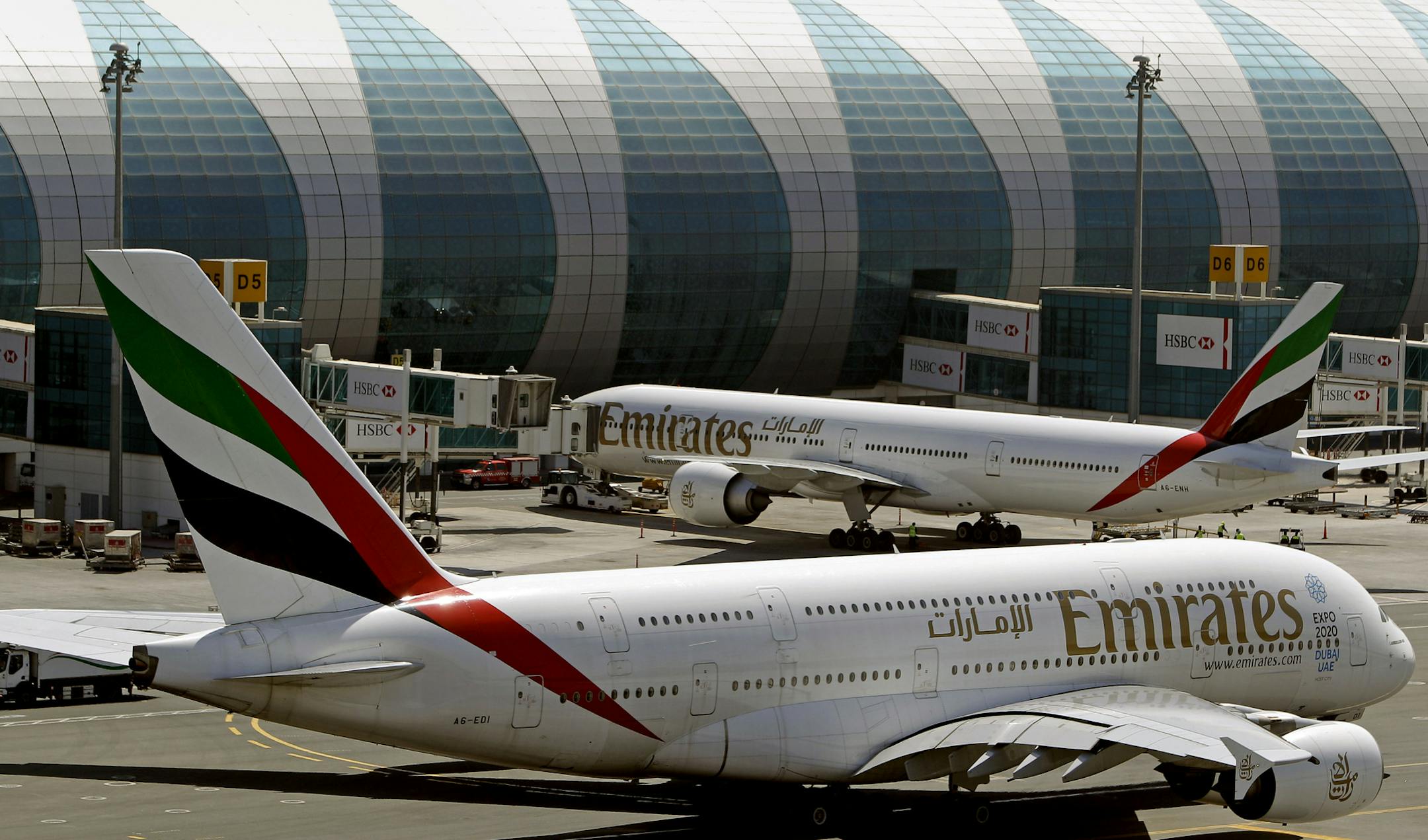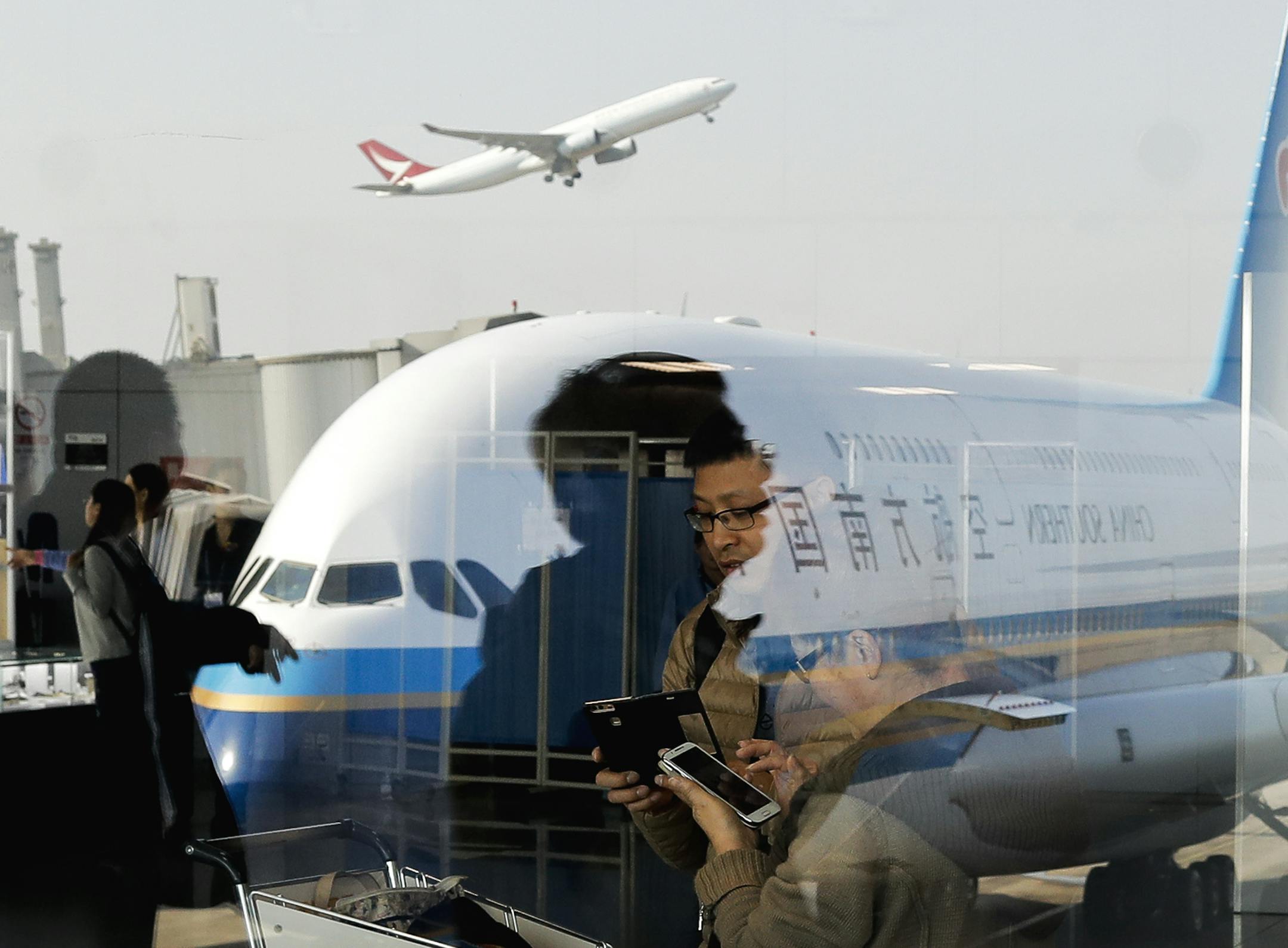
At the world's major airports, plane-spotters often spend days waiting for the world's largest passenger plane, the Airbus A380, to make an appearance. The nerds at Dubai International Airport are spoiled for choice.
It is home to Emirates, an airline that owns 86 of the monster aircraft, almost half the global A380 fleet. These planes have propelled Emirates from insignificance a decade ago to its position as the world's biggest carrier, as measured by international passenger mileage in 2015.
Now the airline has hit a rough patch. That is bad news for Airbus, the European aerospace and defense giant that makes the A380, and for the plane itself.
Demand once seemed insatiable for flights through Emirates' hub in Dubai, which is known in the industry as a "super-connector" airport. Now its location helps explain the airline's difficulties as well as its spectacular past growth, says its president, Sir Tim Clark.
When he helped set up the airline in 1985, he says, Dubai was "an enchanting Arab village" that generated little air traffic. Instead of filling up the planes with locals, his strategy was to use its position halfway between Asia and Europe to connect flights between cities that lacked obvious links, such as Cairo and Shanghai or Moscow and Cape Town.
Connecting these "strange city pairs," as he puts it, led to soaring passenger numbers. A string of purchases of A380s, starting in 2008, helped traffic to more than double to 51 million in 2015. Good airport facilities and access to cheap labor (even expatriate pilots are inexpensive in Dubai because of low taxes) contributed to profits as well: the airline has the lowest costs of any long-haul carrier in the world.
But over the past year or so problems have mounted. Low oil prices have hit the economies of many of Dubai's neighbors, reducing regional passenger traffic. Terrorist attacks in cities and airports in Europe and the Middle East have dampened tourism activity generally.
Although Dubai itself is safe, conflict in Iraq, Syria and Yemen, as well as Turkey's attempted military coup in July, are prompting passengers to choose other connecting cities. Currency volatility has also meant abrupt drops in revenue on some routes.