HANOI, VIETNAM - Destitute and war-ravaged a generation ago, Vietnam today boasts a fast-growing economy and a youthful workforce that has helped propel two-thirds of its 85 million people out of poverty since 1986.
The United States, which restored relations with Vietnam in 1995, 20 years after the "American War," is one of Vietnam's largest trading partners and investors. In the process, Vietnam has become one of Asia's economic stars, surpassing neighboring Thailand by some measures.
"The Vietnamese are extremely hard-working and positive about their future," said Marianne Smallwood, 26, a University of Minnesota business school graduate whose father fled South Vietnam as the Communist north advanced on Saigon. She is one of several Minnesotans with a Vietnam connection I met on a March visit to the country.
Marianne Smallwood works for ChildFund in Hanoi, which advises the government and promotes sustainable development and public health. "Vietnam is headed toward a very exciting time, considering where it was 20 years ago."
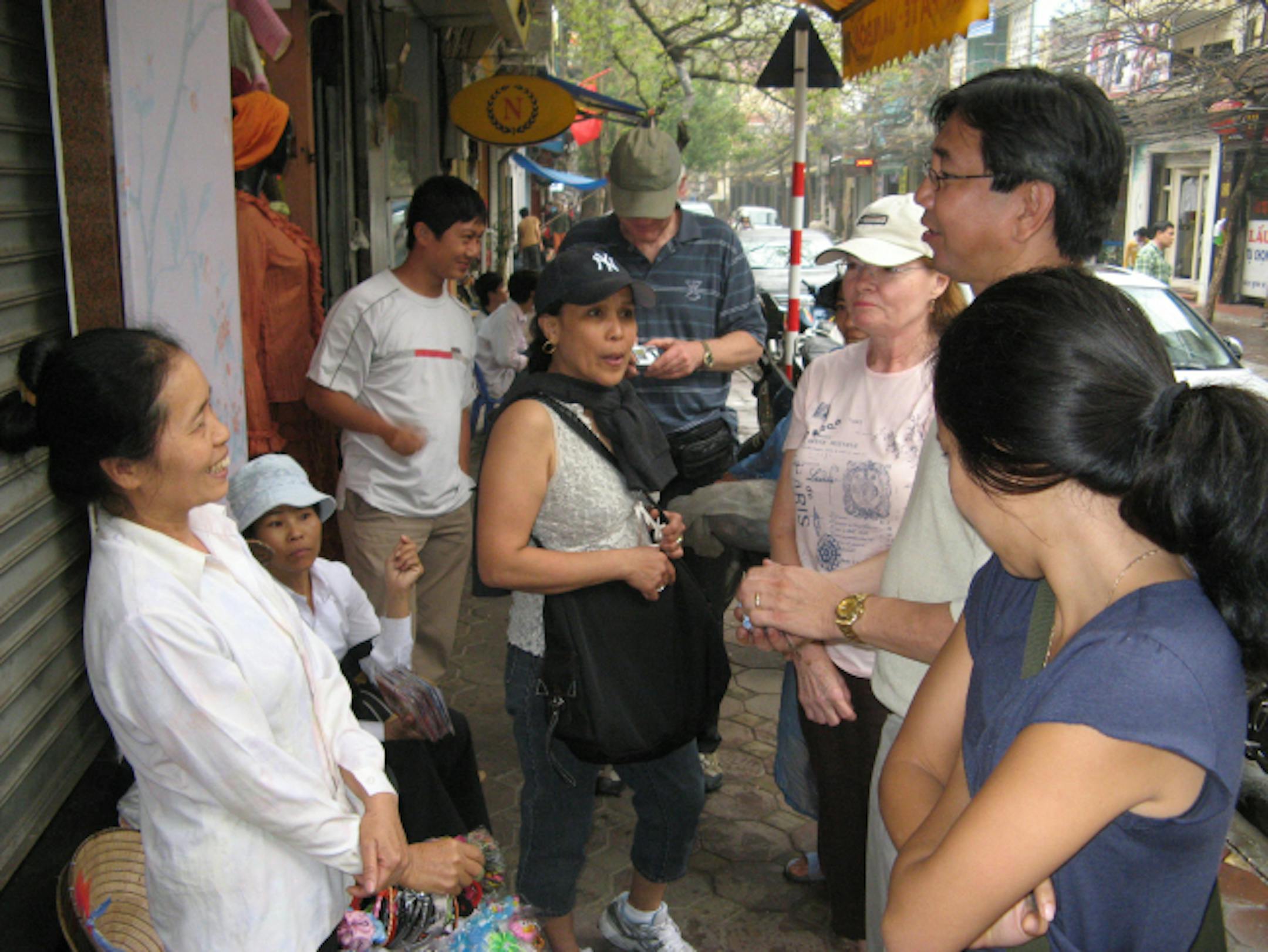
In March, I toured Saigon, the Mekong Delta and Hanoi with Marianne's parents, Paul and Anita Smallwood of Maple Grove; and Bob and Joan Carlson of St. Paul.
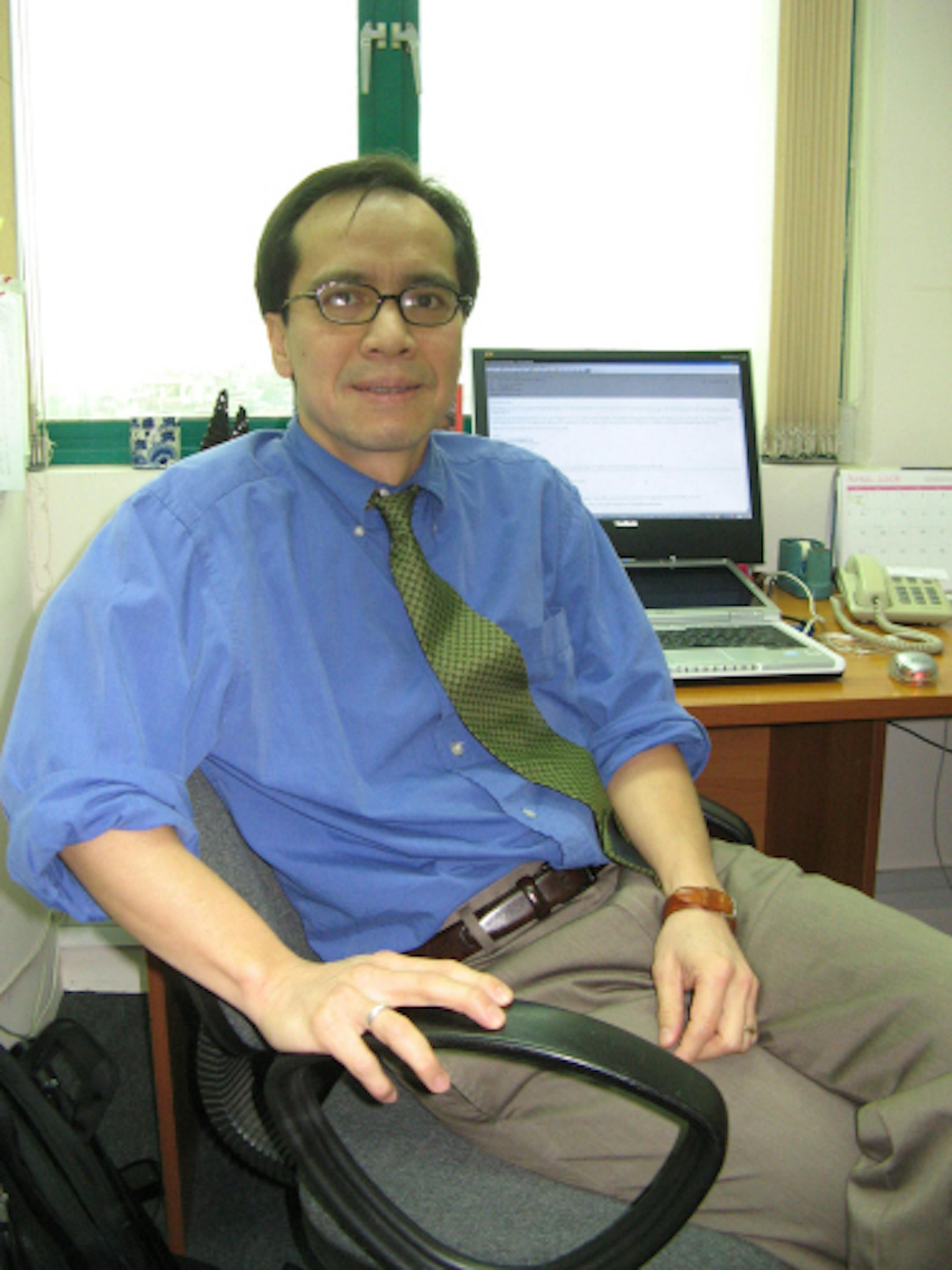
Paul Smallwood, born Nguyen Thai Ha in Saigon in 1960, immigrated to the United States in 1974. He is an engineer and CEO of FlowSense, an engineering-services company that focuses on energy-retrofits of buildings and equipment. Smallwood plans to expand to Vietnam.
Carlson, 66, retired CEO of Reell Manufacturing of St. Paul, was an Army captain in the Mekong Delta, south of Saigon, in 1967-68. At first, he wasn't sure he wanted to return to the scene of tremendous destruction and despair.
But Carlson, who survived a hair-raising tour of combat, returned to find that the refuse- and refugee-strewn streets of Saigon and bombed-out Hanoi have been replaced by new construction, clean streets, deal-making street merchants, healthy schoolkids and a commercial and cultural marvel.