If Japanese retailer Uniqlo is looking for more space in American malls, there may be sites opening up soon. Same for U.K. clothing chain Topshop and Swedish retailer H&M, both of which have been expanding in North America.
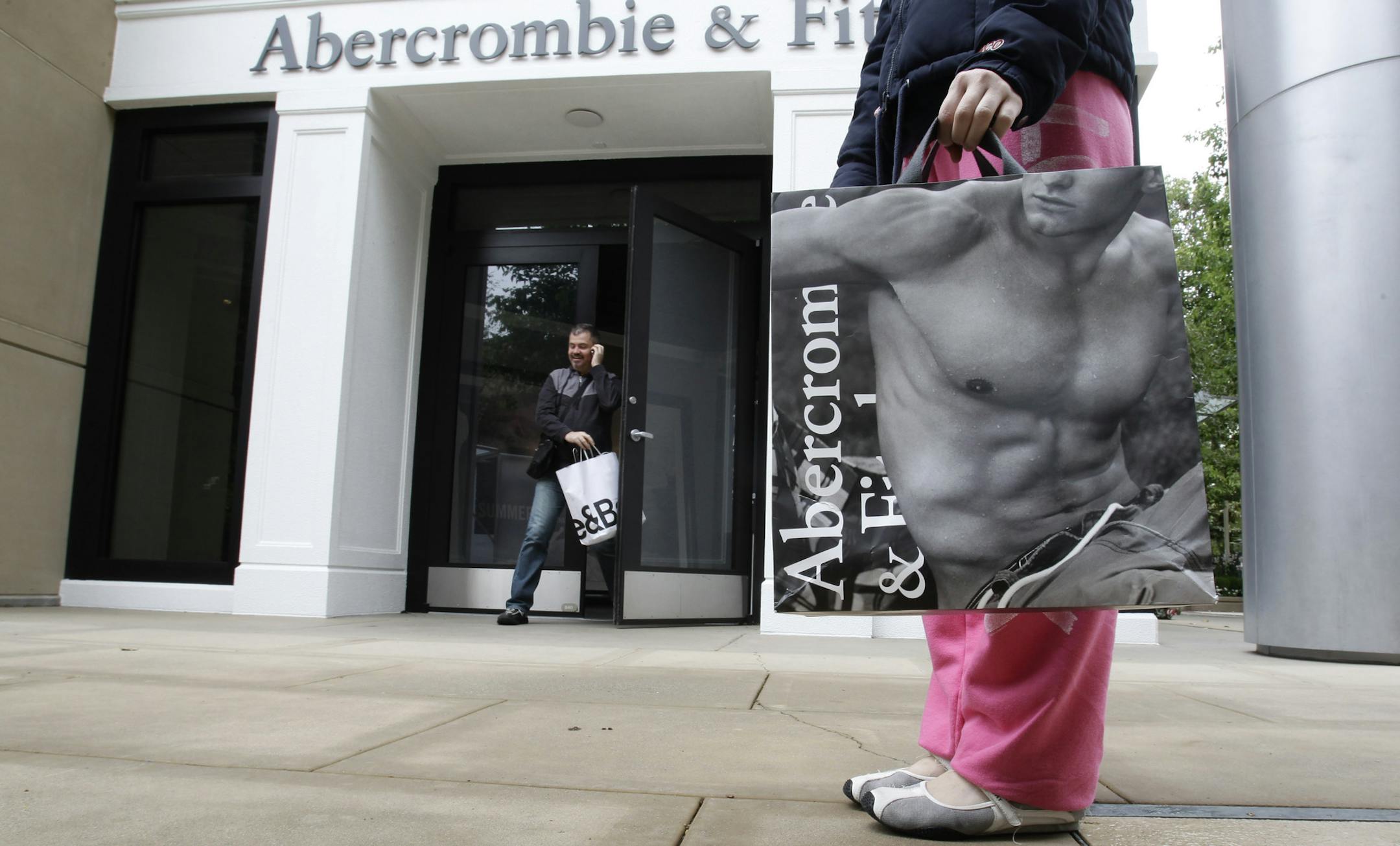
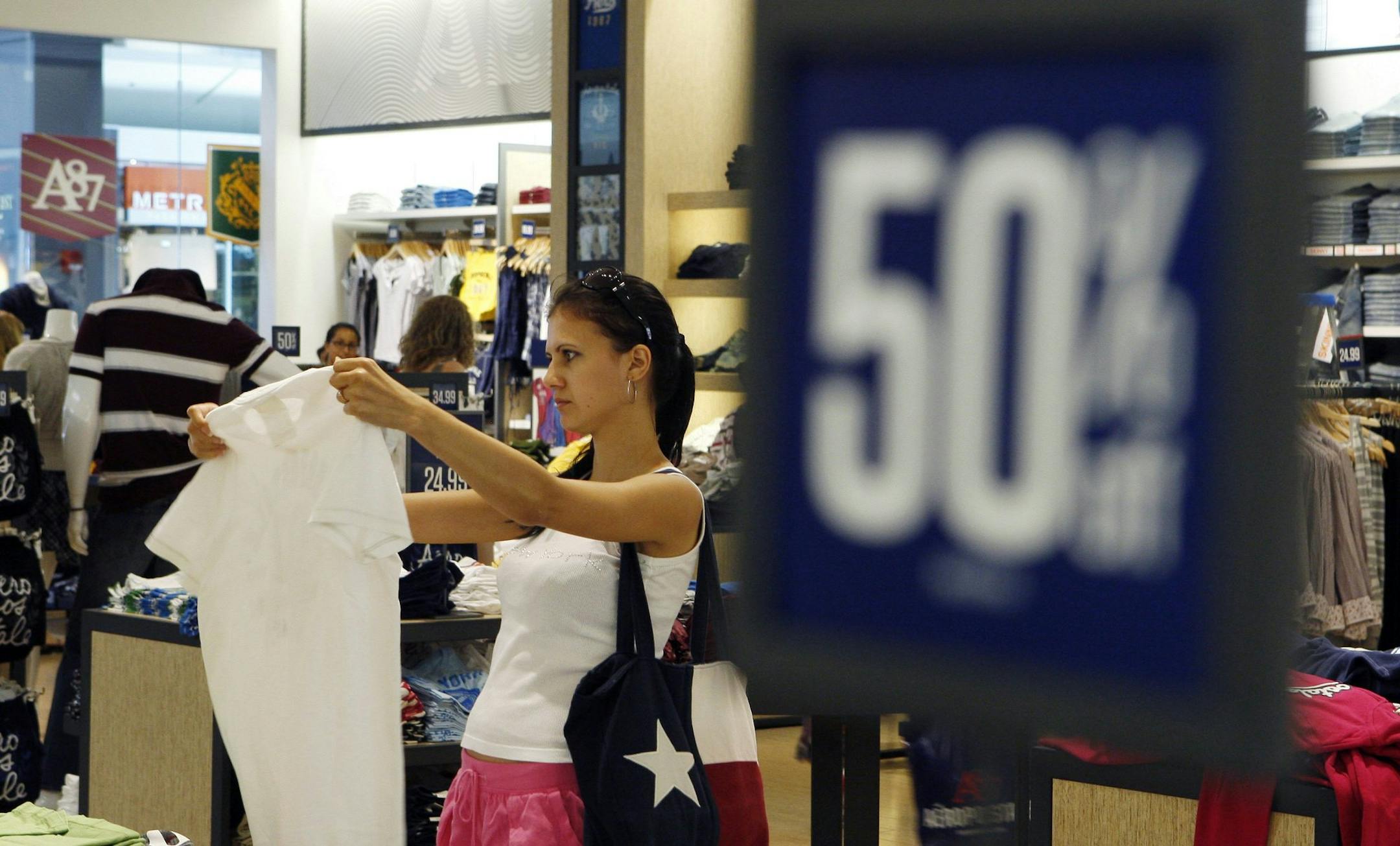
Hundreds of spaces that for years have been clubs for teens looking for preppy clothes, maybe with a flashy logo, could be available for lease as clothing retailers such as American Eagle Outfitters, Abercrombie & Fitch and Aeropostale reconsider what kind of square footage they need.
The mall-based chains that for years ruled the nation's high school wardrobes are trying to overhaul their merchandise delivery systems to serve a smartphone-enabled generation that wanders easily between digital and mall shopping. That means not just helping them shop by phone but also delivering new styles faster and at prices teens are willing to pay.
"We continue to research this customer," Abercrombie CEO Michael S. Jeffries said in a recent conference call with analysts. "I continue to believe we are taking the brands to a place that is more relevant."
No one could accuse the chains of not taking the issue seriously, even if they might have been a little slower than some would like.
JPMorgan analyst Brian Tunick calculated that between 2007 and 2013, off-price chains and fast-fashion retailers — a category that includes names such as Forever 21, H&M, Uniqlo and Zara that offer inexpensive and frequently changing fashion — made significant gains.
Meanwhile, the American teen retailing chains were following the example of some of those international players by opening stores aggressively around the world. They've done well enough that most plan to continue to add stores abroad.
Yet they still were trying to figure out how best to manage the massive chains that they had built across North America, as teen spending slowed along with the Great Recession and rising unemployment. Of late, there haven't been any major fashion trends to drive sales, either.