Pockets of land around Lake Minnetonka served for thousands of years as the sites of sacred burial for the Dakota people.
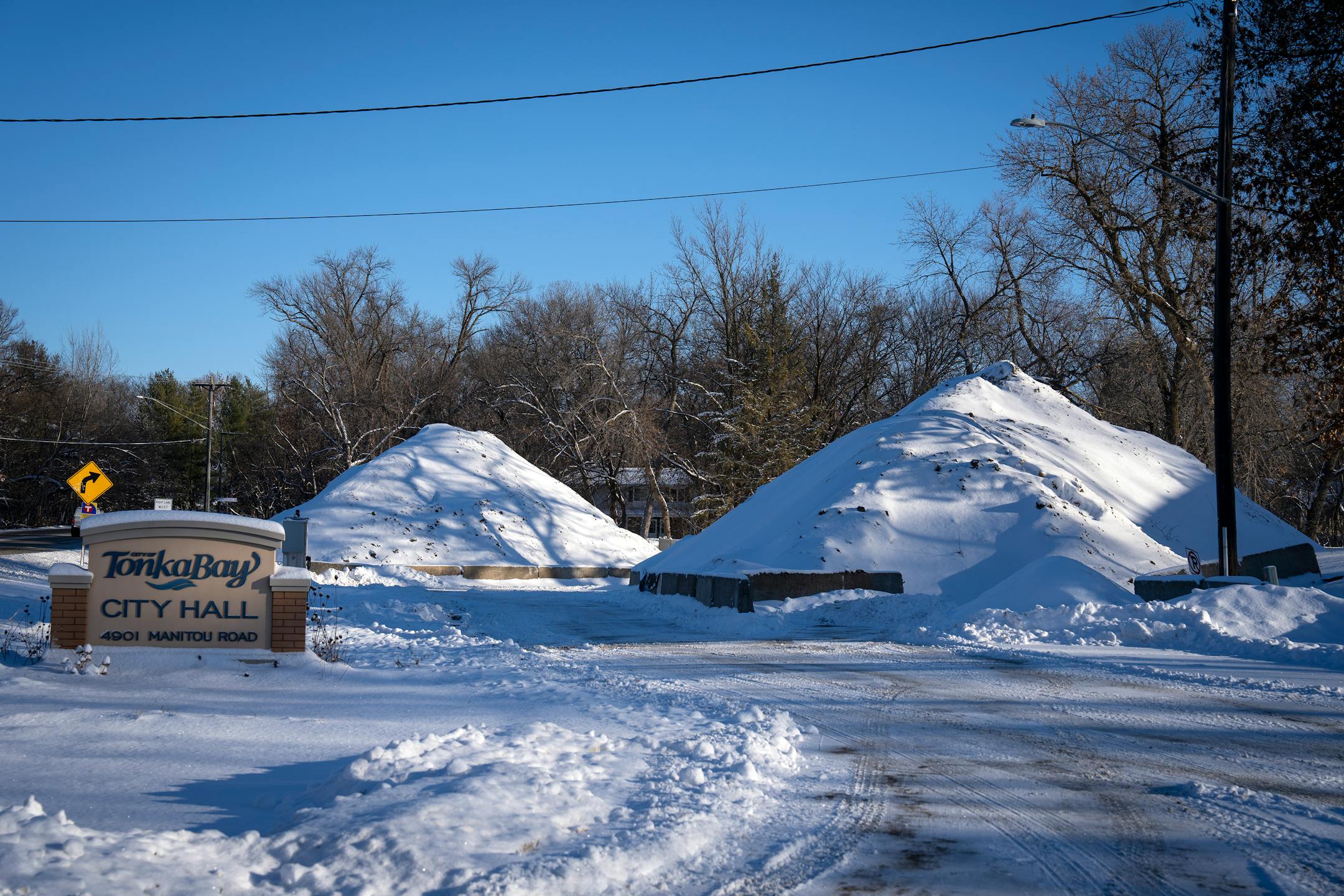
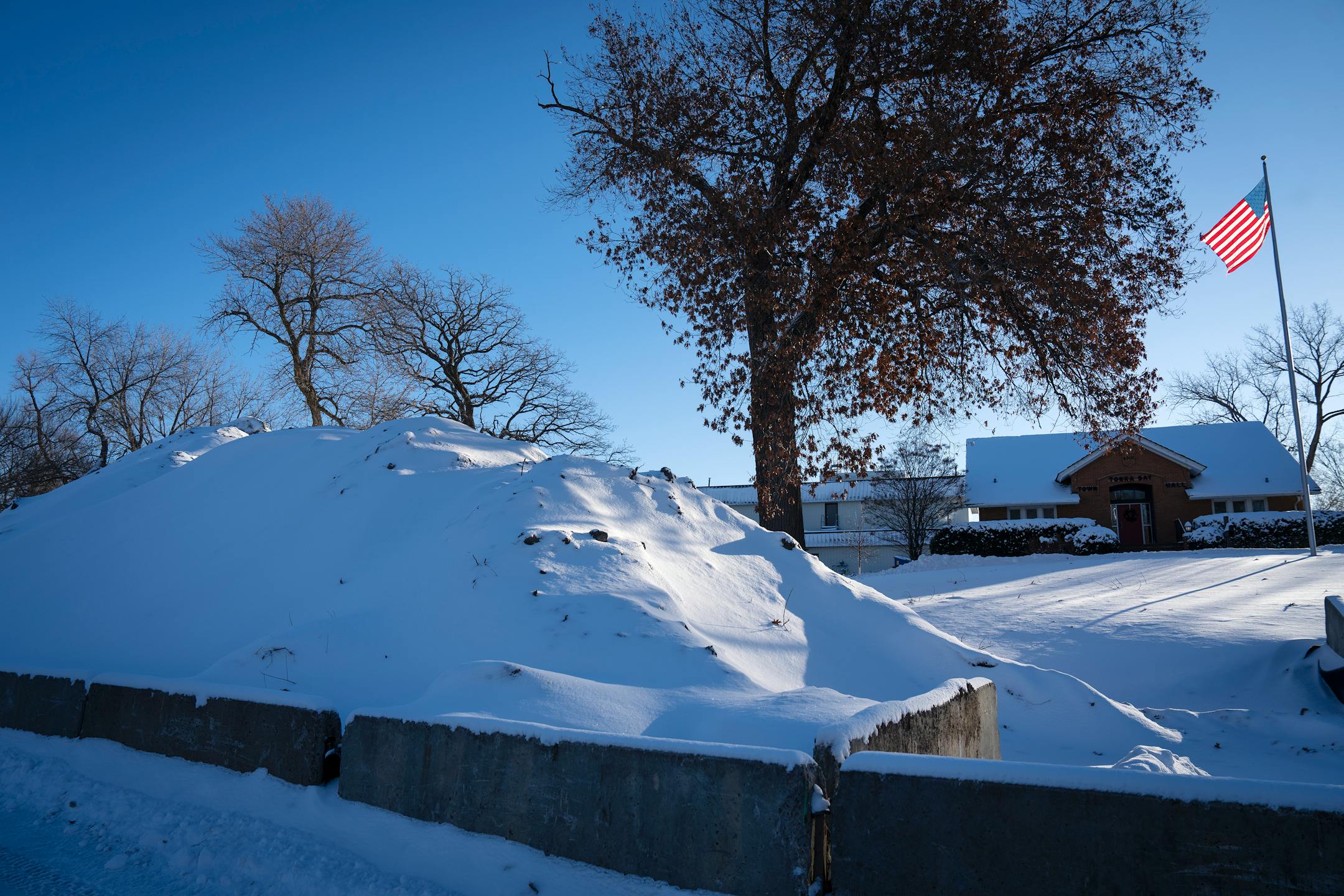
Now, some of that soil sits in giant piles outside Tonka Bay City Hall as local officials and tribal leaders try to figure out how to most respectfully handle material that was unearthed during a road construction project.
“There’s two interests here: One is to build a roadway that is going to last, and [to] treat these burial remains with the respect they deserve,” said John Bradford with the consulting firm WSB, who serves as the city’s engineer. “And, we want to do both.”
Striking that balance can prove difficult, in part because tribes weren’t always consulted when the roads, sewers and water systems were installed decades ago amid booming suburban growth.
The infrastructure has aged since then and, as it comes due for replacement, cities are reckoning with the decisions made before modern laws protected Indigenous graves.
“We’re all in difficult positions trying to be respectful and trying to do things in a good way after so much destruction and desecration,” said Samantha Odegard, a tribal historic preservation officer for the Upper Sioux Community, which is working with Tonka Bay officials. “But, obviously, it’s harder on us because it’s our sites, our relatives that were most directly affected.”
Decades of disruption
Much of what is now the Twin Cities metro area served as homeland for the Dakota people for thousands of years, Odegard said. But many Indigenous people were forced out after the U.S.-Dakota War of 1862.
When people flocked to the suburbs a century later, many cities installed new roadways, water and sewer lines to support the growing communities. Current laws requiring officials to consult with tribes and return remains and sacred objects weren’t yet in place. Some sites were disturbed.