
Tolkkinen: The ideal cabin for a Minnesota lake is not a McMansion

The only lake with a perfect score for aquatic life preserves its natural shoreline.

Columnist Icon
The Minnesota Star Tribune
August 30, 2025 at 11:00AM
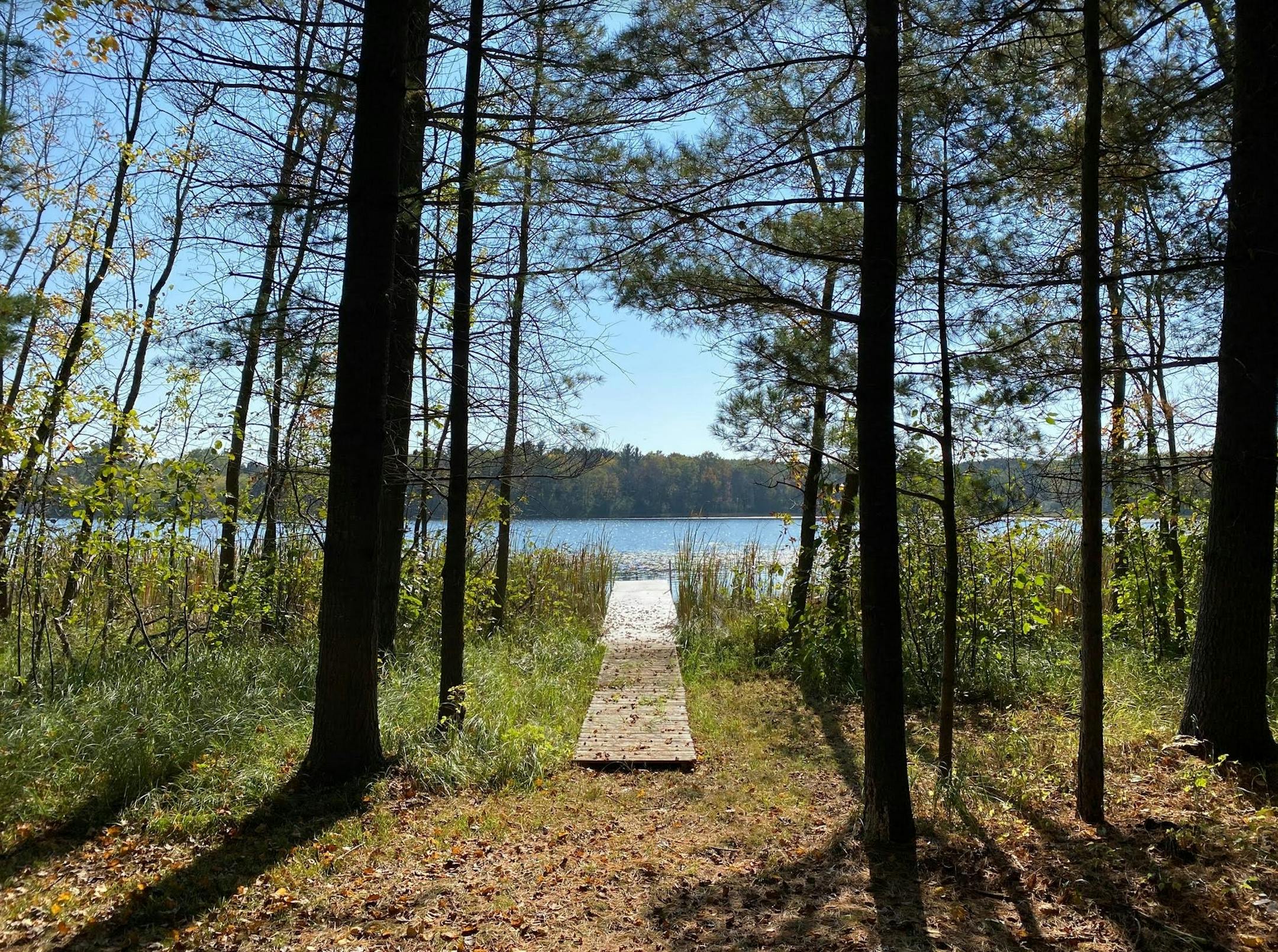
A simple cabin on a clean lake surrounded by nature is getting harder to find in Minnesota. (The Minnesota Star Tribune)

For decades, I wanted a lake cabin in Minnesota.

It would be a simple building surrounded by pines, maybe 400 square feet, with bookshelves, a woodstove and a sleeping loft.

A trail would lead to the lake and you’d pad along it barefoot, inhaling the smell of sun-warmed pine bark, moving between light and shadow as sunlight filtered through the trees.

Sadly, fantasy doesn’t equal reality. Many greater Minnesota lakes look more like the Twin Cities suburbs than a 1950s-era Outdoor Life cover. We treat lake lots as cash cows now, ringing up thousands of dollars a week from vacation rentals and flooding the coffers of rural counties with lakeshore taxes. The bigger the house, the higher the tax bill.

And our lakes suffer. In so many metrics, our own behavior has caused algal blooms and fish die-offs, loss of habitat and loss of these natural, quiet places that provide respite from the daily rush of life.

And we refuse to change.

Still, I was heartened to read that there’s at least one lake where home and cabin owners take their stewardship seriously.

Mitchell Lake in Crow Wing County is the only one of 3,000 lakes tested by the Department of Natural Resources to get a perfect score for the health of its aquatic life, and that’s partly because its lake quality has benefited from modest, sensible development in the past and that the watershed is 95% undeveloped. Locals say the mature firs and pines that line the lake help to buffer it from pollution. Cabins and houses also tend to be built farther away from the lake, many of them hidden from view.

That means they have chosen natural lakeshore instead of clearing out the trees. Clearing off your land might get you a pretty sunset, but it hurts pretty much everything else.

Minnesota has lost about half its natural shoreline, according to a 2023 report from the Minnesota Natural Shoreline Partnership. That means more pollution, more algae and harmful weeds, and less habitat.

But Minnesotans want to live on their lakes. So what’s the best way to build so that we protect them? If it’s not too late?

I reached out to several groups that contributed to the natural shoreline report for their ideas.

Here’s what they told me.

From Joe Shneider, president of the Minnesota Coalition of Lake Associations: Don’t pave your driveways. As lake lots get divided, that means more and more driveways. Rain and pollutants can’t drain into a paved driveway, so they tear up soil and run straight into the lake instead, especially during heavy rains. He’s not a fan of gravel, either, as it can be less permeable than earth. He recommends driving on grass.

When replacing small cabins with year-round lake homes, replace the septic system, too, he said. Septic systems that leak or are too small are a huge source of lake pollution.

From Michelle Stockness, executive director of Freshwater, a nonprofit organization focused on protecting Minnesota’s waters: Build no closer to the water than the DNR allows. Install water-saving fixtures in bathrooms and kitchens. Pick up after Fido! Don’t let his poo run into the lake. Try not to sprinkle salt outdoors; shovel and scrape snow instead.

Living on a lake might seem fun, but living in a sensitive ecosystem is actually a huge responsibility, and Stockness recommends finding out who manages your lake. Is there an active lake association? Are the local authorities serious about protecting lake health?

From Annie Knight, executive director of the Northern Waters Land Trust, which recently purchased pristine 3M land on Big Mantrap Lake in order to save it from development: Leave natural shoreline alone. If it’s already destroyed, please restore it. This is one of the most important steps lake homeowners can take to protect their lake’s water quality. Native trees and vegetation stabilize the soil, filter runoff before it enters the lake, and provide critical habitat for fish and wildlife.

Hint: Canada geese don’t like tall grasses.

Sometimes phrases like “lake health” and “water quality” come across as buzzy noise easy to ignore. But our health and well-being are tied up in it, too. I am convinced there are countless microscopic ways we suffer when our environment suffers.

On developed lakes, the simplicity will never be regained. The wheel has turned; life has moved on. Nobody’s going to tear down a mansion and build a cabin instead.

But maybe we can preserve it by protecting the as-yet undeveloped lakes from rampant development.

We humans need the natural environment just as much as the wildlife. We need the stillness of a summer afternoon when you can hear the fish jump and a woodpecker hammer on a dead pine.

We need those golden moments where you forget that you’re breathing and distinct from the trees and the rocky earth.

Can we get there again?

about the writer

about the writer

Karen Tolkkinen

Columnist

Karen Tolkkinen is a columnist for the Minnesota Star Tribune, focused on the issues and people of greater Minnesota.

See Moreicon

More from Greater Minnesota

See More
card image
Jp Lawrence/The Minnesota Star Tribune

The Minnesota State Patrol said the driver and passenger in one vehicle weren’t wearing seatbelts.

card image