
Tolkkinen: Growing veggies paid for siblings’ college and fed thousands of Minnesota kids

But now a southwest Minnesota family is calling the food business quits, and schools are scrambling to find replacement growers.

Columnist Icon
The Minnesota Star Tribune
September 27, 2025 at 12:00PM
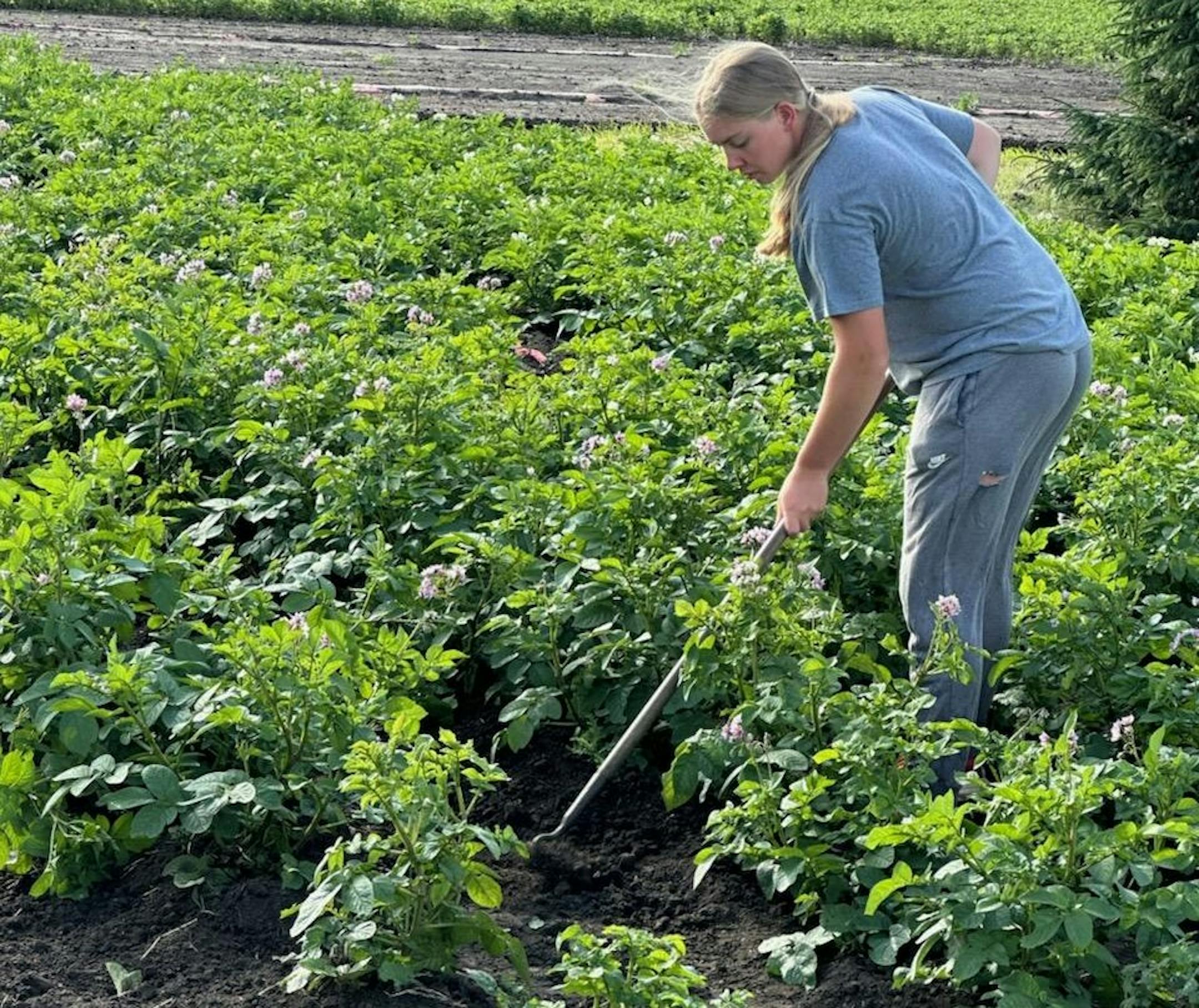
Katelyn Ruppert hoes soil around potato plants on her family's southwest Minnesota farm. Produce sales have paid for college for her and two siblings, and now the enterprise is over. Their school customers now need a new local grower to supply fresh veggies for students. (Provided)

Google creative ways to pay for college and you’ll find all sorts of suggestions.

You can take classes in high school for college credit. Join the military. Apply for scholarships.

The Ruppert family of southwestern Minnesota is doing it farm-style, by selling vegetables. For 18 years, Kimberly and Kerry Ruppert and their three kids have grown a huge garden in Murray County in southwest Minnesota, sowing cucumbers, beets, carrots, onions, watermelon, peppers and more.

They are fourth-generation operators of a farm homesteaded in 1897, and while most of their acreage is devoted to commercial-scale agriculture, they decided when their kids were small to start selling produce at local farmers markets.

It wasn’t a promising start. The first year they made just $100. Over the years, they expanded their garden and added farmers markets. Then they got involved in the Farm to School movement and began selling produce to multiple school districts. They invested the earnings into a 529 college savings plan for each child. And now, every school day during the fall, their 1 1/2-acre garden serves thousands of school children in 10 school districts in southwest Minnesota.

They grow it, harvest it and deliver it themselves.
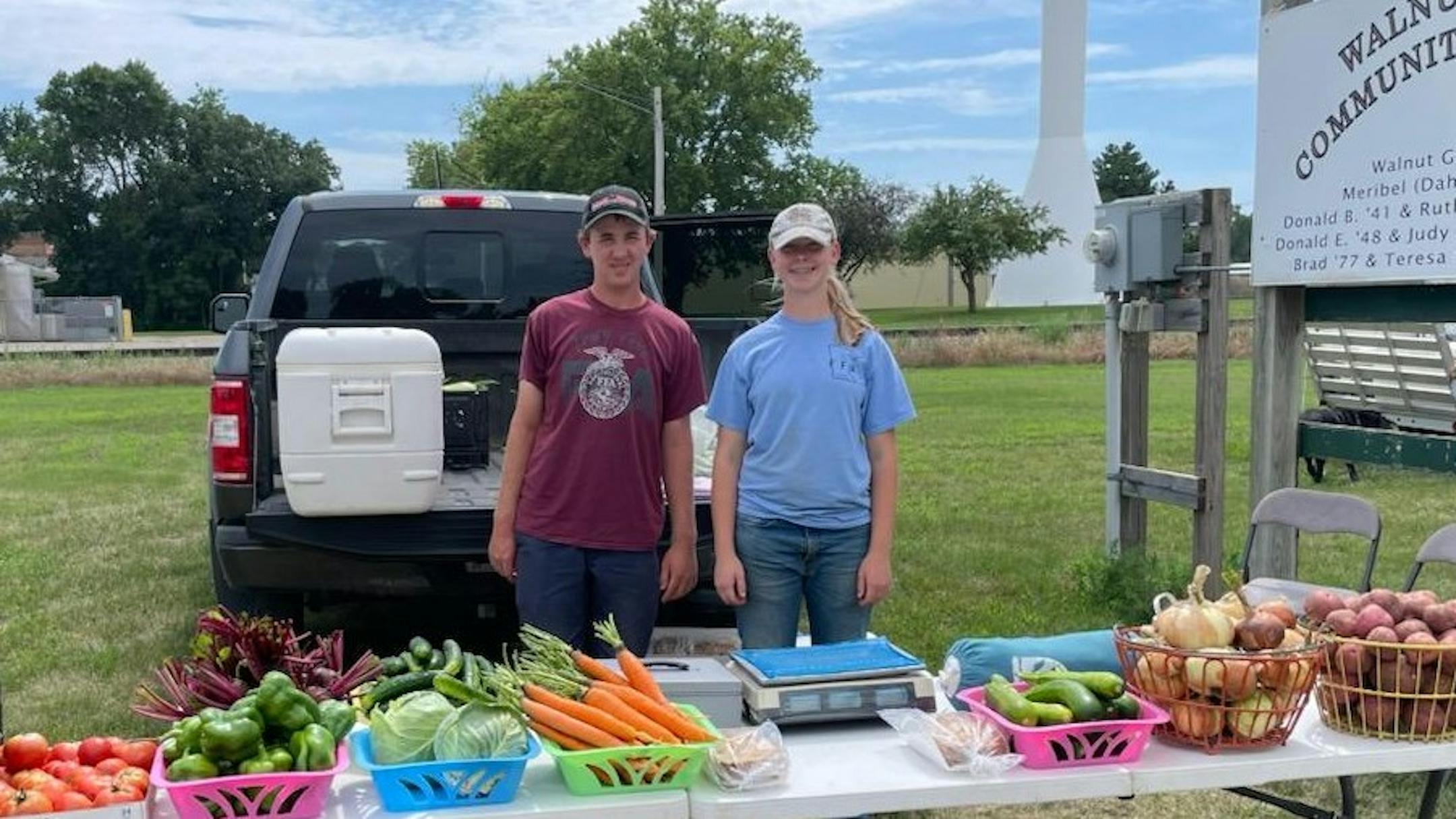
Siblings Zachery and Katelyn Ruppert each saved more than $50,000 for college, primarily through selling produce they grow in southwest Minnesota. (Provided)

I want to emphasize the amount of work involved in an enterprise like this. Anybody who gardens knows that an acre and a half is huge. The planting. The weeding. The harvesting. The Rupperts do not take summer vacations. They miss out on local summer concerts. Their springs, summers and autumns revolve around their farm, especially around growing veggies. They keep meticulous records. Their deliveries include a 100-year-old building where they have to navigate stairs while carrying watermelons.

“The work that is involved is staggering,” Kimberly Ruppert said.

That’s an issue, because now that their youngest daughter has started college, the Rupperts are getting out except for watermelons and cantaloupe. The 10 school districts need to find a new local source of produce.

“I don’t know what we’re going to do yet,” said Michelle Hawkinson, food service director for Tracy Area Public Schools. The Rupperts are their only local supplier of vegetables. “They’ve spent a lot of time and effort into it. And I’m not sure people want to do that.”

Farm to chool programs began in Minnesota more than a decade ago as a way to bring fresh food to school kids and provide markets for small growers. During the 2022-2023 school year, 72% of Minnesota schools bought food from local growers.

It takes a special sort of person to do the growing. Schools need a consistent supply of produce, and it needs to be varieties that kids will eat. No cucumbers with tough skins and big seeds, for instance.

But it takes a special person primarily because Minnesota farmers, with the short growing season here, are not paid enough to grow vegetables. Despite the intense labor, the Rupperts say the income from selling produce, at least in southwest Minnesota, would not support a family.

Doesn’t that give you pause? Someone who grows fresh, healthy food for thousands of kids every day says they can’t earn enough to support a family.

Still, the Rupperts say it was worth it for them. Over 18 years of working and investing, they were able to provide about $50,000 for each child to attend local colleges. Their children gained good job prospects, a good work ethic and solid gardening skills. The kids lived at home and started at tech school, and their books and tuition were all covered by their savings. Plus, their mom said they’ve gotten to know “such flippin’ awesome people.”

Still.

Our food system is out of whack, folks. The typical Minnesota farm doesn’t raise produce because it’s labor intensive and there’s not enough money in it. They can make much more growing crops like corn and soybeans that, by and large, don’t actually feed humans yet receive hundreds of millions of dollars in federal subsidies each year. If we want to eat locally grown fruit and veggies, we need to either pay more for them or shift more government subsidies to these small growers.

Because if this powerhouse of a farming family, which was named the Murray County Farm Family of the Year in 2021, cannot make a living wage from selling produce to 10 school districts plus farmers markets, why would anyone else expect to do better?

Granted, they don’t grow year-round. They start in mid-April and go through the fall. But with their long hours, they probably work as much in a year as a year-round employee.

Minnesota has vowed to expand the amount of food schools buy from local farmers in coming years.

But there are headwinds. The 2025 Congress cut funding for several Farm to School programs that helped schools buy equipment to process and store locally grown foods. And in a lean fiscal year, school budgets won’t be wearing their stretchy pants anytime soon.

Hawkinson isn’t sure yet how to provide fresh, local veggies for kids.

“I’m going to be hurting next year,” she said.

about the writer

about the writer

Karen Tolkkinen

Columnist

Karen Tolkkinen is a columnist for the Minnesota Star Tribune, focused on the issues and people of greater Minnesota.

See Moreicon

More from Greater Minnesota

See More
card image
card image