

The hero was once called a troublemaker, and far worse.
In the past few days, as the country has paid homage to the great John Lewis, that fact has been important to remember. It's the lens that focuses the praise.
It's what we needed to keep in mind as a horse-drawn carriage escorted Lewis' flag-draped casket over the Alabama bridge where half a century ago, during a voting rights march, a state trooper fractured his skull with a billy club.
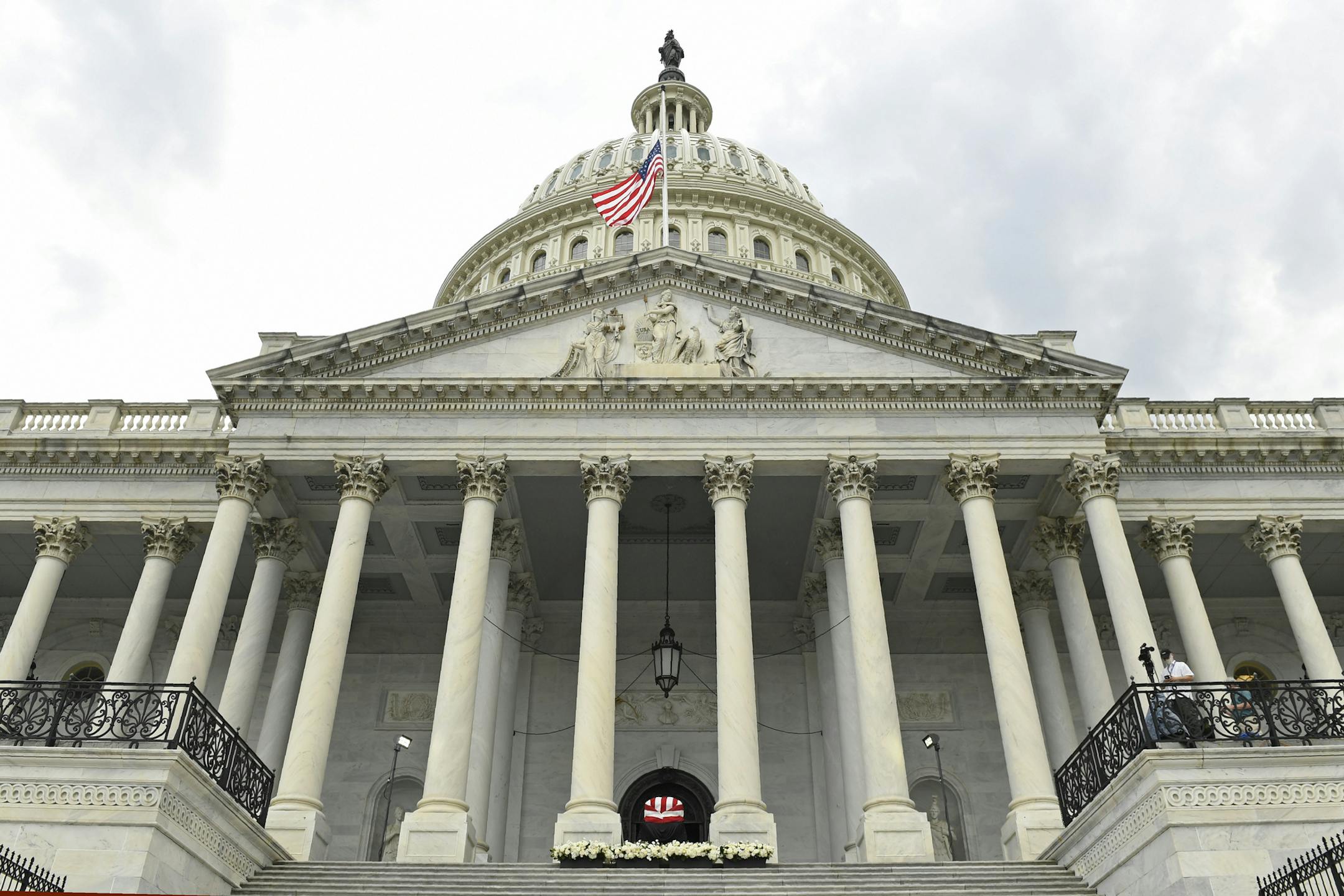
That fact gave greater meaning to the parade of thousands lined up in the swelter outside the U.S. Capitol, where this week Lewis' body lay in state in the rotunda, making him the first Black lawmaker ever honored in that way.
By the time of Lewis' death, on July 17, at the age of 80, many Americans of different political leanings hailed him as a hero, an icon, a legend. True and deserved words, but words so pretty they can make it hard to feel — truly feel — the ugliness he endured before he was widely called a great American.
Feel this: In his fight for civil rights, John Lewis was beaten bloody. Spit upon. Herded into jail. Over and over. Like the Black Americans whose rights he fought for, he was treated as less than a citizen. And not so long ago.
But eventually the times changed around Lewis, in part because of him. A Black man, the son of sharecroppers, born into the legally segregated South, he ascended into the political brawl in the United States Congress, though ascend may not be quite the right word.
Lewis, a representative from Georgia, never gave the aura of thinking that the marble halls of Congress elevated him above the streets and lunch counters where he once protested.


