

There are today fewer people living on the streets of the Twin Cities, as local governments have used funds from the Coronavirus Aid, Relief and Economic Security (CARES) Act to place many people in hotels and motels emptied during the pandemic.
While that strategy makes sense in the short term, it is financially unsustainable over the long term. Not only will CARES money eventually dry up and the demand for hotel rooms rise, but this remains one of the most expensive forms of emergency shelter imaginable.
Meanwhile, lower-cost and longer-term solutions to the challenge of homelessness continue to meet resistance within city and state governments, even among those who claim to want to solve this problem.
Settled, a local nonprofit organization that works with various faith groups to create "sacred settlements" for people experiencing homelessness, has encountered bureaucratic foot-dragging in the Twin Cities, which raises real concerns around the separation of church and state.
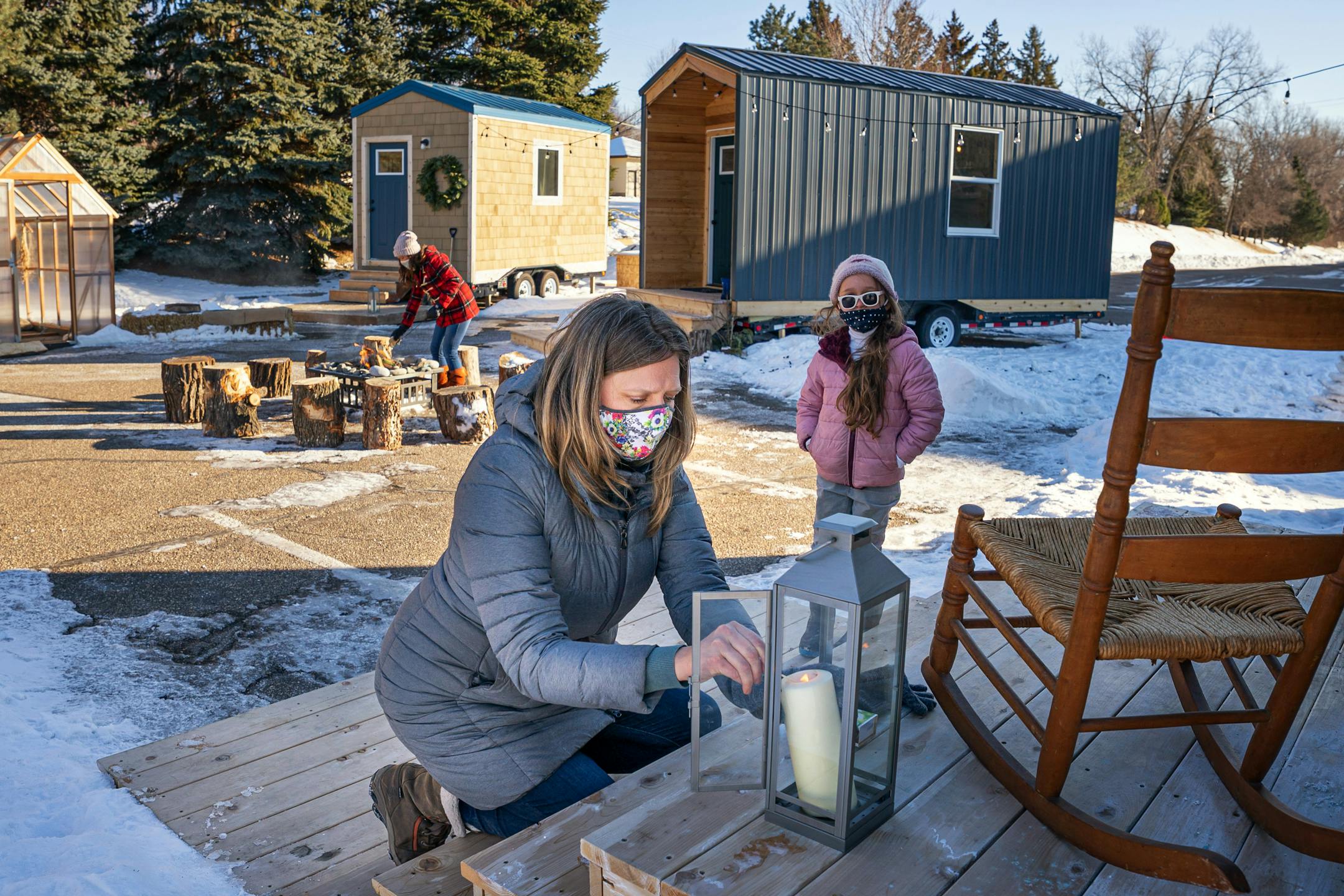
These sacred settlements will only be established on land owned by religious organizations, as with Mosaic Community Church in St. Paul, which hopes to host the first of these communities. Their settlement will consist of a small number of tiny homes built by local congregations for people who have experienced homelessness and for "missionals," who choose to live in the community to provide support and friendship to its residents and to ensure that their needs are met.
The residents will have 24/7 access to the main worship building, which will function as a common house with toilets, showers, and shared kitchen and dining facilities. Residents will sign a housing agreement and all are welcome to live in the community as long as they pay rent and abide by the community guidelines, with work opportunities as an option to offset a portion of their lease.
This offers an alternative to the "housing-first" approach of most housing agencies, under which the focus is on getting people into a unit, whether it fits a person's needs or not. The use of CARES funding to place unsheltered people in hotel rooms is an example of this.
But many people living on the streets do not lack merely shelter; they also lack family or friends, apart from those who share their situation. Putting people into shelters or hotel rooms, separated from their community, can worsen their problems by further isolating them.


