

Early last year, Andy Vander Woude, who runs a fledgling building-products concern in northeast Minneapolis named Vast Enterprises, sent a patio paver made of recycled tires and plastic to Mike LeJeune, who runs a huge manufacturer of precast concrete walls for commercial and government clients.
LeJeune, the veteran CEO of Fabcon of Savage, got folks from his research and engineering departments involved. A deal was struck.
"We could tell it was a fit," LeJeune said. "It would not surprise me if this were 5 or 10 percent of our business within a few years."
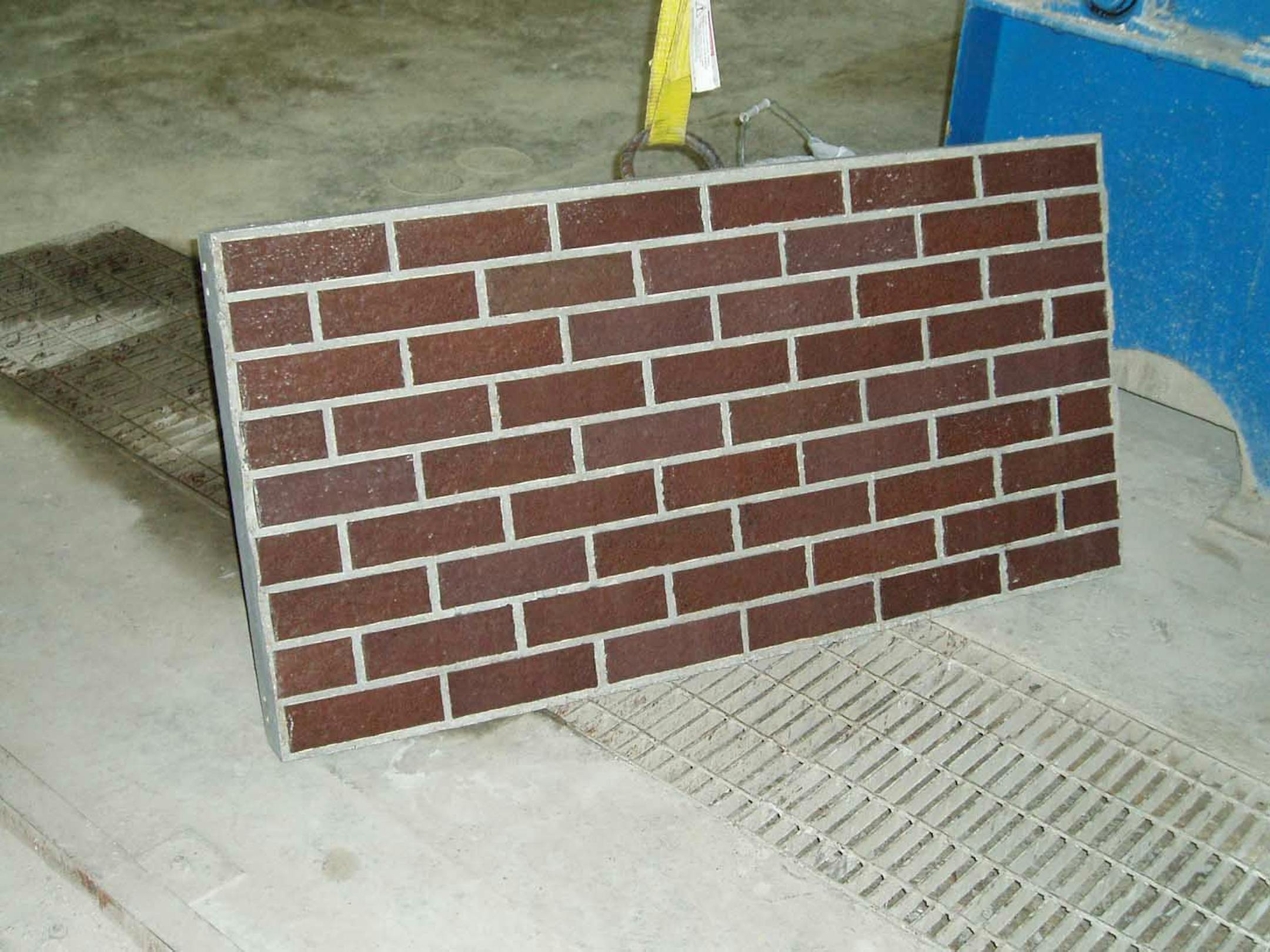
By spring, Vast will begin shipping its lightweight, thin bricks to Fabcon, which will cast them into concrete panels in place of the thin-clay bricks it commonly uses.
"The Vast product is lighter and greener than the thin-clay bricks we normally use at a time when customers are paying up for green," LeJeune said.
But in this application, there won't be any paying up. The Vast brick costs more, but it's lighter, easier to erect and requires no maintenance. Moreover, Fabcon already makes exterior and interior walls of 60 percent recycled content. The company, with sales of about $250 million, says customers increasingly want the most energy-efficient, greenest material they can afford.
"This is going to be a huge benefit to municipalities and other owners who want a brick look and a sophisticated finish," said Jim Houton, the sales and marketing executive at Fabcon. "These 'bricks' will be cast in concrete and you will never have to tuck-point. This will be significant eventually."
Target, Wal-Mart and other big Fabcon retail customers plan relatively fewer new stores in 2009. But surviving retailers and industrial users are going to take over and refurbish stores of failed competitors. And school districts and municipalities are expecting construction funds out of the pending economic stimulus legislation, all of which represents a Fabcon-Vast growth market.



