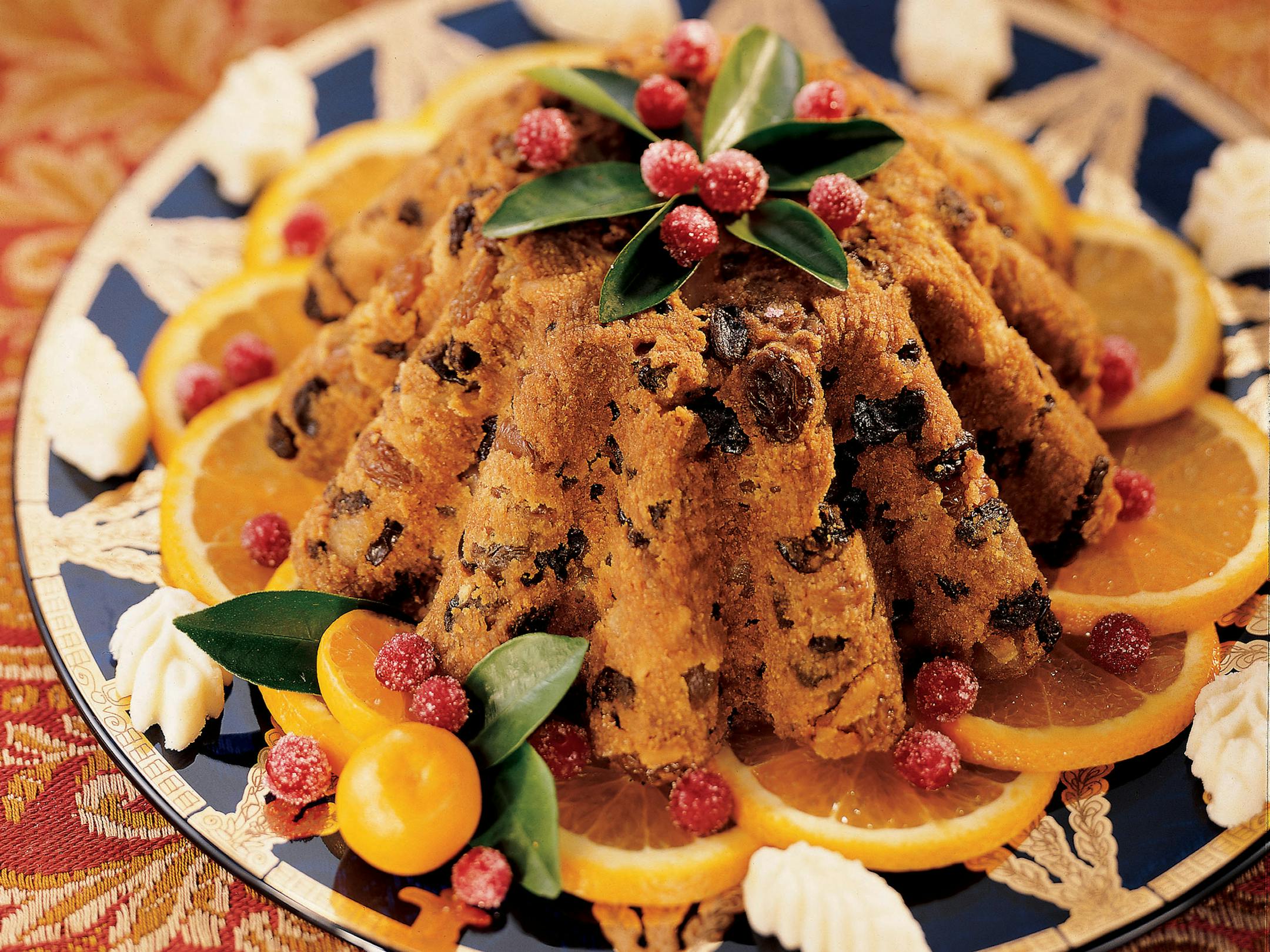
What's on your Christmas menu? Probably not sweetbread croquettes, deep sea salad or squirrel pot pie. But more than 100 years ago, these dishes might have been part of any home cook's holiday repertoire.
Recipes like these offer a window into early-20th-century homes, thanks to a 1904 copy of the Gold Medal Flour cookbook, Christmas edition. This slim volume is one of the treasures in the archive at General Mills headquarters in Golden Valley, and, for the lucky few, a prized find at estate sales or on resale sites like eBay.
Geared toward the American housewife as an advertising tool for the Minneapolis-based Washburn Crosby Company's Gold Medal Flour, the cookbook cost just 10 cents in stamps. Many recipes call for Gold Medal flour, and there's even an essay on the virtues of white bread.
But the cookbook goes well beyond branded baking by including a wide selection of recipes with regional and international influences. Baltimore, South Carolina, Egypt and Norway are credited in recipes for meat pie, fried rice, chicken and fish pudding, respectively. And while some recipes cater to the most celebratory meals, like a roast goose for Christmas, they also reveal the nitty-gritty behind getting such food on the table.
"Drawing a fowl for roasting," for example, and removing the organs carefully by hand, is "a process too often both tedious and disgusting," according to a section on cleaning poultry.
Culinary history lesson
Studying this cookbook today can clue us in to how our ancestors cooked and ate, while inspiring a new generation to go back to the basics in the kitchen.
"There's something really interesting about being able to time travel through these recipes and maybe have a little more understanding of how cooking has changed over time," said Natasha Bruns. As corporate archivist for General Mills, she handles the company's historical collections, including cookbooks. "What people were doing in the kitchen has vastly changed."
For one thing, homes didn't have electric stoves, and cooking over coal or wood had its own challenges.