

Opinion editor's note: Star Tribune Opinion publishes a mix of national and local commentaries online and in print each day. To contribute, click here.
•••
From the first snacks on Thanksgiving morning through the New Year's Eve spreads until the last leftovers of Super Bowl Sunday, gaining weight is a nagging concern for everybody during the holiday season. Obesity has become a major scourge in America, but new medications are now available, and although many questions remain, these drugs may revolutionize the treatment of obesity.
More than 40% of all American adults are obese, and nearly 10% are considered severely obese, National Institutes of Health data indicates. Because it increases the risk of heart disease, lung disease, cancer and diabetes, obesity is currently the most serious health hazard the country faces, as well as a major risk factor in those who die from COVID-19.
What causes people to get fat? For many years, doctors adhered to a simple equation: If you eat more calories than you burn, you will put on weight. While this is true, it's an oversimplification because calories are not all the same: Foods of equal caloric value have different effects on suppressing appetite and hormone release. Gaining weight is dependent on many factors including genes, hormones, metabolism and even personal gut bacteria. Some people develop a "set point," with their weight remaining in a narrow range so that they can eat prodigiously and gain little weight, whereas others will not lose weight even on a scrupulous diet. Greater portions in restaurants and fast-food emporia, ubiquitous food advertising and sedentary lifestyles also have driven the national rise in obesity.
Throughout most of the last century, the treatment of obesity consisted of low-calorie diets, greater activity and counseling. Various diets were often effective at the outset, but many patients regained weight later. Counseling that involved "fat-shaming" often had a counterproductive effect — chastising patients caused them to eat more. Several types of surgeries have proved reasonably safe and effective, but they are invasive and not always reversible, and they represent a major commitment by the patient. There has always been a demand for drug treatment for obesity.
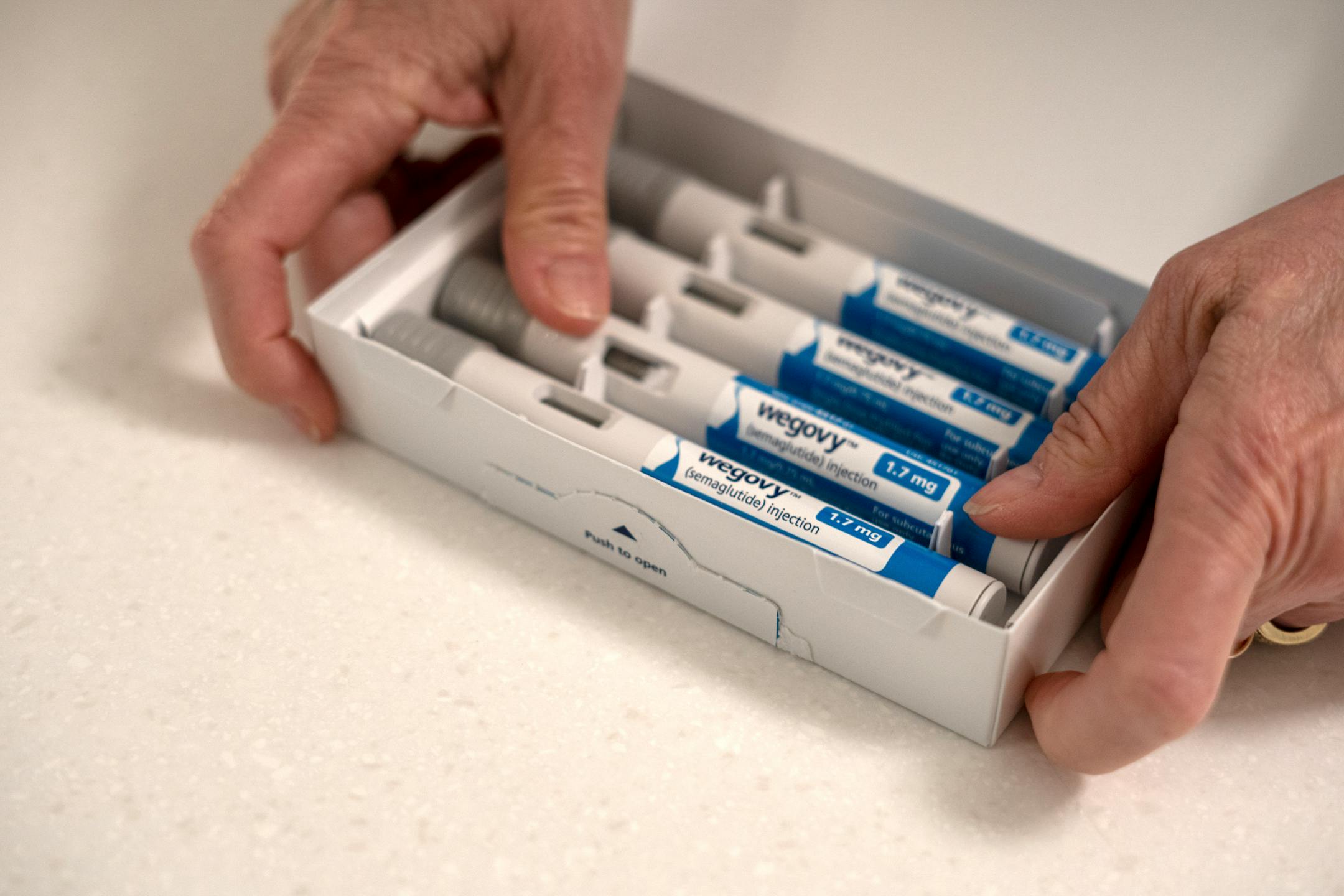
In the past 10 years, new medications have arrived on the market, including six approved by the U.S. Food and Drug Administration. The newer drugs stimulate hormones that trigger insulin release and readjust fat storage. Currently, the most popular is semaglutide, known by the brand names Ozempic and Wegovy. The drug is a once-a-week self-administered injection with minor differences in doses between the two brands, because Wegovy is designed as a weight loss drug while Ozempic was originally a diabetes medication that has been shown to cause weight loss. The most recently FDA-approved weight loss drug is also an injectable, tirzepatide, which has a similar but slightly different mechanism of action.
Studies have consistently demonstrated that these drugs are extremely effective in causing weight loss. Besides their hormonal effects, they suppress appetite and delay absorption of food. People who take these medicines for a year cut their caloric intake and lose roughly 15% of their body weight. Reports suggest that patients also reduce their intake of sugary carbonated drinks and alcohol. A recent study in the New England Journal of Medicine found an added benefit to some of these weight loss drugs: an impressive reduction in heart attacks, strokes and cardiac deaths in obese patients with heart disease.


