

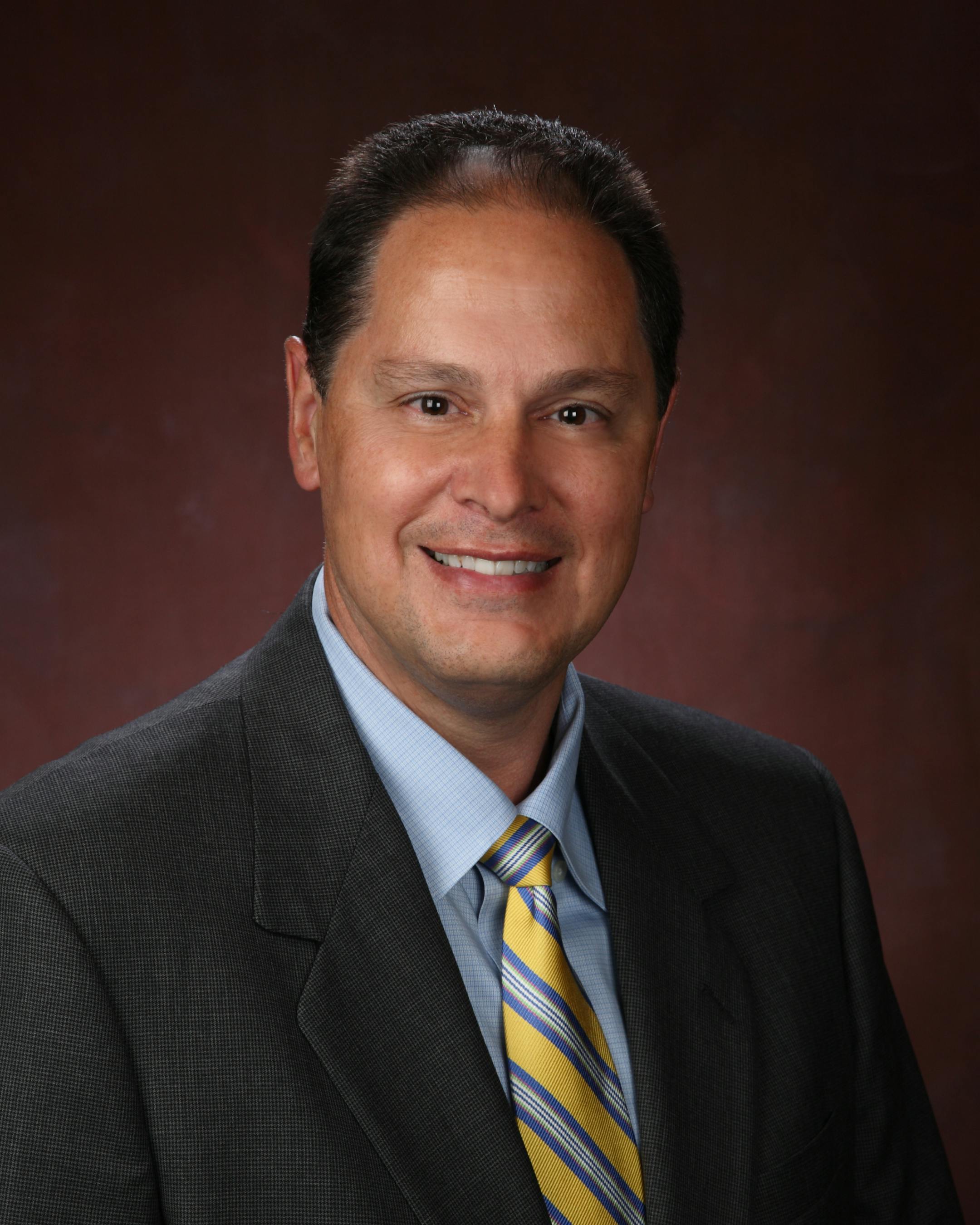
Brad Hewitt, a six-year Thrivent Financial for Lutherans executive, will succeed retiring CEO Bruce Nicholson on Feb. 1, the company announced Wednesday.
Nicholson, 62, signaled in an interview last summer that Hewitt, 49, his chief operating officer and protégé, was his choice.
On Wednesday, Kurt Senske, the vice chair of the board who will succeed Nicholson as chairman, said the board conducted an "extensive selection process" and concluded that Hewitt was the right person to run a financial services concern that has grown to be one of the nation's 25 largest life insurers and asset managers while avoiding the scandal and internal turmoil that has rocked the giants of the industry over the past decade.
"I describe our business as a really cool 'social enterprise' started by our great-grandparents," Hewitt said in an interview Wednesday morning. "We are built around keeping promises we make to our members, our customers and our communities. Our economic engine is dedicated to helping people."
Hewitt joined the organization in 2003 as senior vice president of fraternal operations and also served as president of the Thrivent Financial for Lutherans Foundation. In November 2008 he was promoted to chief operating officer. Hewitt began his career in 1982 with Minnesota Mutual Life and worked for United HealthCare Corp. as director of underwriting before becoming chief financial officer in 1993 and then president and CEO of Diversified Pharmaceutical Services. From 1998-2003, Hewitt was chief administrative officer of the Lutheran Church-Missouri Synod in St. Louis, Mo.
Thrivent, with about 2.6 million customers for its financial services and products, is a "mutual" organization, owned by Lutheran-affiliated members. It also is the rare "fraternal benefits" organization, charged by charter and law with donating at least an amount equivalent to what would be its corporate income taxes to the community through its members and Lutheran congregations.
In 2008 Thrivent lost $315 million due largely to investment losses, on revenue of $6.4 billion and still donated $300 million because it has ample reserves.
Senske indicated that Thrivent returned to solid profitability in 2009. Results will be announced in February.



