

A confession: I laughed my way through Thomas Pynchon’s flashy, vertiginous “Shadow Ticket,” much as I did when I first read “Vineland” in 1990.
As the 88-year-old nears his 90th birthday, he’s still got his finger on the pulse of our body politic, its comic hijinks, its stabs of paranoia, slangy rhythms and casual cruelties (his “Vineland” is the inspiration for current Leonard DiCaprio movie “One Battle After Another”). The novel’s an interrogation of America on the ropes — this is Pynchon, after all — yet it swings with a verve worthy of the Lindy Hop.
Milwaukee, 1932: “German storm kiddies” jostle with “Bolsheviks,” Prohibition has ushered in speakeasies while mafia kingpins order hits and bowling alleys are the new public square. Hicks McTaggart, a hulk of a man and a former strike buster, now works as a low-level private investigator, more muscle than macher. An opportunity for promotion drops into his lap: Daphne Airmont, a rebellious cheese heiress, has gone missing, and Hicks’ boss assigns him the task of finding her.
Pynchon indulges in bits of backstory before Hicks embarks on his mission, though, spinning his characters in and out like partners on a crowded dance floor: Hicks’ flinty Aunt Peony and right-wing Uncle Lefty, who raised him; the telepathic Thessalie, a Midwestern Delphic oracle; Skeet, a wannabe detective; April, a club singer and occasional bedmate (possibly soulmate?), who loves to cut a rug.
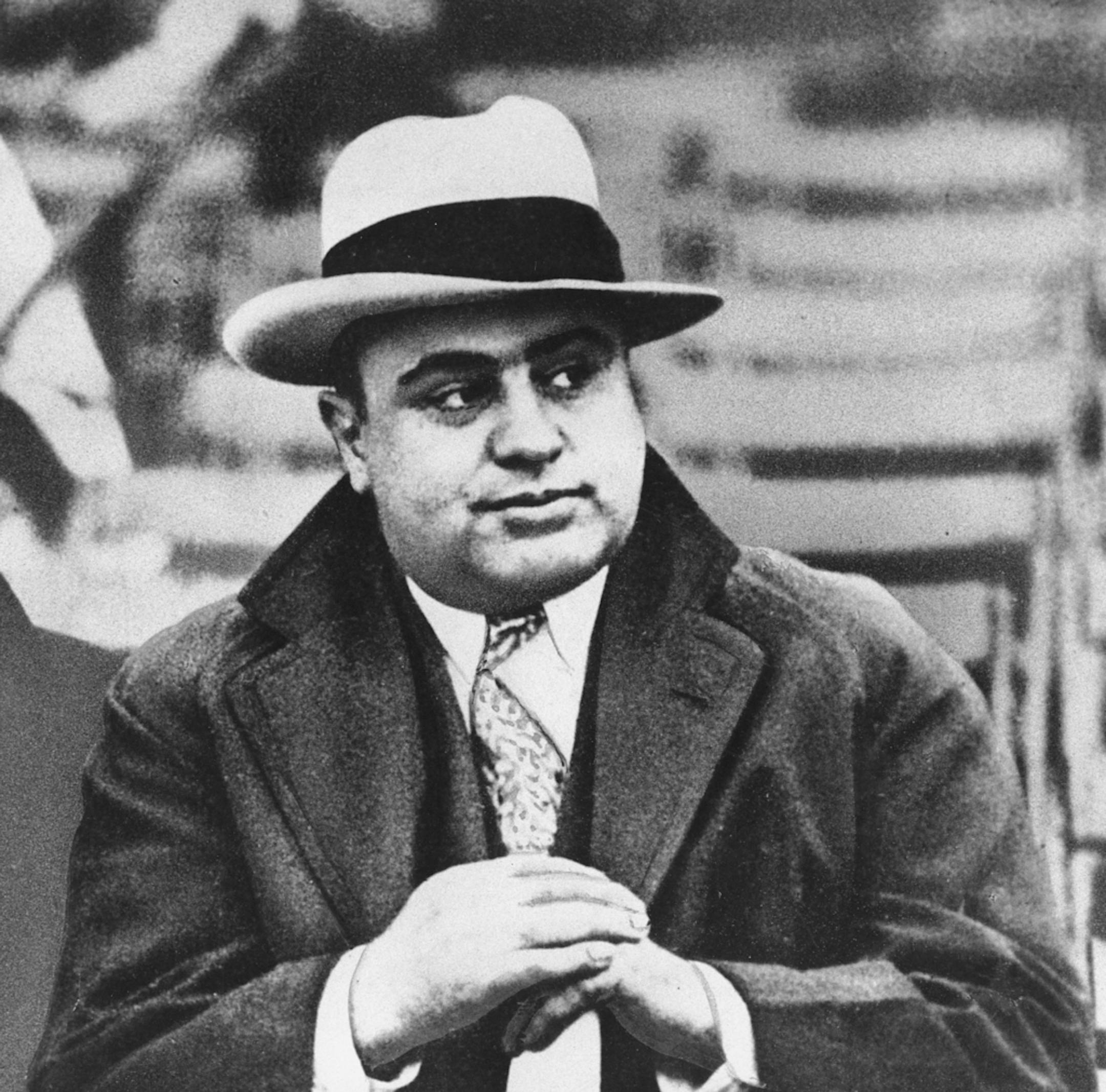
There’s also a sprawling cast of hyphenated Wisconsinites, mostly German- and Italian-, tossing off racial slurs. Machine guns flourish in the age of Al Capone. A pair of Christmas elves try to blow up Hicks with a gift-wrapped bomb. An Austro-Hungarian submarine cruises beneath the ice of Lake Michigan. Did I mention a robot?
Something big’s going down, larger than Daphne’s disappearance. Everyone seems in on it except the gumshoe; even the police can’t be trusted. At Milwaukee’s courthouse, “the correct elements are in place, steno girls carrying steno pads, gossiping around the bubbler, bells and clatters from the typing pool, updates thumping in and whizzing out by pneumatic tubes,” the author writes, “everybody looking like actors in a show.”
Hicks travels to New York, abruptly landing on a ship bound for Europe. Once on the continent, he chases his quarry from country to country, sidestepping Nazis, Communists, Brits and other unsavory types. His dancing talent may yet save him.
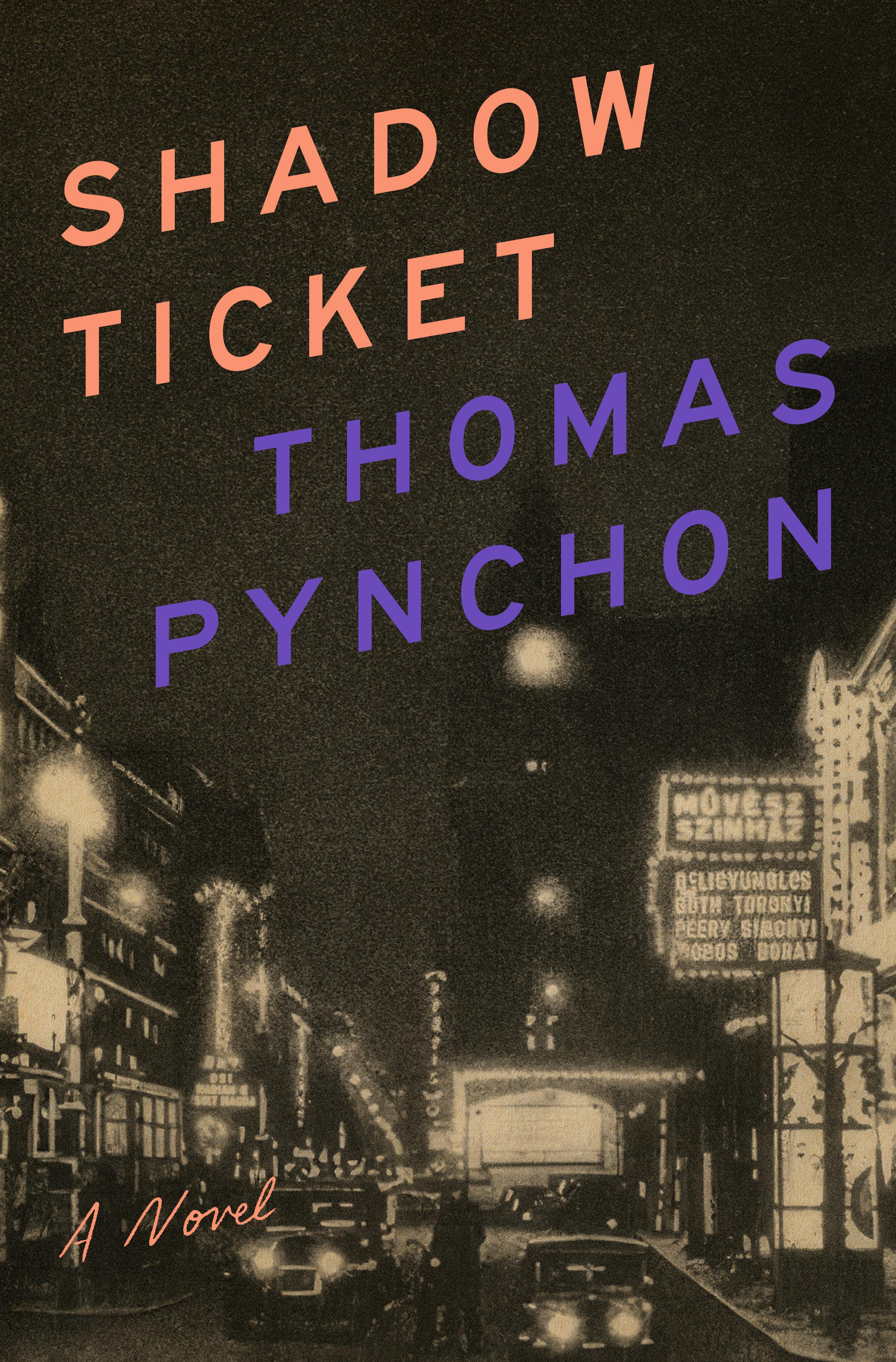
No writer fillets a sentence like Pynchon, scattering fragments and flashbacks like so many fine fish bones. He cuts across timelines, dialing up the absurdity. “Shadow Ticket” is not just a trippy picaresque; Pynchon revisits themes familiar from his “Mason & Dixon” and “Gravity’s Rainbow,” reminding us that our nation was founded on conspiracies as well as compromises. Irony and fascism are as American as Uncle Lefty’s casserole. Wisconsin, it turns out, has “more varieties of social thought than Heinz has pickles.”


