

Leon Trotsky once supposedly observed, "You may not be interested in war, but war is interested in you." To President Joe Biden I'd say today, "You may not be interested in Middle East peacemaking, but Middle East peacemaking is interested in you."
Here's why: All three key players in the Israeli-Palestinian conflict have been dealt some huge painful shocks over the past year. They know, deep down, that another round of fighting like the one we saw in the past two weeks could unleash disastrous consequences for each of them. Henry Kissinger forged the first real peace breakthrough between Israelis and Arabs after they were all reeling, vulnerable and in pain as a result of the 1973 War. They each knew that something had to change.
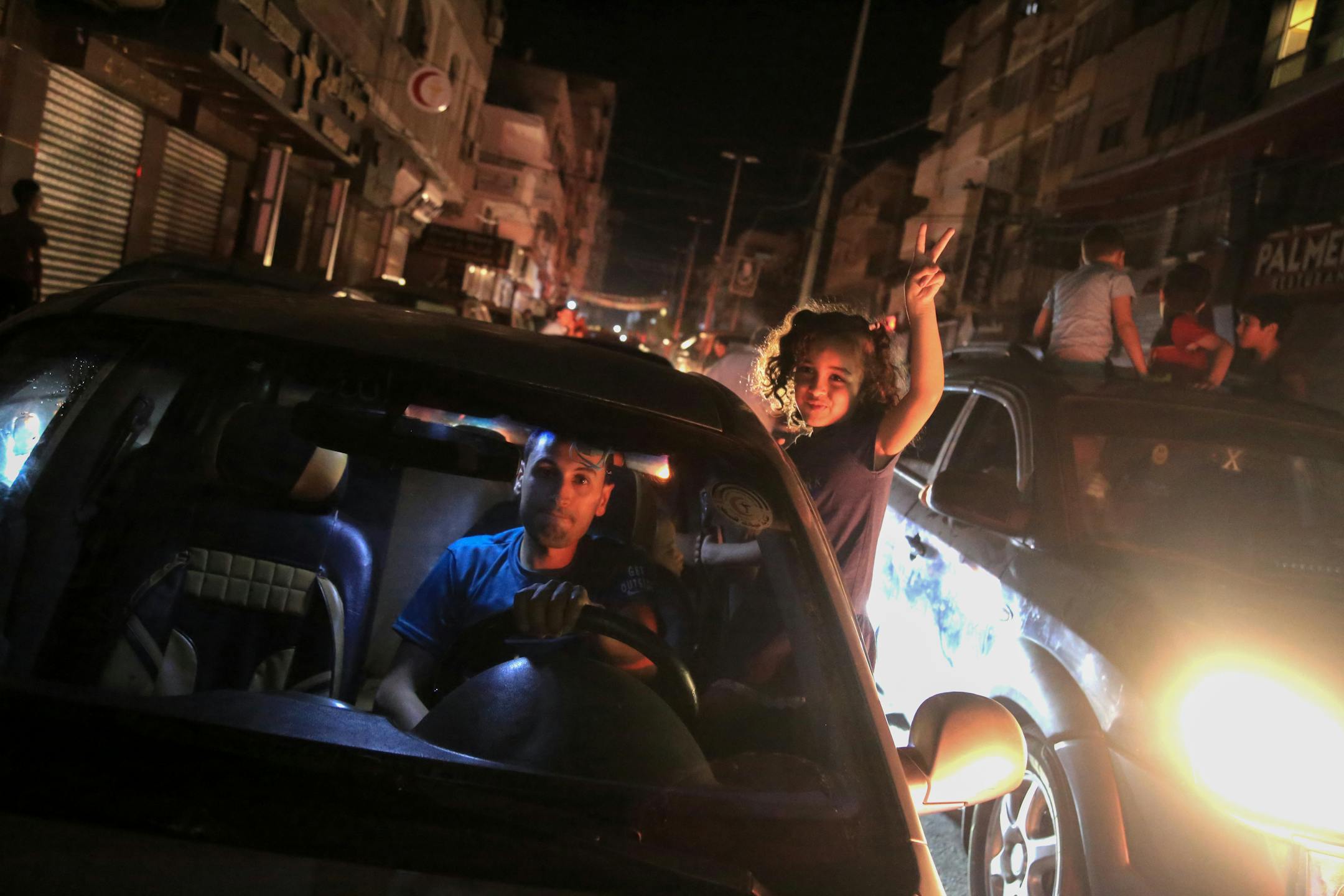
Today, if you look and listen closely, you can sense a similar moment shaping up in the wake of the latest Hamas-Israel war.
The Palestinian Authority in the West Bank, led by Abu Mazen, was dealt a significant blow when President Donald Trump last year managed to get the United Arab Emirates, Bahrain, Morocco and Sudan to each normalize relations with Israel — without waiting for a Palestinian-Israeli peace deal. The message to the West Bank Palestinian leadership was crystal clear: You are utterly messed up, corrupt and ineffectual, and we Arab states are no longer going to let you have a veto over our relations with Israel. Have a nice life.
And by the way, despite Israel's relentless pounding of Hamas in Gaza, none of those four states renounced their normalization with Israel.
But Israel also got a shock: It was surprised that Hamas chose to fire rockets at Jerusalem — in effect inviting this war. It was surprised by some of the long-range rockets that Hamas was able to build in its underground factories and deploy and keep deploying — despite heavy blows by the Israeli air force.
But most of all, Israel was stunned by this fact: Hamas, by its actions, was able to embroil Israel into a simultaneous five-front conflict with different Arab populations. That was scary.
On several days last week, Israel found its military and police confronting violent Palestinian protesters in the West Bank; enraged East Jerusalem Palestinians on the Temple Mount; rockets fired, most likely by Palestinian militants, from southern Lebanon; rockets fired by Hamas from Gaza; and, most dangerously, mob violence in mixed Israeli towns between Israeli Arabs and Israeli Jews.


