

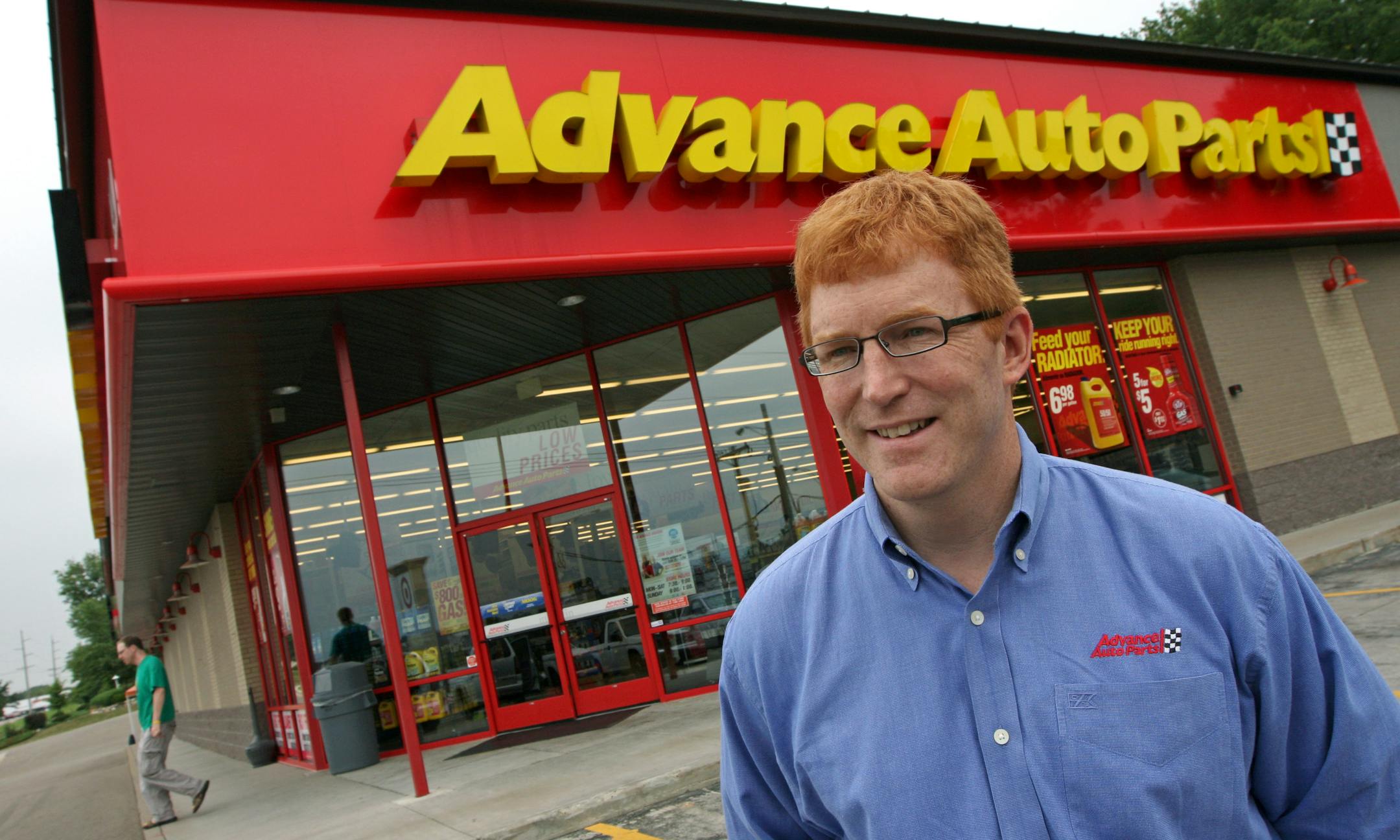
There's been some hand-wringing in Roanoke, Va., ever since Darren Jackson took over as CEO of Advance Auto Parts in January.
First, Jackson, a former executive at Richfield-based Best Buy Co. Inc., decided not to run the auto parts retailer from its Roanoke headquarters.
Instead, he stayed in the Twin Cities, where he had a home and kids in school, and began making plans to set up a regional center as he staged what he called a "turnaround and transformation" of the nation's second-largest auto parts chain.
In short order, he hired three senior executives who, like him, once worked at Best Buy, owned homes in the metro area and wanted to stay put.
Then, last month, Jackson announced that plans for the regional center had tripled, from the 20 to 30 jobs he originally proposed. The center, which likely will be in Bloomington, will employ 100 workers in merchandising and operations -- with 40 of the jobs coming from Roanoke.
As cities and towns fight to bring employers to their districts -- particularly ones that might expand in the current tight economy -- the Advance Auto Parts case illustrates the simpler side of economic development tug-of-wars: Sometimes it's about what the boss wants.
In the world of out-of-state executives, Advance Auto Parts is certainly not alone, and sometimes Twin Cities companies have been in Roanoke's shoes. Ameriprise executives, including CEO Jim Cracchiolo, live or operate much of the time out of New York City, as does Jay Fishman, CEO of St. Paul-based Travelers. Former Lenox CEO Susan Engle kept two homes, one in Minneapolis, the other on the East Coast.
"I've seen a clear trend for companies to accommodate top talent through the kind of new work arrangements that once were unheard of," said Mark Kizilos, a former talent manager at Thomson Reuters and current assistant dean of executive education at the Carlson School of Management at the University of Minnesota.


