

Opinion editor's note: Star Tribune Opinion publishes a mix of national and local commentaries online and in print each day. To contribute, click here.
•••
The criminal indictment of former president and current presidential candidate Donald Trump is historic and unprecedented. It stands for the principle that, in the United States, no one is above the law.
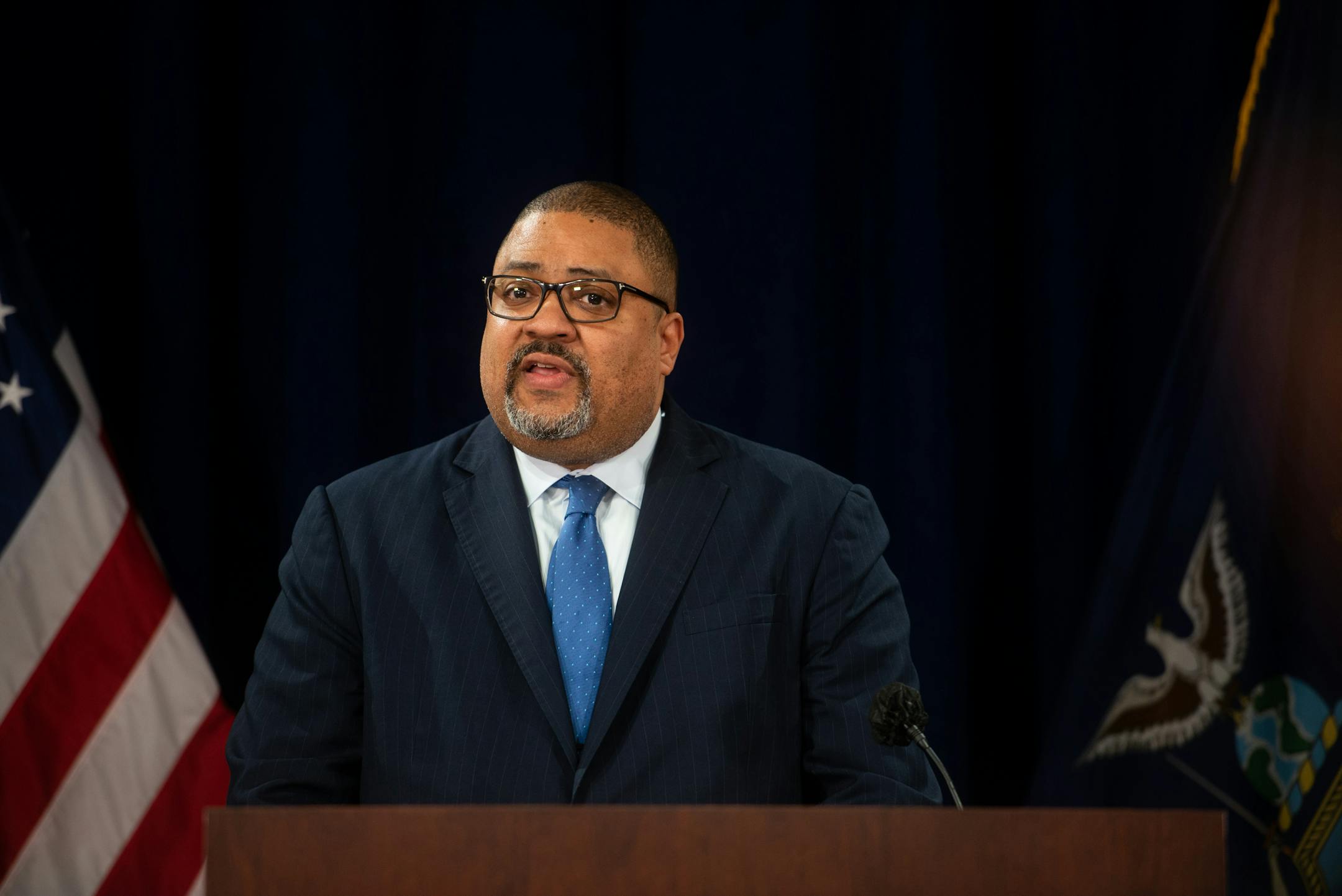
At the same time, from the perspective of protecting U.S. democracy, the indictment is poorly timed. It would have been far better for the stability of our democracy if Trump had first been charged with crimes connected to his attempts to subvert that democracy by pressuring Georgia election officials to find more votes, not to mention interfering with the transfer of power on and around Jan. 6, 2021. If prosecutors in different jurisdictions consider it improper to confer with each other on timing, then Manhattan District Attorney Alvin Bragg should have waited for others to move first.
The relatively minor charges brought by the Manhattan district attorney regarding Trump's alleged hush money payments to cover up extramarital sexual encounters do not target the core of Trump's challenge to our democratic constitutional system. As a practical matter, they may even make it more difficult to prosecute him for more serious crimes.
The core of the indictment's 34 felony charges against Trump relate to recording hush-money payments made via his attorney Michael Cohen as "legal fees." Under New York state law, if you falsify your own business records, that's a misdemeanor, a minor crime. To make it a felony, the government needs to prove that the falsification of the record was intended to commit and hide another crime. The indictment doesn't say specifically what that other crime was. But the DA's statement of facts seems to indicate that it was violating election law by hiding what was, in effect, a contribution to his campaign.
The first thing that makes those charges legally weak is that Trump can defend himself by saying he ordered the hush money recorded as legal expenses to avoid upsetting his wife, not to conceal the way the payments helped his campaign. That might sound like a shaky defense, especially because prosecutors can say that Trump's efforts to delay payment until after the 2016 election prove it was about the campaign, not his marriage.
But it wouldn't take 12 jurors to believe it. If even one juror believes it, then the jury would hang and a conviction would not be possible. Because it is vanishingly unlikely that the district attorney would attempt to retry Trump, the resulting mistrial would be almost as great a victory as would be an acquittal.


