This medical supercomputer isn't a pacemaker, IBM tells Congress

IBM, hoping to avoid clinical trials before use in diagnosing diseases, says it's not

Bloomberg News
January 30, 2015 at 3:31AM
Stephen Gold, vice president of Watson Group business for International Business Machines Corp. (IBM), speaks during an event at the IBM Watson headquarters in New York, U.S., on Tuesday, Oct. 7, 2014. To help commercialize the technology famous for beating humans on the "Jeopardy!" game show, new languages such as Portuguese and Japanese are being added to the Watson service this year, said Gold. Photographer: Michael Nagle/Bloomberg *** Local Caption *** Stephen Gold ORG XMIT: 517515023
Stephen Gold, vice president of Watson Group business for IBM. The company is trying to persuade Congress that Watson is not similar to a pacemaker. (The Minnesota Star Tribune)

WASHINGTON – Watson, an artificial intelligence technology that IBM Corp. wants to sell to help doctors diagnose diseases, will largely escape the oversight of U.S. regulators if the computer giant wins a two-year Washington lobbying push.

IBM's argument to Congress is that its supercomputer, famed for victory on quiz show "Jeopardy," isn't a medical device like a cardiac pacemaker and shouldn't need lengthy clinical trials to prove it's safe and effective. A draft bill released Tuesday backs that position, and could speed the use of Watson and other so-called decision support technologies.

The artificial intelligence technology already has medical fans. Eric Topol, a genomics professor at the Scripps Research Institute, has used Watson to find research subjects who have serious conditions never before identified. When Watson diagnoses someone — like it did with a patient with plastic lung, a rare condition that restricts airflow — Topol can scratch them off his list of candidates.

"We're enamored with it," Topol said. "No human being can read 5 billion pages of medical literature in two seconds." Since doctors ultimately make a final diagnosis, Topol said, there's not the need for regulation like traditional devices used to treat patients.

Arthur Caplan, founding director of the Division of Medical Ethics at New York University Langone Medical Center's Department of Population Health, disagrees. Caplan thinks the technologies should be regulated the same as medical devices, including going through clinical trials.

"You don't want to get seduced into thinking we've solved every problem," Caplan said.

The effort to protect decision support tools like Watson from Food and Drug Administration regulation is part of a proposal by the Republican chairman of the House Energy and Commerce Committee, Michigan's Fred Upton. Called the 21st Century Cures initiative, it's a major overhaul in the pharmaceutical and medical-device world, and the possibility of its passage is boosted by Republican control of both chambers of Congress.

Upton's bill would give the FDA two years to come up with a verification process for what it calls "medical software." Such programs wouldn't require the strict approval process faced by makers of medical devices like heart stents. Another set of products defined as "health software" wouldn't require FDA oversight at all.
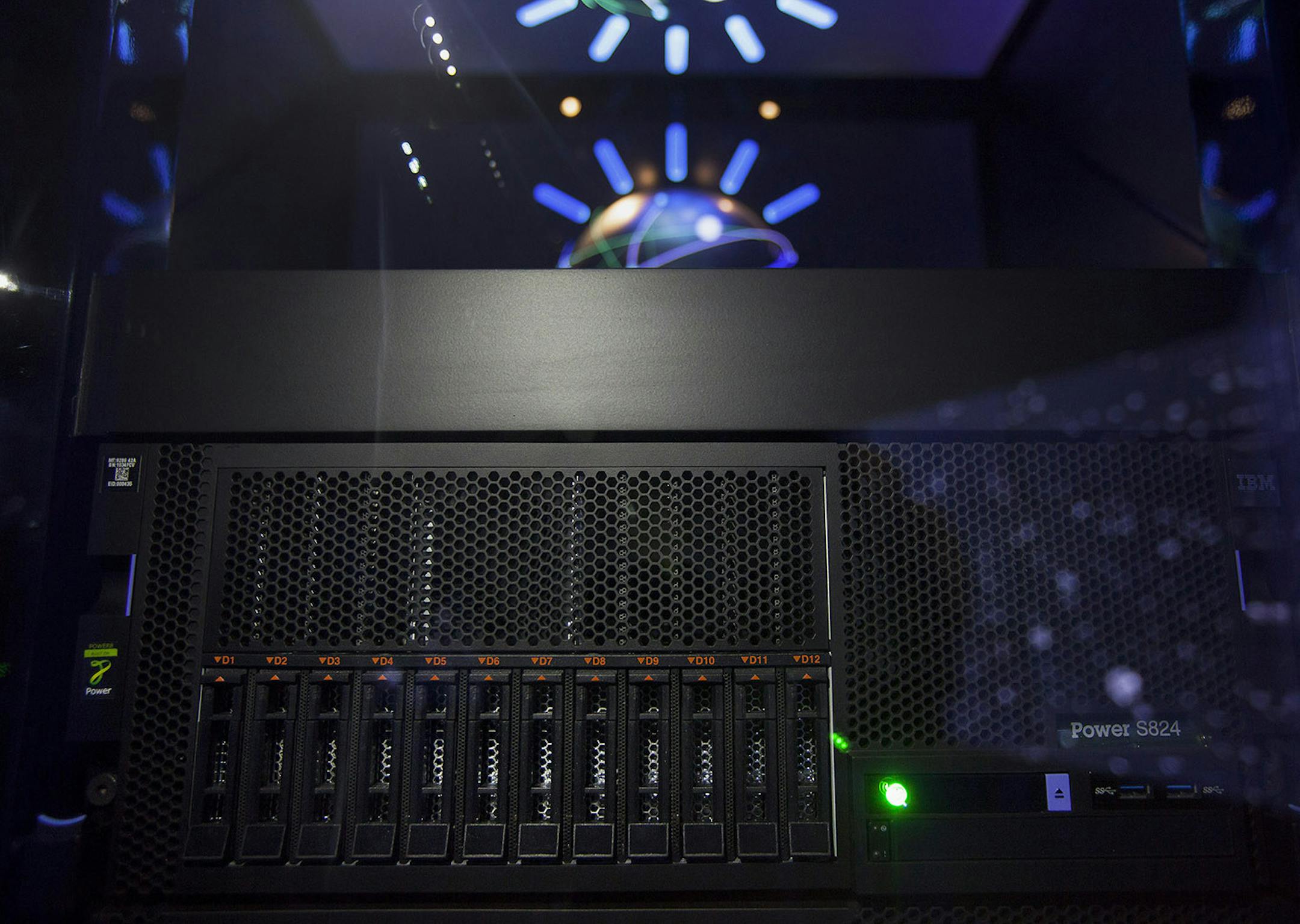
Watson lets users ask questions using plain English, then mines their data to come up with answers. Health insurers have tested it to determine coverage for medical procedures, and physicians at Memorial Sloan Kettering Cancer Center have tried using it to help find the best treatments.

Under Upton's bill, clinical decision support tools like Watson would fall under "health software" and be exempt from regulation, said Janet Marchibroda, executive director of the CEO Council on Health and Innovation at the Bipartisan Policy Center, a Washington-based organization that released a recommended framework in 2013 for health information technology. Marchibroda is a former IBM employee.


International Business Machines Corp.'s (IBM) Watson is seen in the immersion room during an event at the company's headquarters in New York, U.S., on Tuesday, Oct. 7, 2014. To help commercialize the technology famous for beating humans on the "Jeopardy!" game show, new languages such as Portuguese and Japanese are being added to the Watson service this year, said Stephen Gold, vice president of the Watson Group business. Photographer: Michael Nagle/Bloomberg ORG XMIT: 517515023
IBM’sWatson lets users ask questions using plain English, then mines their data to come up with answers. (The Minnesota Star Tribune)
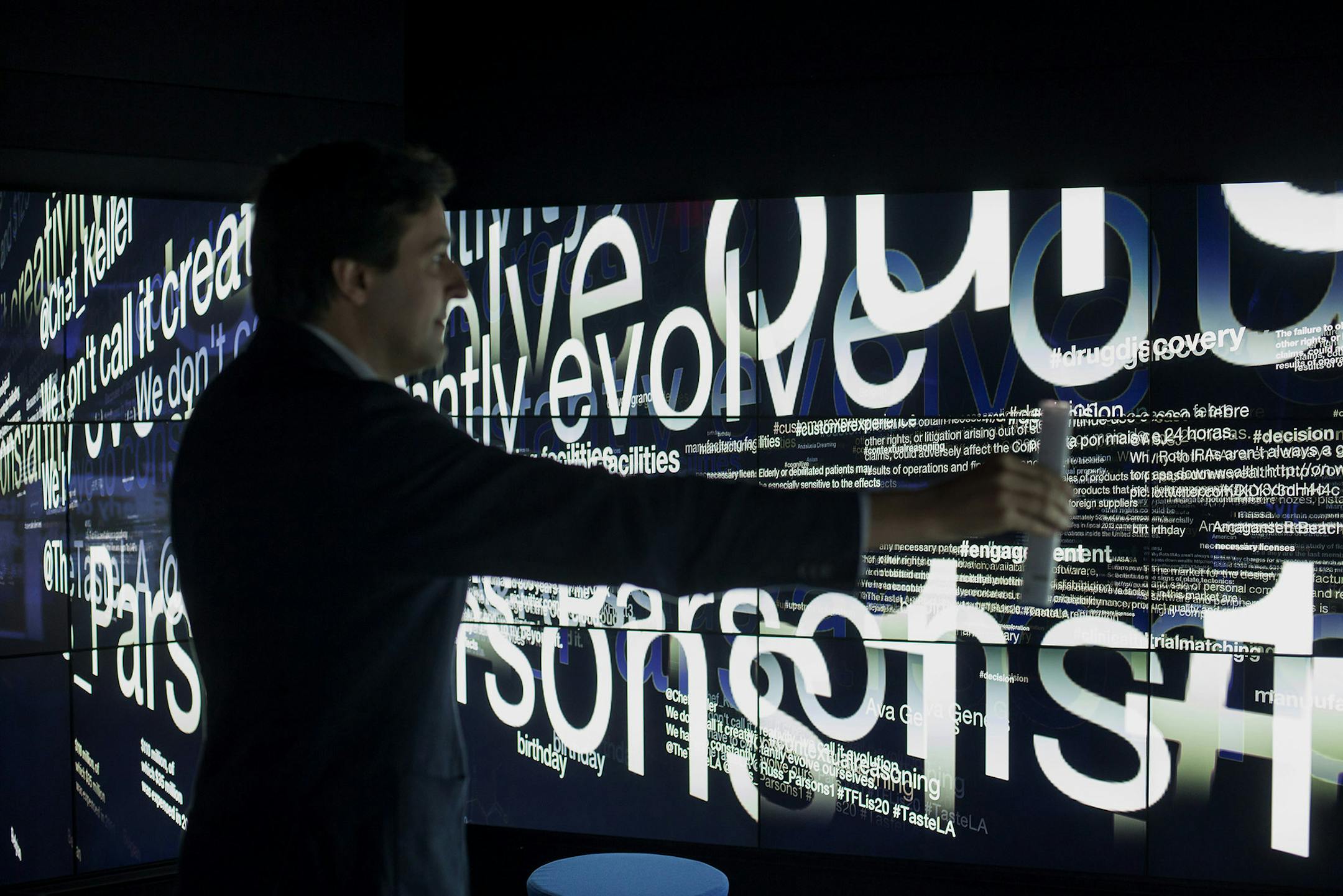
Dario Gil, director of symbiotic cognitive systems at IBM Research, holds a remote control wand while giving a demonstration of the International Business Machines Corp. (IBM) Watson immersion room during an event at the company's headquarters in New York, U.S., on Tuesday, Oct. 7, 2014. To help commercialize the technology famous for beating humans on the "Jeopardy!" game show, new languages such as Portuguese and Japanese are being added to the Watson service this year, said Stephen Gold, vice
Dario Gil, director of symbiotic cognitive systems at IBM Research, holds a remote control wand while giving a demonstration of the International Business Machines Corp. (IBM) Watson immersion room during an event at the company's headquarters in New York, U.S., on Tuesday, Oct. 7, 2014. To help commercialize the technology famous for beating humans on the "Jeopardy!" game show, new languages such as Portuguese and Japanese are being added to the Watson service this year, said Stephen Gold, vice president of the Watson Group business. Photographer: Michael Nagle/Bloomberg *** Local Caption *** Dario Gil ORG XMIT: 517515023 (The Minnesota Star Tribune)
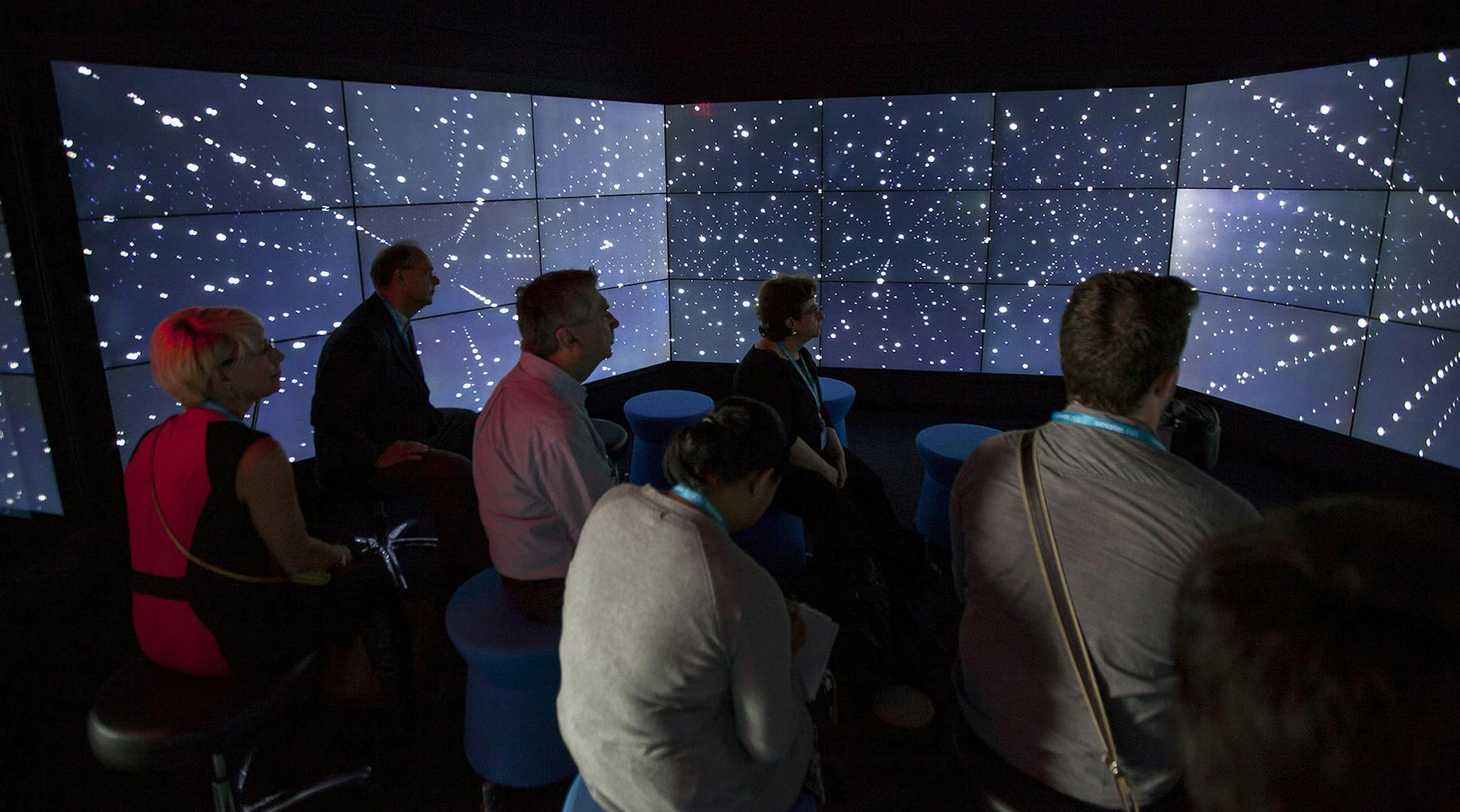
Attendees tour the International Business Machines Corp. (IBM) Watson immersion room during an event at the company's headquarters in New York, U.S., on Tuesday, Oct. 7, 2014. To help commercialize the technology famous for beating humans on the "Jeopardy!" game show, new languages such as Portuguese and Japanese are being added to the Watson service this year, said Stephen Gold, vice president of the Watson Group business. Photographer: Michael Nagle/Bloomberg ORG XMIT: 517515023
Attendees toured the IBM Watson “immersion room” at the company’s headquarters in New York. (The Minnesota Star Tribune)
about the writer

about the writer

Anna Edney

More from Business

See More
card image
Spencer Platt

The U.S. stock market roared back on Friday, as technology stocks recovered much of their losses from earlier in the week and bitcoin halted its plunge, at least for now.

Attendees of Frostbike made their way through the convention Saturday at the Quality Bike Products campus in Minneapolis. ] (AARON LAVINSKY/STAR TRIBUNE) aaron.lavinsky@startribune.com Frostbike 2016 was held at the Quality Bike Products Campus on Saturday, Feb. 27, 2016 in Bloomington, Minn.
card image