
Things to consider when crypto becomes an option for your 401(k)

The stock market is enough of a thrill ride for many people. But for some, the mainstreaming of cybercurrency is welcome.

NerdWallet
April 30, 2022 at 1:00PM
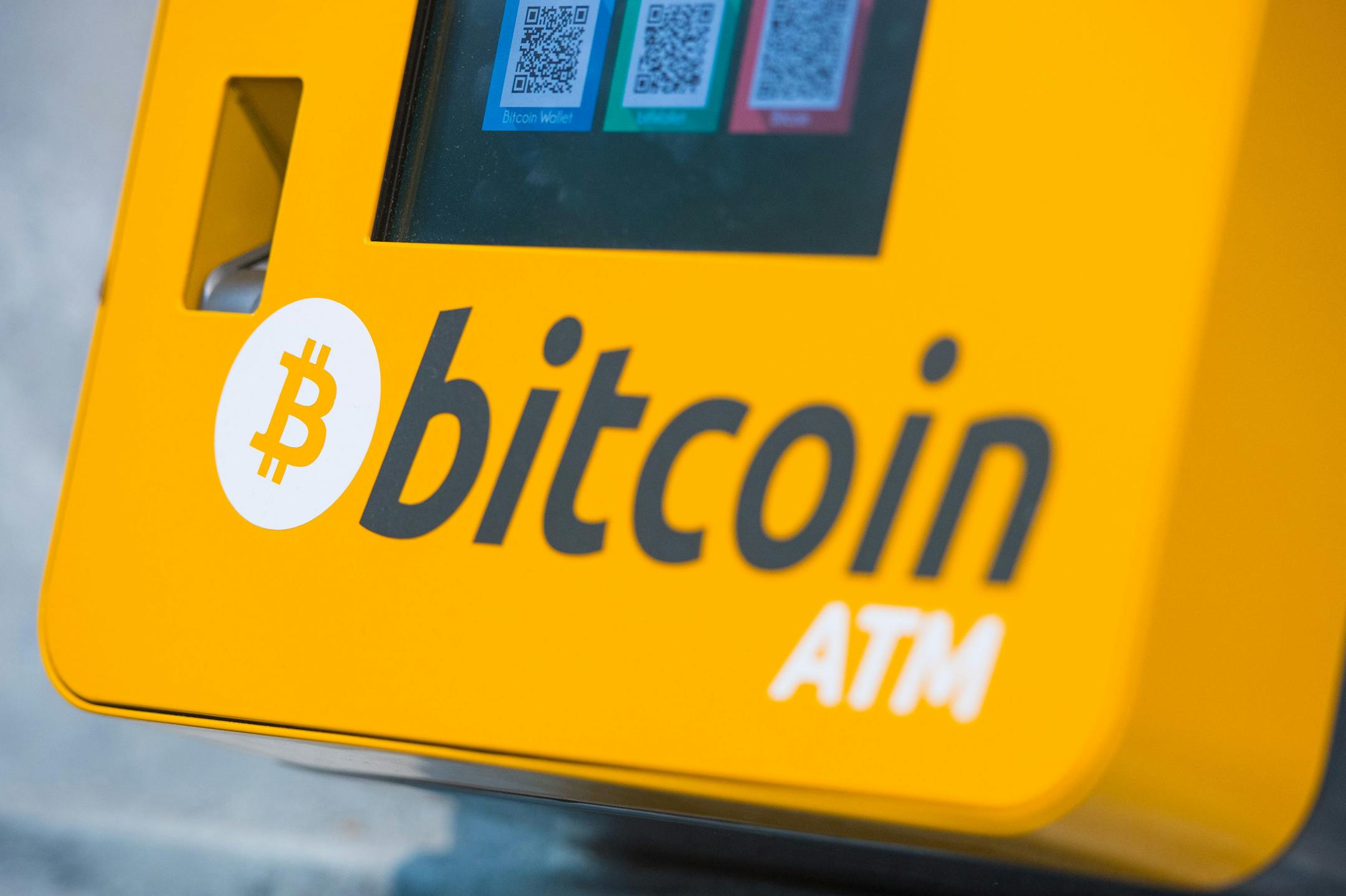
Fidelity is making Bitcoin a potential offering for savers in 401(k) plans that it administers. (Dominic Lipinski | Associated Press/The Minnesota Star Tribune)

Fidelity Investments announced last week that it will offer 401(k) investors access to Bitcoin as an investment choice in their retirement accounts.

This is big news because Fidelity is a legacy investment brand, and cryptocurrencies have been pretty much on the fringe of the investment world — until now.

Fidelity says it is the first major retirement-plan sponsor to announce the offering of Bitcoin investments.

In recent years, the knee-jerk reaction among many financial advisers has been to warn off clients from crypto investments. It's "too volatile." Doesn't have "an intrinsic value." It's a "Ponzi scheme," many have said.

Let's face reality: The blockchain technology that serves as the foundation of cryptos isn't going away anytime soon. Let's get past the noise, though, and consider if Bitcoin and other cybercurrencies will fit into your investment plan.

Your employer will make the first choice

First, the Fidelity news won't mean that Bitcoin will show up immediately on your 401(k) plan's investment menu. Fidelity is still "building out its digital asset platform," according to a news release, and the Bitcoin option won't be available in its 401(k) plans until later this year.

Beyond that, employers will have to approve crypto investments inside the plans they provide to their workforce. And because of their fiduciary duty — placing the needs of plan participants above all else — they may be reluctant to provide immediate access. Many will likely take a wait-and-see attitude before making a move to offer crypto as part of their retirement plans.

One reason for that: Just last month, the U.S. Labor Department urged plan sponsors to use "extreme care" before offering cryptocurrency investments in 401(k) plans.

"Fiduciaries must act solely in the financial interests of plan participants and adhere to an exacting standard of professional care. Courts have commonly referred to these prudence and loyalty obligations as the 'highest known to the law.' Fiduciaries who breach those duties are personally liable for any losses to the plan resulting from that breach," the department said in a special compliance release in March.

That's more than enough to squeeze a bladder leak out of most employers.

Take a gut check

But let's say a Bitcoin investment option appears in your 401(k) one day. Or you want to put some in your IRA or just a regular old investment account.

You're probably expecting some kind of bleak warning to follow, right? Like I can talk you out of it or something.

No. I've invested in Bitcoin before. I don't have any now, and there's a pretty interesting story behind that. And it's not about some scary loss I suffered. Remind me to tell you about that one day.

The thing I will say is, how do you feel about seeing your I-worked-my-butt-off-for-that-money savings account suffer a sudden, massive loss? Are you one of those "It will bounce back one day" kind of investors? Or are you more likely to think, "Dang! That account was worth a fortune six months ago — I could've bought a house for cash!"

Consider the past 12 months

Let's say you bought a whole Bitcoin one year ago. And to keep it simple, you paid $50,000 for it. (I bought in when one Bitcoin was $2,500 a few years ago and thought it was too rich. You feeling me?)

One year later, that single Bitcoin is worth somewhere around $40,000. You're down 10 grand. Does that put a knot in your stomach, or are you OK?

And in the course of that single year, from late April 2021 to now, it went as high as about $67,500. Now does it feel like a $10,000 loss or a $27,500 loss?

Of course, this is hypothetical, but if you can put yourself in that situation and you're OK with it, then maybe a taste of crypto investing is something you can stomach. In a retirement account, it might be little more than a small sweetener to your core investments.

Or maybe the stock market provides enough of a thrill ride for you.

about the writer

about the writer

Hal M. Bundrick

More from Business

See More
card image
Moses Yuhanna

Billy Turner, a Mounds View grad, bought and renovated the 1922-built St. Paul firehouse to be his Minnesota home base during his NFL career.

card image
card image
