
Brooks: Minnesota’s archive of endangered national park signs tops 11,000 and counting

When Donald Trump threatened to erase history from America’s parks, Save Our Signs mobilized to preserve a record.

Columnist Icon
The Minnesota Star Tribune
November 2, 2025 at 11:00AM
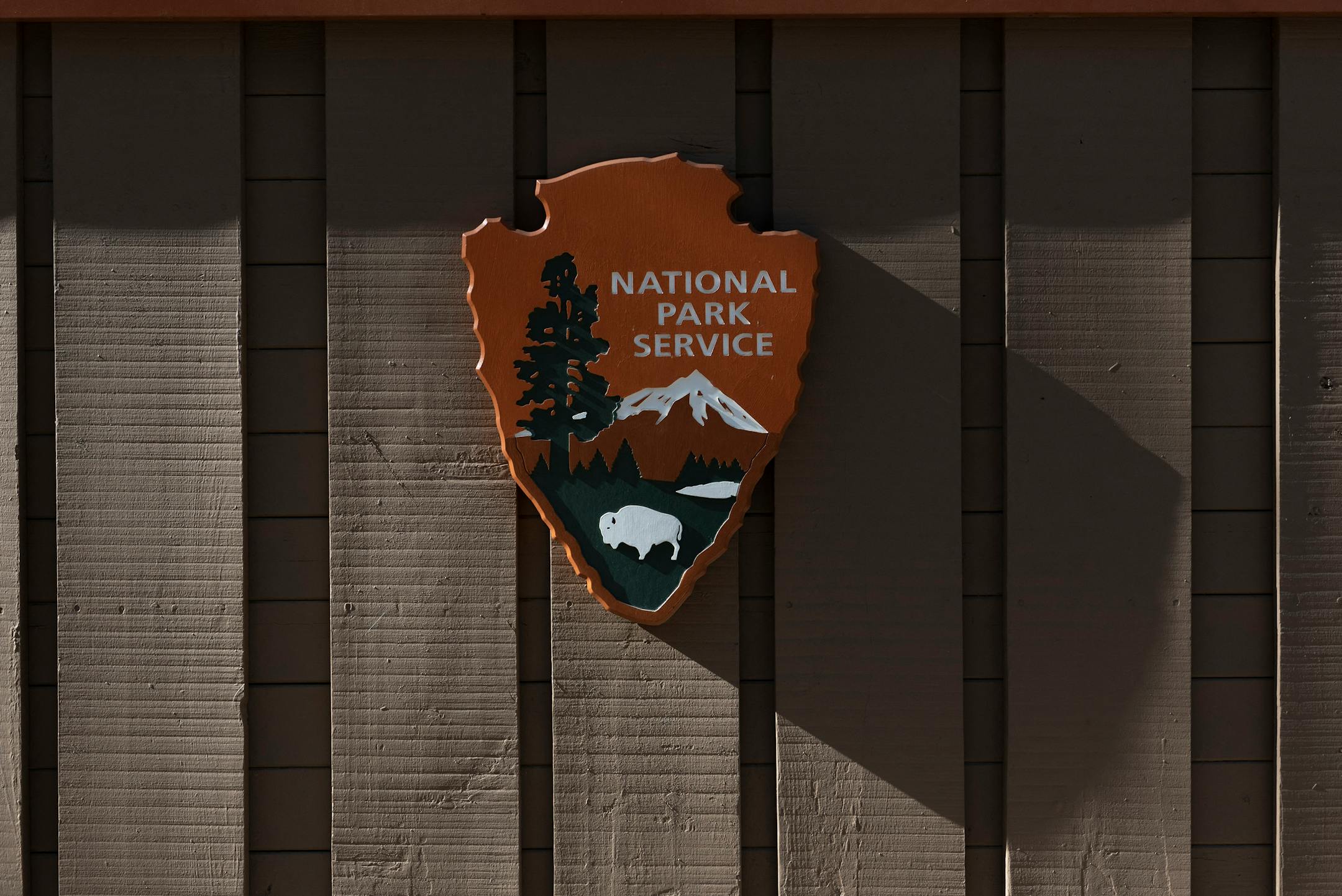
A National Park Service sign at the Exploration Center in Yosemite Valley, at Yosemite National Park. (LAURE ANDRILLON/AFP)

America’s vacation photos are pouring into one library in Minnesota.

Thousands upon thousands of snapshots of signs. Signs at the Grand Canyon. The Liberty Bell. Manzanar. Alcatraz. Little Bighorn. Little Rock Central High. The story of America, told through its national parks, monuments and historic sites.

It’s a digital bucket brigade — Save Our Signs — preserving a record of historic markers before they’re removed or rewritten by a government that doesn’t like the stories they tell.

President Donald Trump ordered the removal of facts and information from federal lands and national museums that portray American history in a less than flattering light.

“The Smithsonian is OUT OF CONTROL,” Trump posted on social media in August, “everything discussed is how horrible our Country is, how bad Slavery was, and how unaccomplished the downtrodden have been.”

A visitor to Independence Hall National Historic Park reads one of the exhibits flagged for possible removal under President Donald Trump's order. (Tom Gralish)

Historians and librarians at the University of Minnesota launched Save Our Signs this summer. There is no central database of national park signs, so they asked the public to send in their own photos from the parks, historic sites, monuments, memorials, battlefields, seashores that make up the National Park Service.

“This is information that belongs to the people and they should be able to access it and learn from it,” said historian Kirsten Delegard, co-founder of the Mapping Prejudice Project. “To me, this feels like a direct attempt to take the full force of the federal government to erase all the nuance. Just completely erase it. Make it inaccessible.”

Save Our Signs now archives and shares the images of more than 11,000 park signs, at sites ranging from Hawaii to the Virgin Islands and just about every state in between.
With all the terrible things happening in the world — war, famine, wildfires, masked government agents grabbing people off the streets — people sometimes ask Delegard why she cares so much about placards in a park.

“As humans, we need stories to understand the world,” she said. “We cannot save those material things unless we have a shared sense of who we are.”

While the librarians hold these truths, the National Park Service, once considered America’s largest classroom, has begun ripping pages out of our national story.

At least 10 signs that once shared information about everything from climate change to the history of the Wabanaki people have been removed from Acadia National Park in Maine.

Under the shade of the great sequoias at Muir Woods National Monument in California, history now begins in 1872. The Park Service stripped all mention of the Coast Miwok and Southern Pomo people who were forced from their land.

You can still read about Gifford Pinchot, chief of the U.S. Forest Service in 1890. You can no longer read that he was an avowed eugenicist who believed Americans should be bred selectively so only the purest bloodlines would thrive.

We have to know our history before we can learn from it.

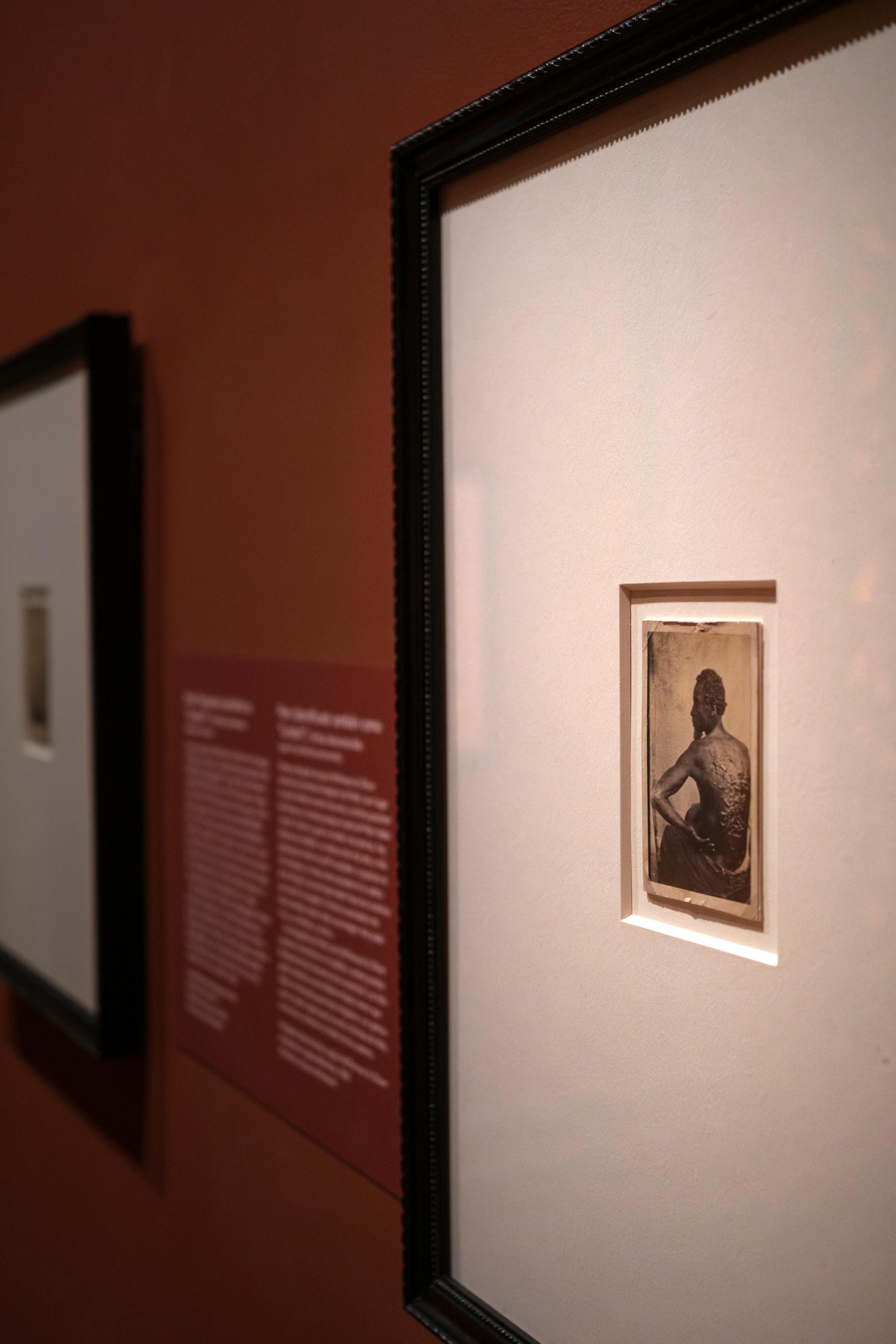
The Trump administration has ordered the removal of signs and exhibits related to slavery at multiple national parks. Among the images reportedly targeted for removal is an 1863 photograph of Peter Gordon at Harper's Ferry National Historic Park, showing the scars from scourging he endured while he was enslaved. The photo shown here hangs in the National Portrait Gallery in Washington, D.C. (Tom Brenner/For the Washington Post)

Anyone can upload a photo of a national park sign to Save Our Signs. Just the signs, please. If a picture includes your family or your dog, it might make the archivists smile, but it can’t go in the database.

Again and again, people question Jenny McBurney, government publications librarian and coordinator of the U’s massive regional depository of government documents: Do you really want a picture of every sign? I’m not sure if this is the sort of sign they might remove.

We want all signs,” said McBurney, who snapped her own photos of every sign she could find at Independence Hall National Historical Park during a recent trip to Philadelphia. “It doesn’t matter if you think it’s at risk, because we don’t know if it’s at risk.”

Years of research and thought goes into national park signage. Now they can vanish on the whim of the same administration that demolished the East Wing of the White House in the space of three days.

An image of an enslaved man’s scarred, scourged back was targeted for removal from exhibits at Harpers Ferry, site of John Brown’s raid. The word “transgender” vanished from the website for the Stonewall National Monument, where trans women led the uprising for LGBTQ civil rights.

The United States of America turns 250 next year. Trump’s executive order against “improper” history took specific aim at the nation’s birthplace, Independence Hall.

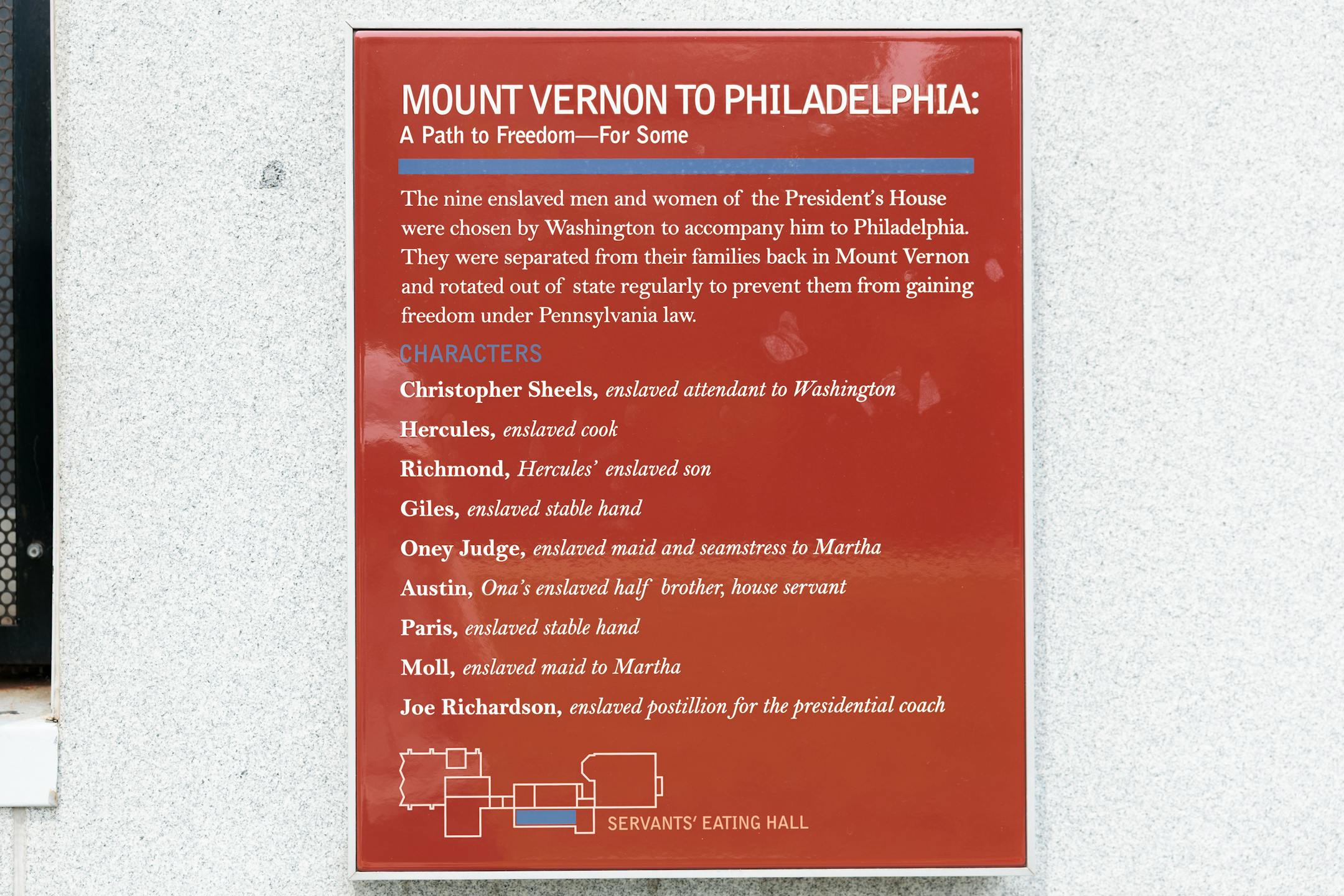
There, you can read about the soaring ideals that founded the nation: Life, Liberty, Pursuit of Happiness. There, you can learn that abolitionists named the Liberty Bell. There you can read the names of the humans whom George Washington kept in bondage. Christopher. Moll. Hercules. Oney. Joe. Richmond, age 11.

A sign on display at the President's House Site in Philadelphia. The Trump administration ordered a famous Civil War-era war image removed from a National Park Service site in Georgia, as well as other materials, as it moves to promote what it considers a more positive view of American history. (HANNAH BEIER/The New York Times)

The story of America is wonderful and terrible, fascinating and infuriating. Erasing half that history would flatten the story of America into a fable, with all the emotional depth and truth of a toddler’s crinkle book.

Don’t let them.

“The people have the power to decide what they want to preserve and what’s important to them,” Delegard said. “We as librarians and public historians are here to help people do that. We are working with the people to preserve the things that matter to them.”

Visit Save Our Signs here.

about the writer

about the writer

Jennifer Brooks

Columnist

Jennifer Brooks is a local columnist for the Minnesota Star Tribune. She travels across Minnesota, writing thoughtful and surprising stories about residents and issues.

See Moreicon

More from Greater Minnesota

See More
card image