

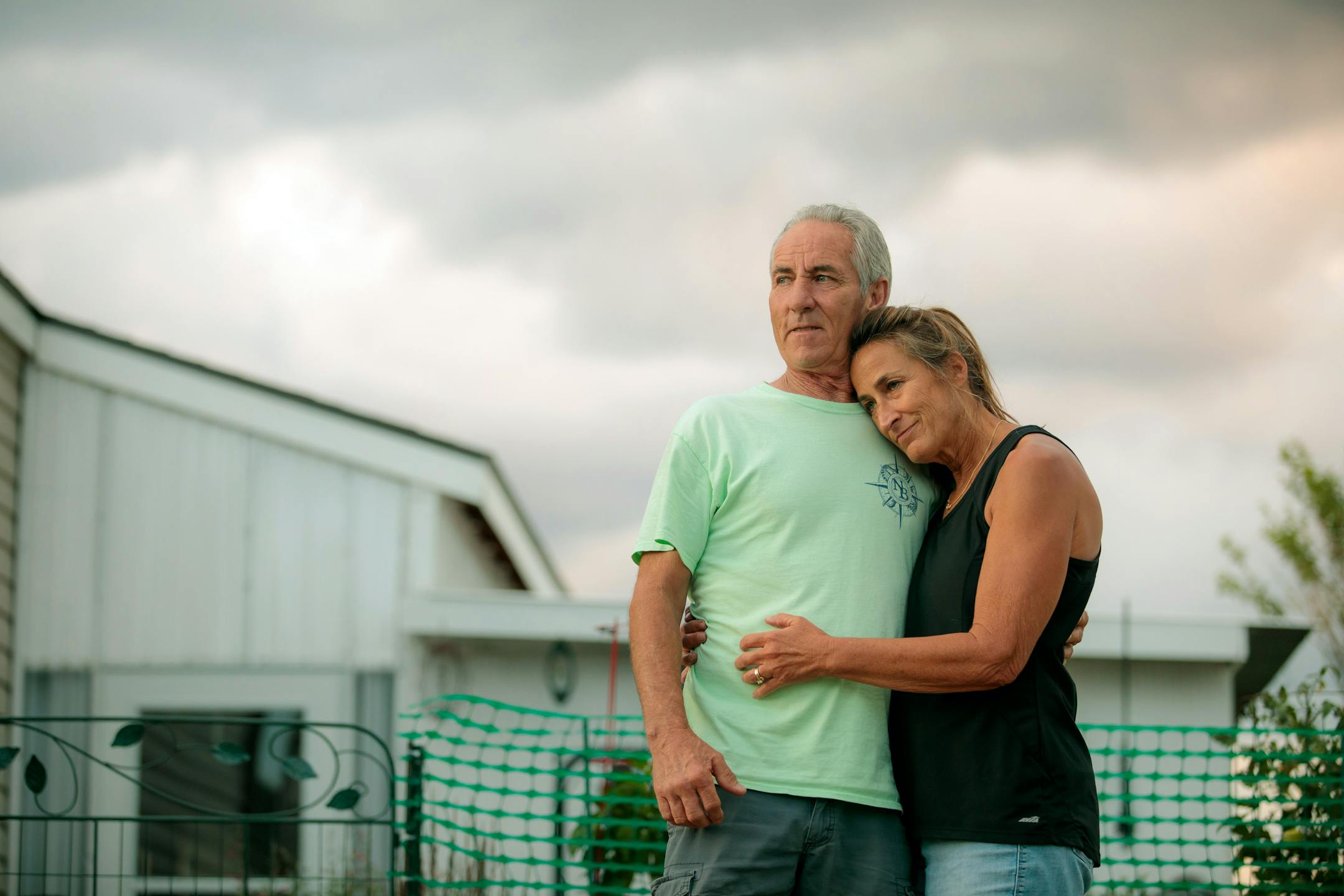
Dee Dee Patten, 57, had not planned to retire early. But when the coronavirus-induced lockdown took hold in 2020 and business dried up at the mechanical repair shop that she and her husband, Dana, owned in Platteville, Colorado, they decided to call it quits.
Mildred Vega, 56, had even less choice in the matter. Soon after she lost her job because of a restructuring at a Pfizer office in Vega Baja, Puerto Rico, the pandemic foreclosed other options.
Vega and the Pattens are three of the millions of Americans who have decided to retire since the pandemic began, part of a surge in early exits from the workforce. The trend has broad implications for the labor market and is a sign of how the pandemic has transformed the economic landscape.
For a fortunate few, the decision was made possible by 401(k) accounts bulging from record stock values. That wealth, along with a surge in home values, has offered some the financial security to stop working well before Social Security and private pensions kick in.
But most of the early retirements are occurring among lower-income workers who were displaced by the pandemic and see little route back into the job market, according to Teresa Ghilarducci, a professor of economics and policy analysis at the New School for Social Research in New York City.
"They might call themselves retired, but basically they are unemployed and in a precarious state," Ghilarducci said. Economic downturns typically induce more people to leave the workforce, but there has been a faster wave of departures this time than during the 2008-09 recession, she said.
After analyzing data from the Bureau of Labor Statistics and the University of Michigan Health and Retirement Study, Ghilarducci found that among people with incomes at or below the national median, 55% of retirements recently were involuntary.
By contrast, among the top 10% of earners, only 10% of exits were involuntary.


