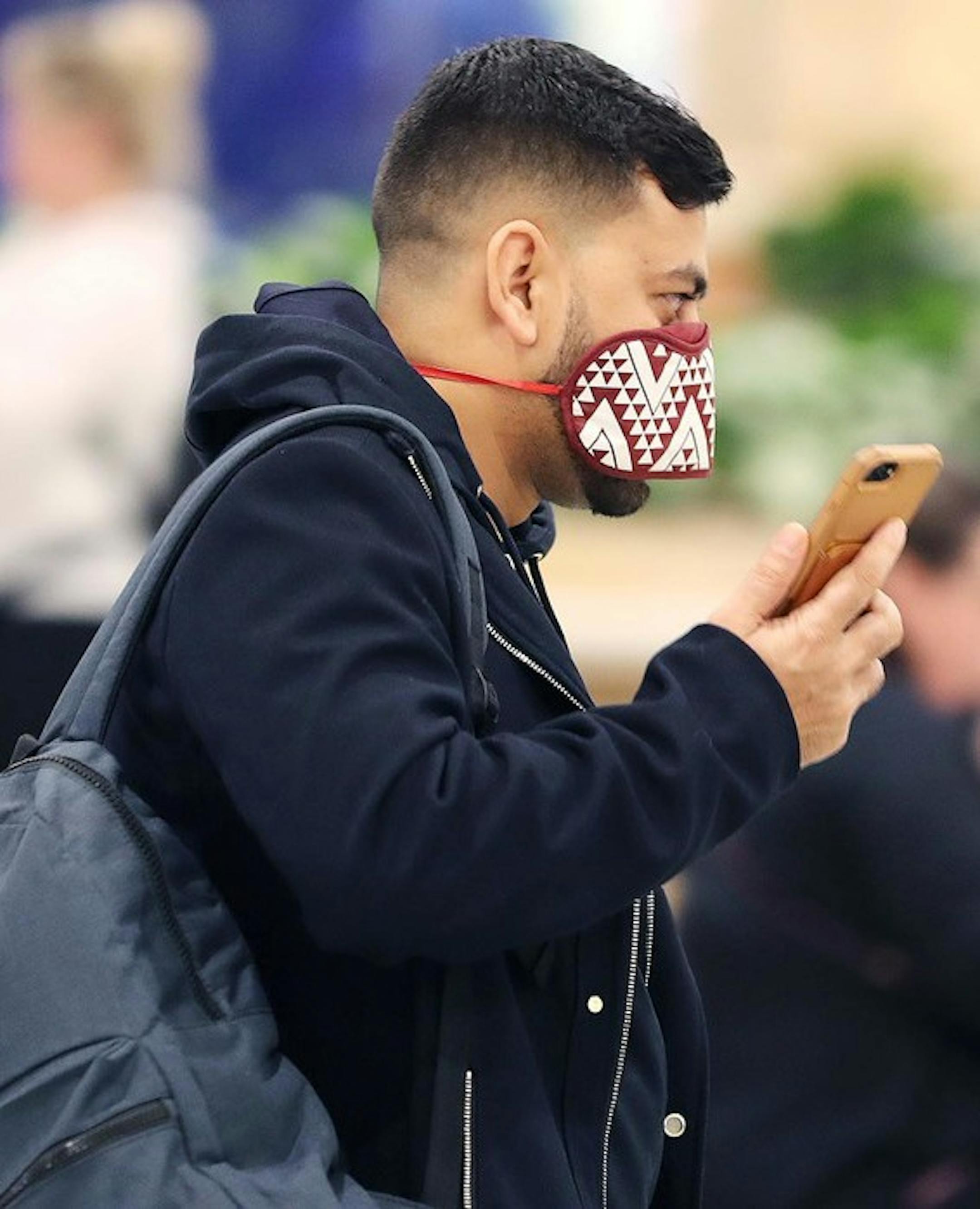
Don't panic, we're told. The risk is low to most people. You don't need a mask unless you're sick or a health care provider. Among healthy people, it often ends up being no worse than the flu.
On the other hand: This thing is spreading. The deaths are mounting. The end is nowhere in sight.
As the number of cases and the number of places being infected by the novel coronavirus grows, everyone from Wall Street to the man on the street seems rattled. But how much of the fear is being driven more by emotions than facts?
Some anxiety is justified. The mortality rate so far from the virus is estimated to be more than 3%, compared to about .1% for the flu.
So experts in the psychology of risk perception — the study of the sometimes irrational and often emotional factors that determine what freaks us out and what doesn't — think that in the case of the coronavirus, we actually do have more to fear than fear itself.
"The risk is real, so let's put on the record right now that this is a concern," said David Ropeik, an expert on risk perception and communication.
"The challenge is keeping your worry in perspective, so you don't do something out of worry that's bad for you all by itself."
Ropeik has lectured at Harvard on risk perception and is the author of a book about how some of us worry too much about the wrong things "How Risky Is It, Really?: Why Our Fears Don't Always Match the Facts."