

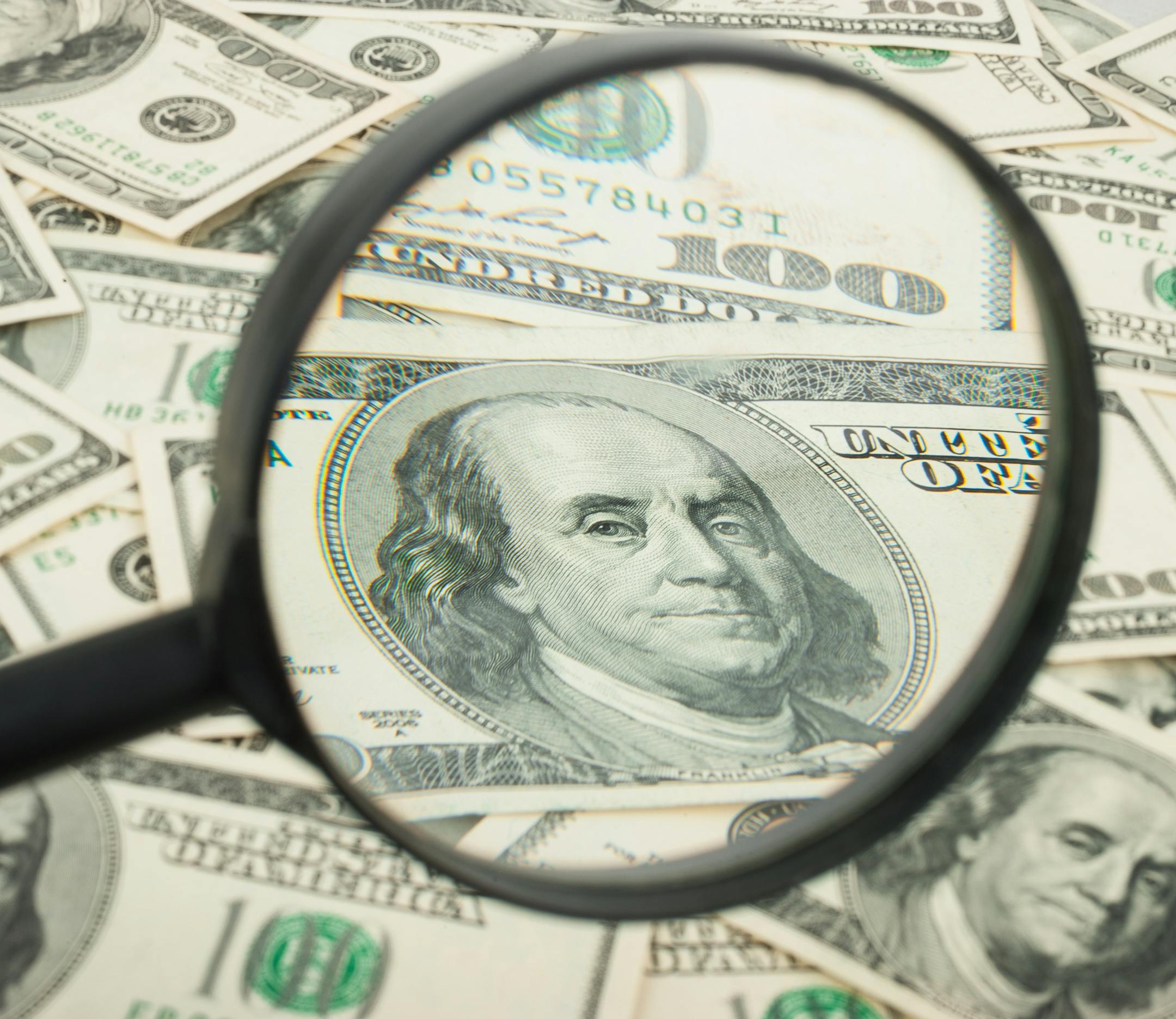
Money is money, whether it's cash in our hands, plastic cards at checkout counters or encrypted bits of data coursing between computers on the internet.
But our brains don't view all money as equal, thanks to what behavioral economists call "cognitive biases":
• We spend cash more carefully than plastic.
• We regard tax refunds as a windfall rather than a return of what we earned.
• We'd rather have money now than more money later.
Sometimes our illusions about money can be harnessed for good. The Save More Tomorrow program, created by economists Richard H. Thaler and Shlomo Benartzi, has people commit to increasing their retirement contributions starting one year in the future. In the economists' initial study, workers who agreed to save future dollars nearly quadrupled their savings rate in four years.
Too often, though, our money illusions work against us. When we treat some forms of money as less real than others, it can really cost us. For example:
Financing fun
Timeshares and recreational vehicles often are pitched as a way to save on future vacations. Anyone who has owned either knows that's not necessarily true. First-time RV buyers, for example, often underestimate the costs of maintaining, repairing and fueling their rigs. Timeshare newbies can be gobsmacked by rising annual fees, the hassles of trading their units and the difficulty of shedding unwanted timeshares.



