

For months, the putt-putt course sat unused. The beanbag chairs lay empty. The kitchen whiteboard, above where the keg used to live, displayed in fading marker "Beers on Tap" from a happy hour in March 2020.
But on a recent weekday, over in the common area was a sign of life — fresh bagels.
As employees at the financial technology startup CommonBond got COVID vaccines, and grew stir-crazy in their apartments, they started trickling back into the office.
"We call it Work From Work Wednesday," said Keryn Koch, who runs human resources at the company, which has 15,000 square feet of sunlit real estate in the SoHo neighborhood of New York City.
At one point, autumn had been billed across corporate America as the Great Office Reopening. The delta variant intervened, and mandatory return-to-office plans turned optional. Still, many people chose to report back to their desks: The share of employed people who worked remotely at some point during the month because of COVID, which had peaked in May 2020 at 35%, dropped in October to 11%, the lowest point since the pandemic began, according to the Bureau of Labor Statistics. A closer look at the New York workforce, from a November survey of 188 major employers, showed that 8% of Manhattan office workers are back in the office full time, 54% are fully remote and everyone else — nearly 40% — is hybrid.
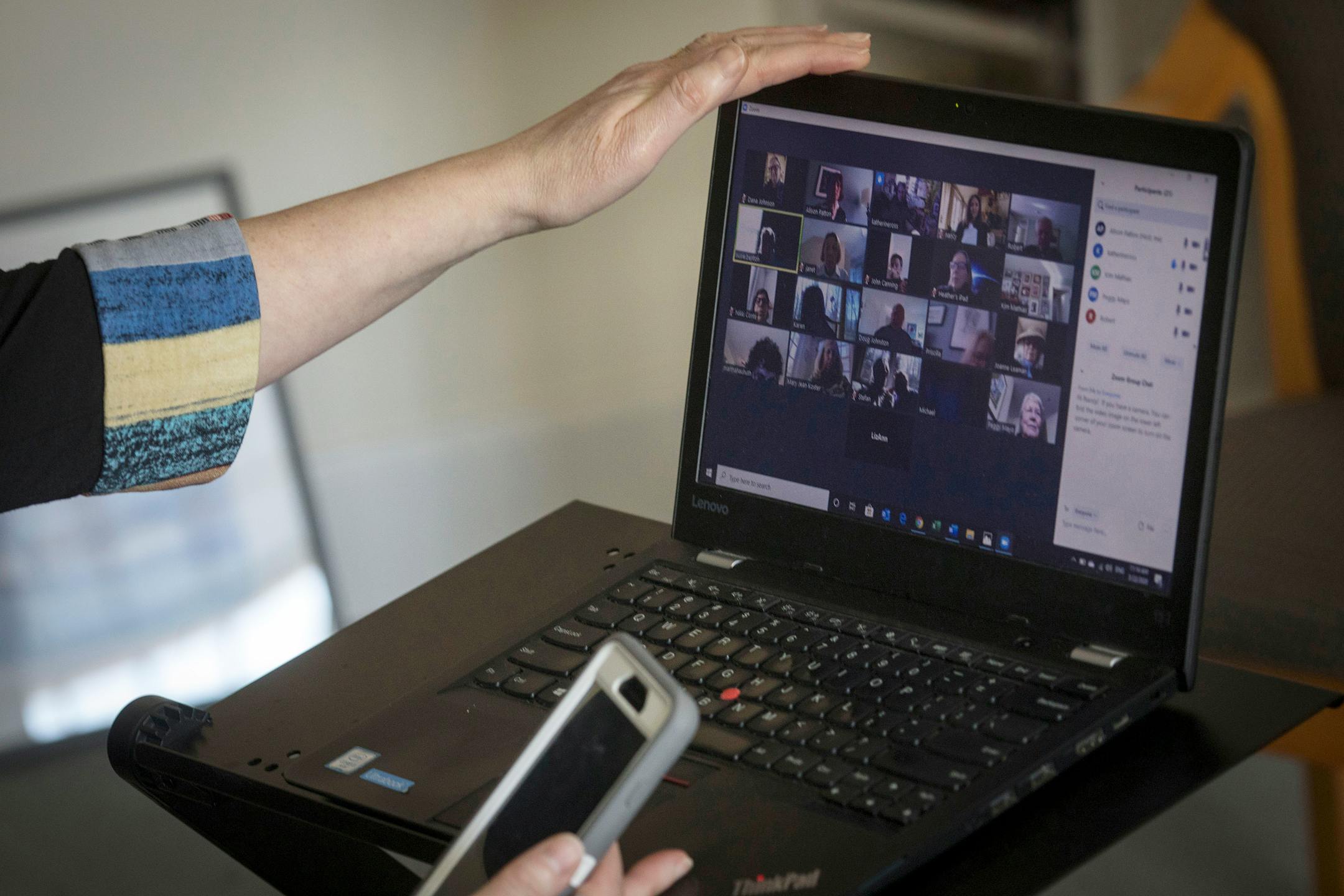
Few are finding it a smooth transition period. Some companies used their tentative RTO dates as an unwitting excuse to avoid questions about how to balance the needs of their remote and in-person employees, according to Edward Sullivan, an executive coach. That has resulted in a mushy middle ground: video calls where remote workers have trouble hearing, a sense that people at home are missing out on perks (teammates), while those in the office are, too (pajamas). And the stakes are not just who is getting talked over in meetings. It is whether flexibility is sustainable, even with all the benefits it confers.
"We're going to see a lot of companies get this wrong," said Chris Herd, an entrepreneur and expert on hybrid work.
Recently Brett Hautop, head of workplace at LinkedIn, sat in a conference room listening to a pitch from a global vendor. The firm wanted to sell its services to LinkedIn to help facilitate effective hybrid work. But the people making that pitch had turned their back to the video camera, so the LinkedIn employees joining by videoconference could not see them.


