

Each year, policymakers survey the economic and political landscape before commencing the hard work of refashioning molehills into mountains (and vice versa). While we enjoy celebrating lofty goals and smart ideas, from time to time it's important to acknowledge the bad and the ugly along with the good. What follows is a list of 2012 policies that, frankly, we wish we'd never heard of.
Clean Coal: Both Mitt Romney and President Barack Obama promoted coal-powered electricity in 2012, never more so than when stumping through the carbon-loaded swing states of Virginia and Ohio. While "clean coal" doesn't actually exist, there is abundant and growing evidence that global warming is real, and that coal emissions are a prime contributor to rising temperatures. This is not the way to power the future.
Immigration Insanity: Arizona is not unique in legislating self-harm. Alabama and Georgia both chased immigrants out of their states in 2012, then watched crops rot in the fields as a result. In Washington, Congress again failed to expand H1-B visas for graduates in science, technology, engineering and math, cashiering American dreams and sending would-be immigrants to create jobs - and wealth - elsewhere.
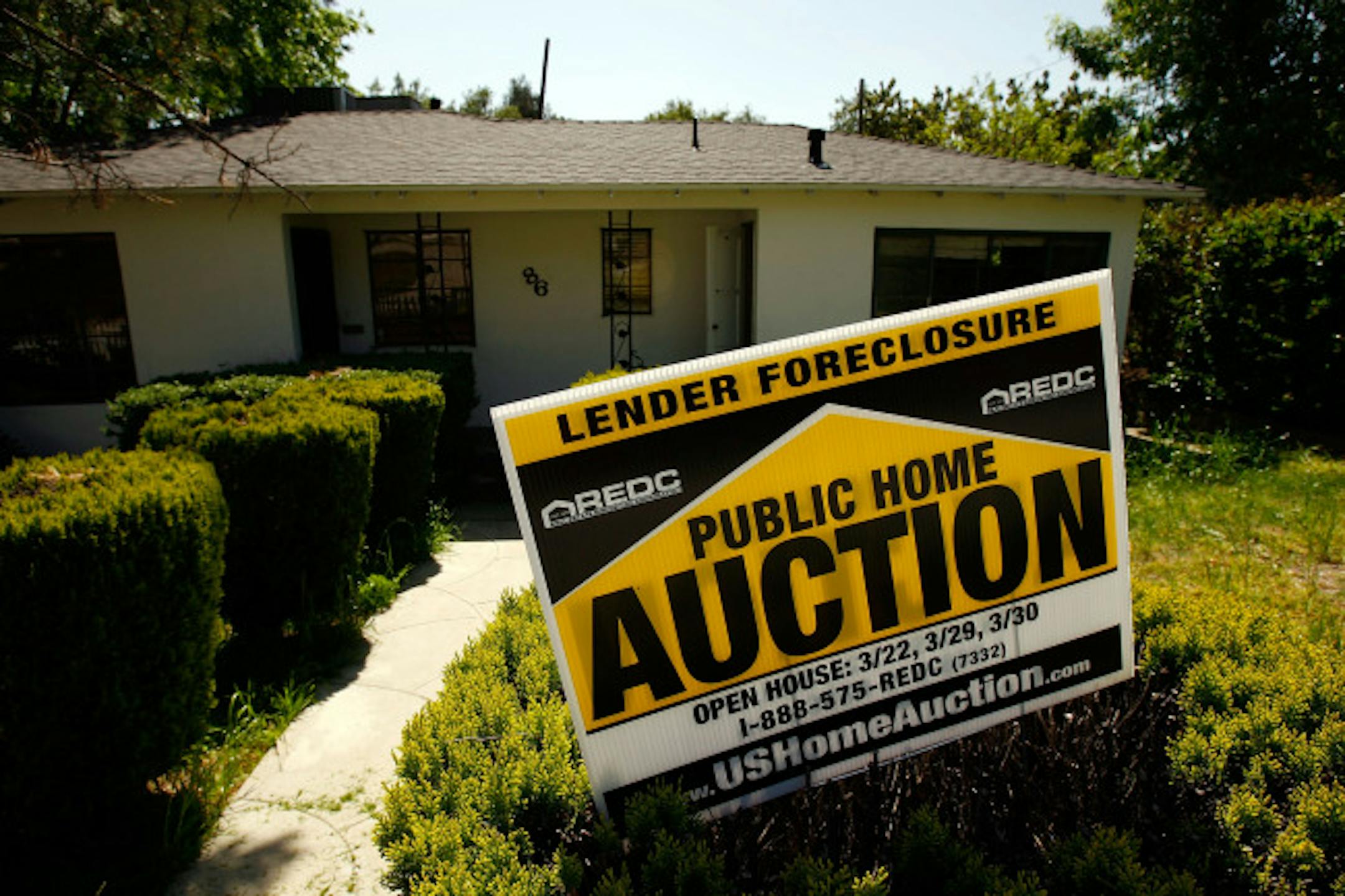
Pain for Homeowners: Thumbing his nose at everyone from his boss (the president) to Federal Reserve Chairman Ben S. Bernanke, Edward DeMarco, the acting director of the Federal Housing Finance Agency, in July refused to allow Fannie Mae and Freddie Mac to provide debt relief to borrowers who owe much more than their homes are worth. It was a missed opportunity. According to one analysis, such principal reductions could have saved the taxpayer-backed mortgage giants as much as $3.6 billion while helping hundreds of thousands of borrowers in danger of default. The source of that analysis? DeMarco's own agency.
Farm Subsidies: Congress in 2012 pushed a wasteful $5 billion annual subsidy to farmers with a new insurance program designed to cover even minor losses on harvests. With record- high commodity prices serving as the program's baseline, analysts estimate that a crop-price decline - to more normal levels - could trigger $7.5 billion in insurance payments to farmers.
The Mono Mandate: Is the purpose of economic policy to improve human welfare? Not to some inflation-obsessed lawmakers. A proposal to reduce the Federal Reserve's dual mandate (to maintain price stability and full employment) to a single mandate of price stability made the rounds in Congress this year. It went nowhere, but the call to ignore the human fallout of hard times will probably be back.
A Shady JOBS Act: In April, Obama signed the Jumpstart Our Business Startups Act, or JOBS Act, which lawmakers in both parties claimed would relieve small businesses of burdensome regulations. The law actually guts investor protections and exempts "startups" with as much as $1 billion in revenue from a host of disclosure and governance rules. Did Congress just jumpstart the next Enron Corp.?
Do-It-Yourself Cybersecurity: With an assist from the U.S. Chamber of Commerce, Congress this year scuttled legislation to mandate cybersecurity standards for critical infrastructure, including electrical grids, the banking system and telecommunications networks. Opponents argued that "voluntary" compliance by companies will suffice to safeguard consumers and the nation. Customers of JPMorgan Chase, Wells Fargo and Bank of America - to name just a few recent victims of malicious computer attacks - might disagree.


