

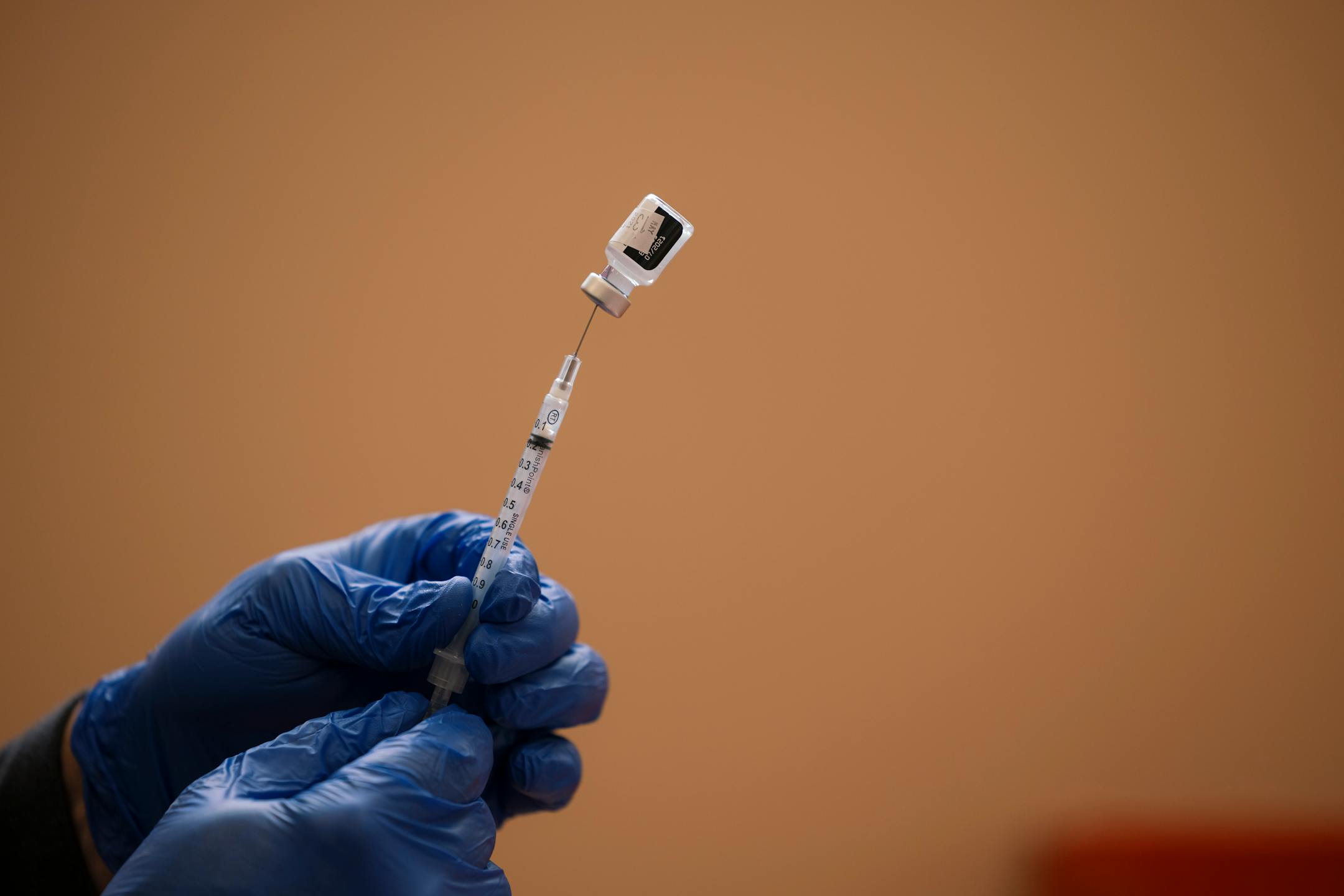
As panic spreads about the delta variant and supposed vaccine ineffectiveness, the underlying problem is a lack of adequate public health communication about the nature of "adaptive immunity," acquired either by infection with COVID-19 or by vaccination.
The immune system generates several kinds of responses. In the case of actual infection by, or vaccination against, a pathogen, the immune response is referred to as adaptive immunity.
A greatly simplified description of is that immune system cells identify the chemical sequence of portions of the virus and initiate the process of creating or modifying cells that will be capable of recognizing those sequences if they are encountered again, and then disabling or destroying the pathogen.
Adaptive immunity components, including B cells that produce antibodies and T cells that can disable viruses, are present in the bloodstream, but more importantly in the actual upper respiratory tract. Cells referred to as "memory cells" are present in this location and can marshal a response to a recognized pathogen and clear it very rapidly.
But given the weaknesses of so-called PCR testing for COVID, "positives" may be found while this clearing process is occurring. Hence the need for more disclosure on PCR test results for infections in fully vaccinated people.
A too-lenient definition of "fully vaccinated" is also at fault for confusion. Full development of an adaptive immune response, especially the memory cells, may take several weeks. Breakthrough infections should therefore be reported with information on how long after the last dose the infection occurred.
We are all constantly exposed to respiratory pathogens; we breathe them in and exhale them out. COVID-19 isn't going away; we are going to have exposure to it. Calling infections in the vaccinated "breakthrough" is misleading; nothing is being broken through.
The critical misunderstanding regarding adaptive immunity is that it is like a physical barrier. It is not. It is a rapid-reaction force that leads to quick clearing of the pathogen when recognized.


