

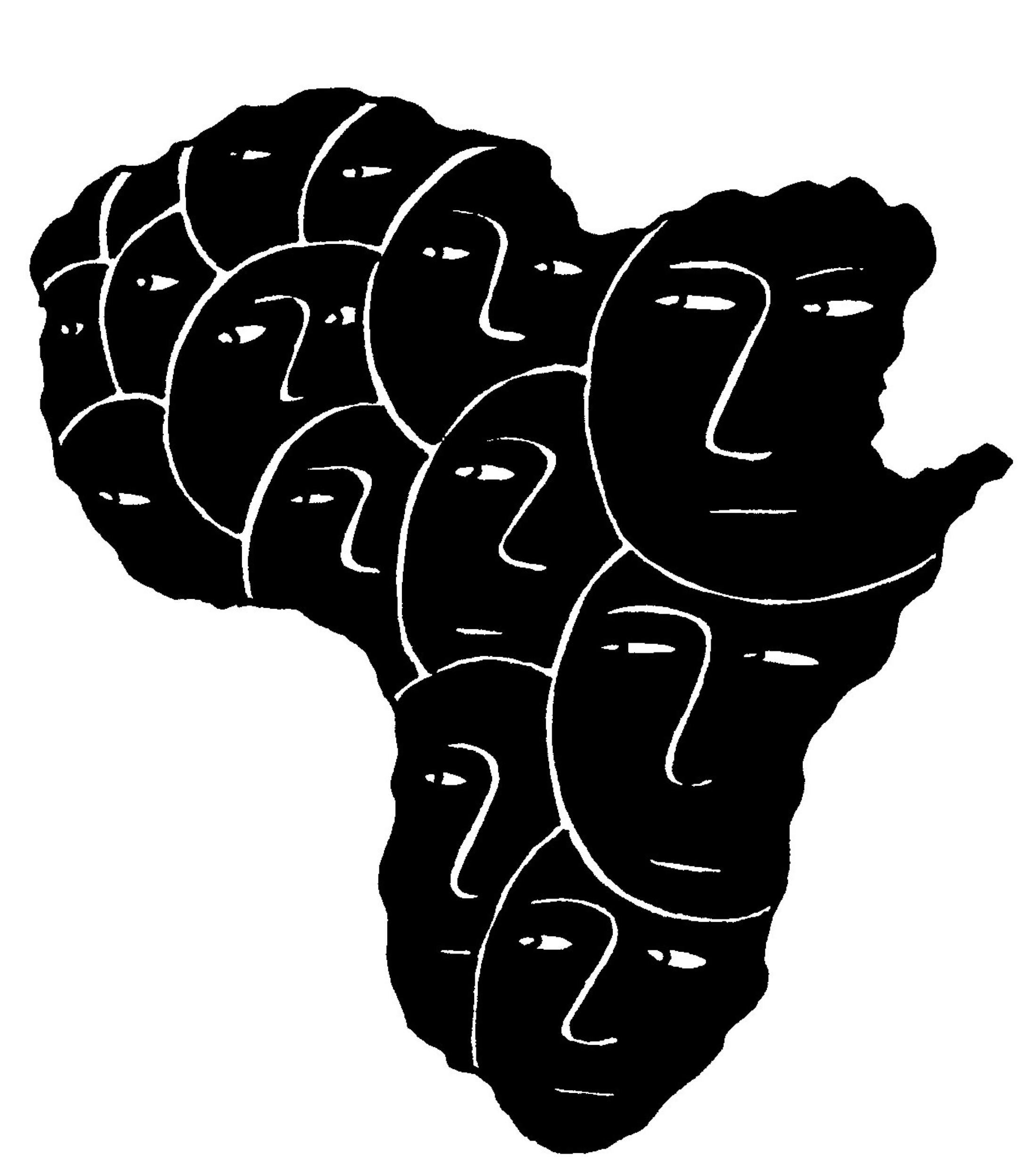
Africa's movers and shakers have been in Washington this week to meet with President Obama about trade and investment opportunities, politics and U.S. interests in the region's stability. The 2014 U.S.-Africa Leaders Summit is the largest gathering of African presidents and leaders ever to meet with a U.S. president.
If you've got your eyes on the international stage, then this initiative should be of no surprise. China has been making a killing in Africa. The Chinese had the insight to take Africa seriously as an economic partner when a lot of nations saw the continent more as a humanitarian charity case. Now that Africa's influence is becoming increasingly important to a lot of countries' bottom lines and GDPs, Western nations are looking at the Motherland through a new lens.
Here are some topics to keep in mind as this three-day affair wraps up today:
1) South Sudan's civil war is ongoing.
The civil war in South Sudan is not looking like it's getting any better. The 2013 fallout between its warring ethnic groups — those loyal to the current president, Salva Kiir of the Dinka tribe, and those loyal to a deposed vice president, Riek Machar of the Nuer tribe — is picking up steam again since the meetings that were supposed to take place last week to drum up solutions were delayed. Apparently both sides are still engaged in off-the-record conversations about the state of the transitional government. South Sudan is a fairly new country — it split from Sudan in 2011 and has been embroiled in ethnic fighting stemming from that succession ever since. That there's still fighting going on in one of its northern states is not helping move things along.
The United States and Europe threw down the gauntlet by freezing important assets in the country and told both sides that they have until mid-August to form an interim government that has a clear plan for maintaining the peace.
2) Ebola is refueling Africa's "image" problem.
The Ebola outbreak in West Africa, primarily Guinea, Liberia and Sierra Leone, has people on edge. In fact, the leaders of Liberia and Sierra Leone are skipping the summit in order to tend to the Ebola outbreaks in their countries. Within the past two weeks, more than 100 new cases were reported in these countries, and two American health care workers who were working in Liberia contracted the virus. Besides the obvious health concerns, one point that is not being discussed, which ought to be, is how this recent outbreak is unraveling the years of work it took to undo the perception that Africa is a diseased continent and that travelers going there should beware.
Unfortunately, for many parts of West Africa, that perception is now a reality.
3) Libya's power vacuum has taken a turn for the worse.
Most initiatives about Africa focus on the continent's sub-Saharan countries, but Libya, an African country that is typically brought up during discussions relating to the Middle East, ought to be on everyone's minds as well.


