

Opinion editor’s note: Strib Voices publishes a mix of national and local commentaries online and in print each day. To contribute, click here.
•••
Illegal price fixing used to require a lot of work. In the mid-1990s, to fix the price of the animal feed additive lysine, executives of some of the world’s biggest agribusinesses had to spend hours on airplanes flying to resorts where they spent days in conference rooms determining how much lysine each company could sell and at what price.
Now there’s an app for things like that.
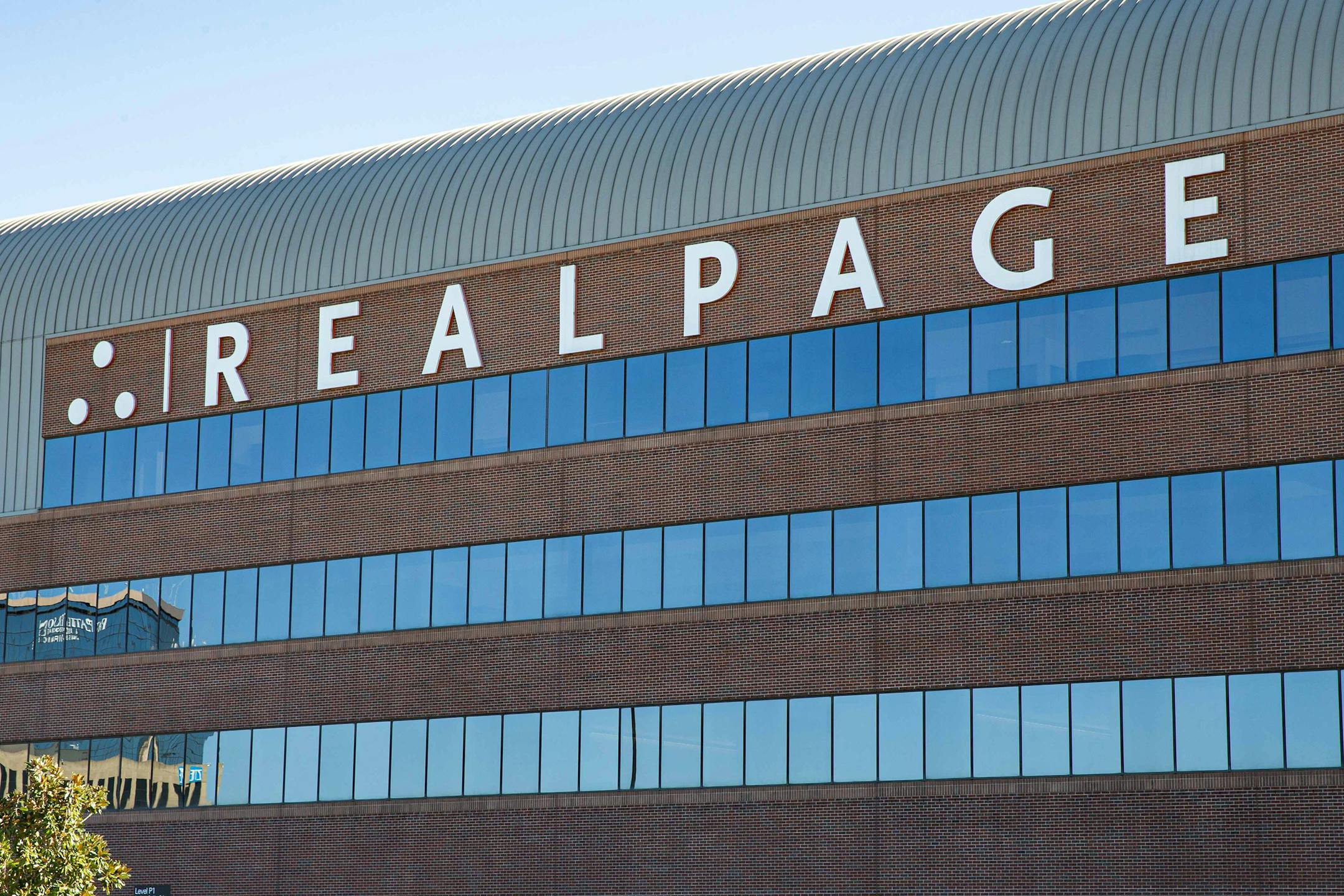
The Justice Department alleged in a civil antitrust lawsuit filed Aug. 23 that a Texas company called RealPage is orchestrating what amounts to a nationwide apartment cartel by persuading major landlords to use its software to set prices for millions of apartments across the country. RealPage markets its software by boasting that it increases rents by 3% to 7%.
The case is important because it highlights the growing use of algorithms to set prices — and the potential for companies that are supposed to be competing to instead coordinate at the expense of their customers by using the same price-setting formulas. The suit is part of a broader effort by the nation’s antitrust enforcers to catch up with the methods that modern corporations are using to squeeze their customers — in this case, by increasing the price of housing, the most expensive part of American life.
“We are seeing these kinds of technologies emerge throughout our economy,” Jonathan Kanter, the assistant attorney general for antitrust, said in an interview. Technology, he said, “took something that may have been inherently difficult to do, in terms of putting a cartel together, and actually is making it much easier and more effective.”
Algorithms are changing enforcement, too. In the 1990s, the government needed an informant — or, in Hollywood’s retelling, “The Informant!” — to break up the lysine cartel. The RealPage complaint, by contrast, is substantially based on the work of a recently created team of Justice Department computer analysts who teased out the workings of the company’s algorithms by painstakingly examining its code.


