

Opinion editor's note: Star Tribune Opinion publishes a mix of national and local commentaries online and in print each day. To contribute, click here.
•••
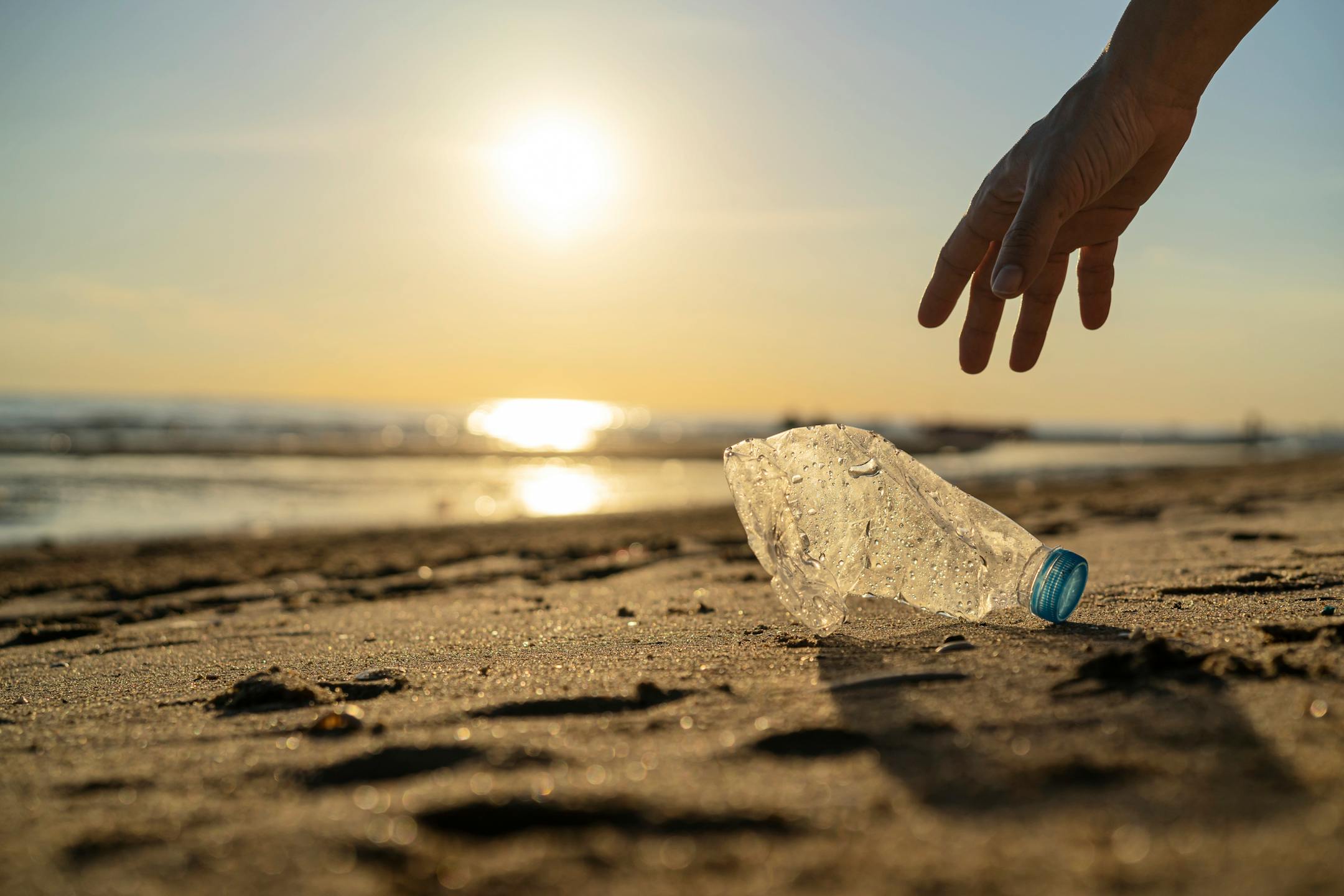
From spring until late fall, when winter weather drives me indoors to the treadmill, I spend 20 minutes each morning after my run around the Back Cove in Portland, Maine, walking the shoreline, picking up garbage. Every day is Groundhog Day — I gather plastic cups, syringes, food containers and cigarette butts the same as the morning before, and the same as the morning before that.
I should almost certainly feel despair battling the daily fallout as late capitalism enters hospice care. But instead I get a base, primal satisfaction from actually just doing something, no matter how insignificant. We've forgotten, maybe, as the virtual world has slowly co-opted our lives, that we are meant by nature to move through and manipulate, to lift and carry and sort and transfer. Simple acts, I've found, have an outsized effect on the worrying over abstractions that otherwise takes up so much of my time.
My education in this regard started one morning a few years ago, when, getting ready for a run, I looked up and saw a sea gull with what looked like a small fish clutched in one of her feet. It wasn't a fish but a fishing lure, and its barbed hook had stabbed the gull's foot and lodged there. She flew wide, despairing circles above me, trying to shake the hook loose while other birds, seemingly making the same mistake I'd made in thinking the lure was an actual fish, gave chase.
That day, instead of doing a more conventional walk-and-stretch after running, I finally acted on an impulse I'd had many times and started moving slowly along the perimeter of the cove, picking up garbage. My grief over the gull's suffering receded ever so slightly as I went.
The satisfaction I get from this habit is not uncomplicated. Sometimes I take paradoxical pleasure in getting dirty with other people's trash, and other times the surprise dollop of last night's honey mustard sauce on my shoe is enough to send me directly over the edge.
But the daily practice has taught me to be on guard against my own vanity — to notice and discard the smug feeling that sometimes arises when I see others enjoying the cove but doing nothing about how blighted it is. Instead I am confronted each day with my own fallibility, tininess and hypocrisy (as just one more trash ape among billions, I contribute to the problem simply by existing). And instead of puffing myself up, I check myself and reach for more garbage.


