I met Pope Francis last Saturday, as Putin was puffing out his chest in triumph over taking the Crimea, Beijing was putting an oil rig in Vietnamese territorial waters and Boko Haram was selling girls into slavery. Under such world conditions, how can this pope make a difference for good?
I sat in the first row of chairs in a large room in the inner papal apartment behind St. Peter's. A chair for the pope to use when he entered to give us audience sat about 20 feet in front of me. The frescos on the wall behind the empty chair and on the ceiling above us had been painted, I was told, by Michelangelo. Not as stirring as his Sistine Chapel works, but impressive nonetheless. Unlike any big reception room in the United States, this one made you aware that popes have been in office for 2,000 years or so. We only come and go; the papacy goes on and on.
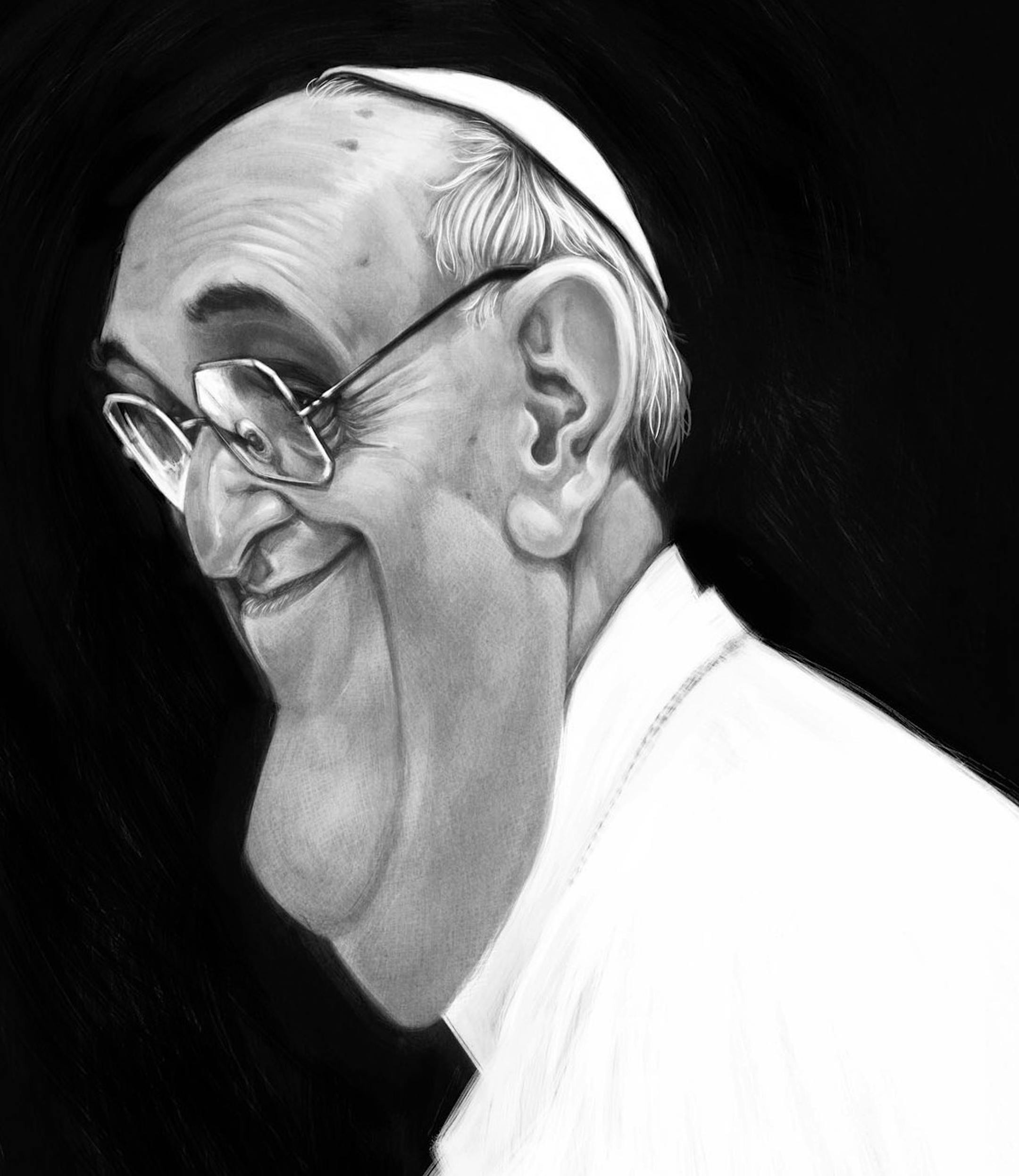
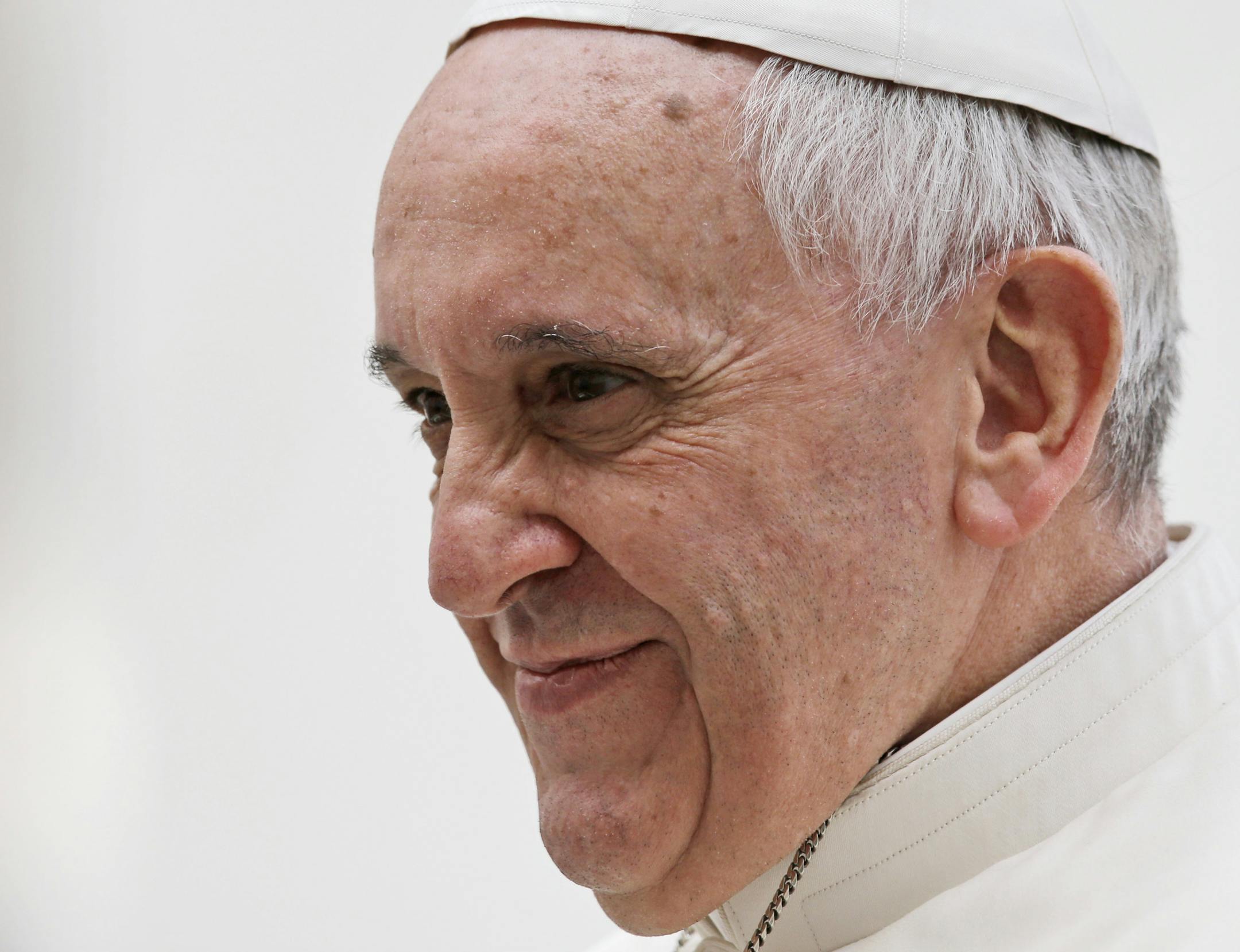
Pope Francis came in through a door to my right and passed not 4 feet in front of me. He was smiling, waving gently and walking slowly with stiff legs as an old man walks.
He sat down. The chair of the Centesimus Annus Foundation — an educational arm of the papacy that had just completed a conference where I had spoken — rose to report our conclusions to the pope. Francis then stood and gave us his thoughts and best wishes for continued success in an important moral and intellectual undertaking. Then those of us seated in front were invited to stand, line up, move forward and greet the pope personally.
This was a bit unusual for me, as I am not a Catholic. There I was, technically a heretic, standing face to face with a pope, shaking his hand and chatting. Later, I laughed inwardly a bit thinking of what my Calvinist New England great-grandmother might have thought of the episode. I think she would have been pleased for the honor, but worried that I might let it go to my head and, more important, that it might influence my understanding of "true" Christianity.
I gave Pope Francis a copy in Spanish of my book "Moral Capitalism," and he was taken in thought by the title — as if it were a new idea to him that there could be a moral capitalism.
I was taken by three aspects of his personhood: old black shoes, his smile and his eyes.
First the shoes: While seated in front of him, I glanced at the black shoes poking out below his white cassock. They were unpolished and had been worn for a long time — the very ordinary shoes of a parish priest who had walked in them while attending to ordinary tasks.