

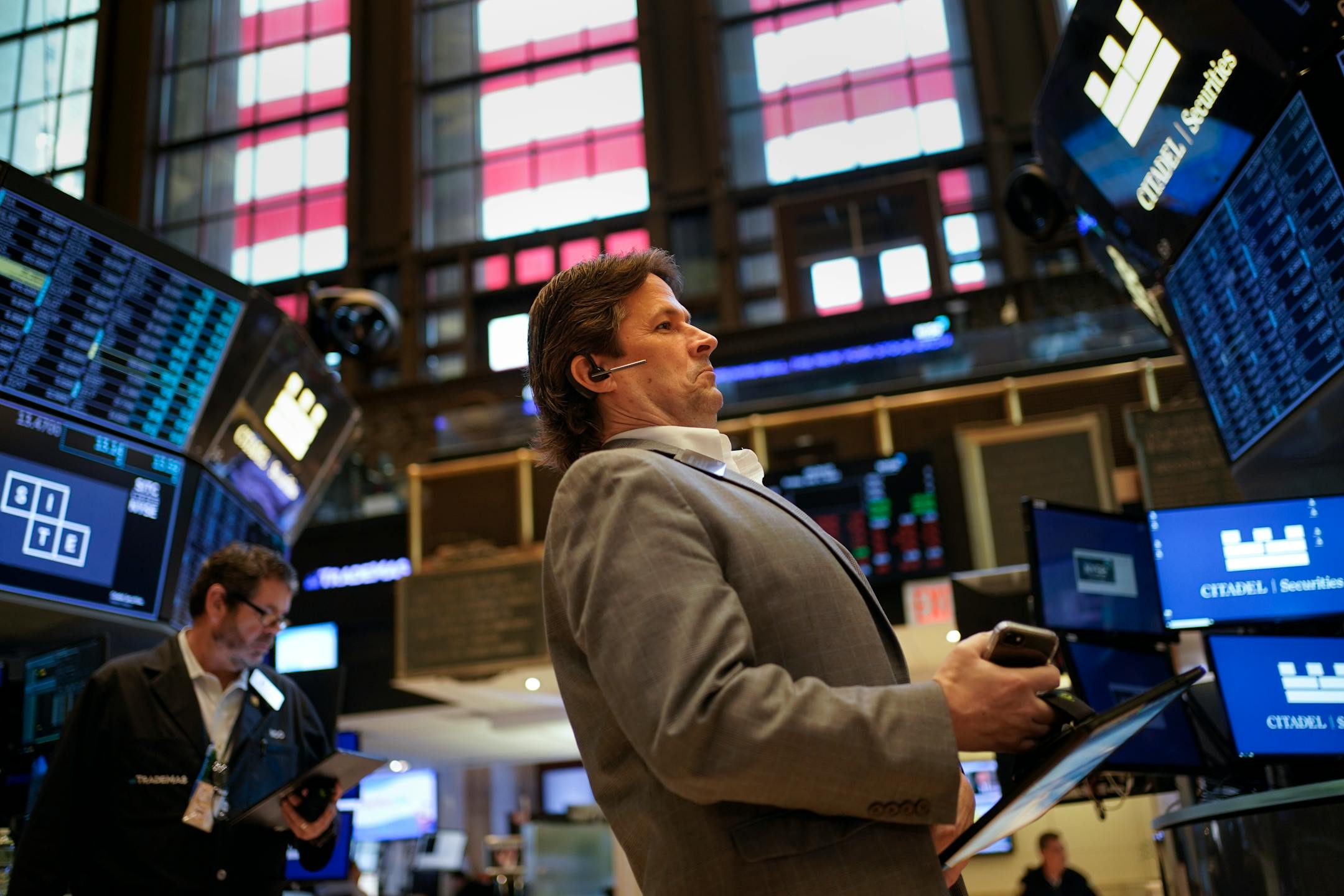
In 2022, stock investors suffered their worst start to a year since 1970, with the S&P 500 falling 21% during the first half of 2022. The widely tracked stock market index fell into bear market territory on June 13 after closing more than 20% below its high reached in early January.
The market has since recovered slightly, but for investors, there's been no shortage of things to worry about. Rising interest rates, high inflation, the war in Ukraine and a possible recession are just some of the risk factors that markets have focused on this year.
After the tumble into bear market territory, stock investors are trying to gauge how much lower prices may fall or if the worst is behind them. While no one can answer those questions definitively, looking at past bear markets may offer clues about how this one may unfold.
Lessons from every bear market since 1929
Looking at data from the past century may provide hints about what to expect going forward.
The average bear market since 1929 has resulted in a roughly 37% decline in the S&P 500 and it has taken an average of 344 days for the market to reach its bear market bottom.
If these averages were to play out in this bear market, investors could expect the S&P 500 to fall to about 3,017, or a roughly 22% decline from mid-July levels. The average duration from peak to trough would mean the market could bottom in mid-December 2022, based on its peak of Jan. 3, 2022.
But it can be difficult to draw precise conclusions from history. What seem like obvious problems today may not be what matters most six months or a year from now.


