

When Vladimir Putin invaded Ukraine, I think it's fair to say that most observers expected him to get away with it. Surely Russia's huge military would take Kyiv and other major cities within a few days; surely the West would respond with its usual timidity, giving Russia no more than a minor slap on the wrist.
Instead, here we are, 13 days in, with Kyiv and Kharkiv still standing and invading forces bogged down by fierce Ukrainian resistance (helped by a rapid influx of Western weapons) and disastrous logistical problems. At the same time, Western sanctions on the Russian economy are clearly already having severe effects and may get even stronger.
Obviously all this could change: Russian forces could regroup and resume the offensive; weak-kneed Western governments could start lifting sanctions. For now, however, Putin is facing far worse consequences than he could have imagined.
Unfortunately, standing up to aggression doesn't come free. Events in Ukraine and Russia will, in particular, impose serious costs on the world economy. The question is, how serious?
My tentative answer is that it will be bad, but not catastrophic. Specifically, the Putin shock seems unlikely to be nearly as bad as the oil shocks that roiled the world economy in the 1970s.
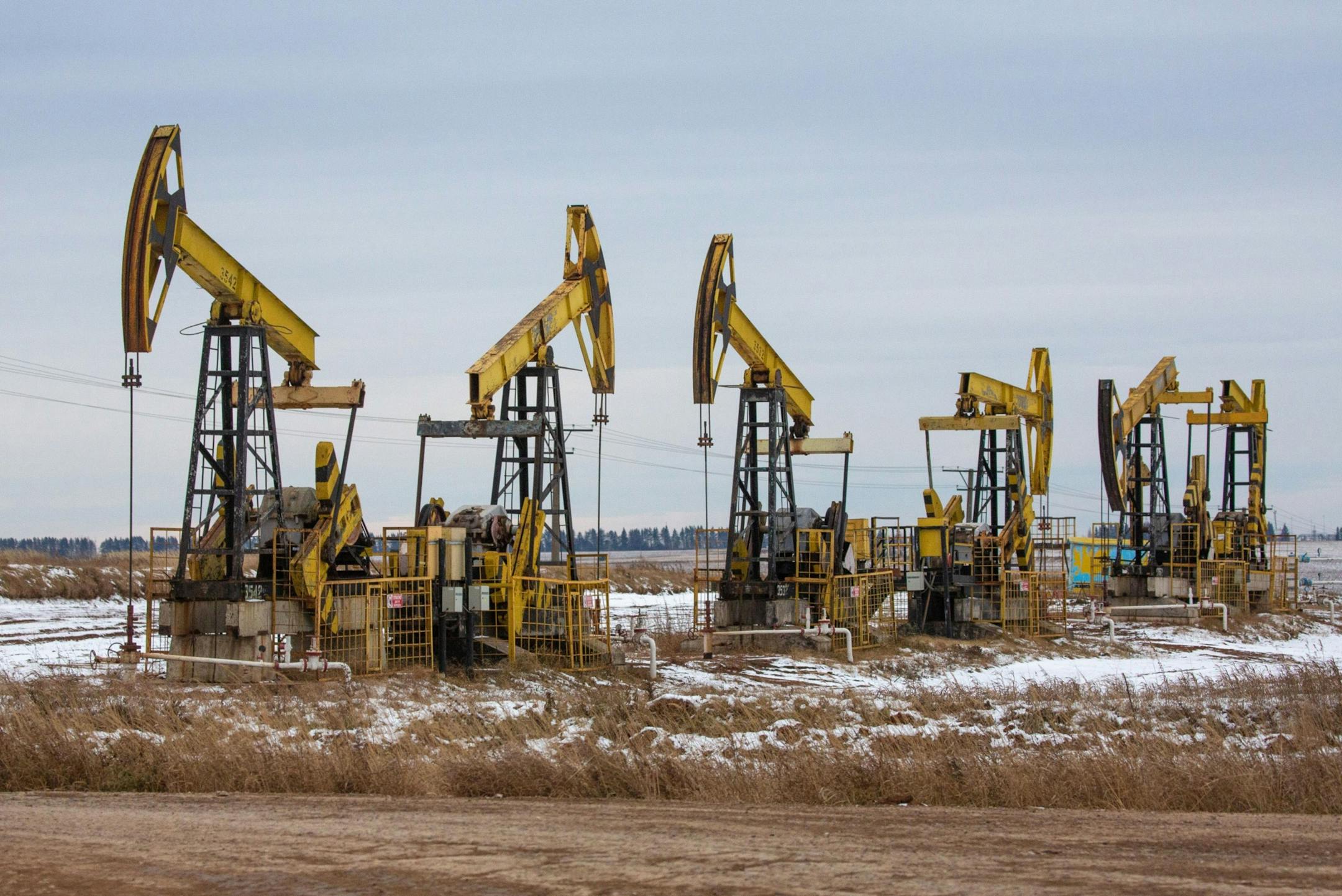
As in the 1970s, the blow to the world economy is coming from commodity prices. Russia is a major exporter of oil and natural gas; both Russia and Ukraine are — or were — major exporters of wheat. So the war is having a big impact on both energy and food prices.
Start with energy. So far, the sanctions being applied by Europe against Russia conspicuously don't apply to oil and gas exports; the U.S. is banning oil imports from Russia, but this won't matter that much, because America can buy and Russia can sell elsewhere. Markets are nonetheless reacting as if supplies are going to be disrupted, either by future sanctions or because global energy companies, fearing a public backlash, are "self-sanctioning" their purchases of Russian crude. Indeed, Shell, which bought Russian oil at a discount the other day, has apologized and says it won't do it again.
As a result, the real, inflation-adjusted price of oil has shot up almost to the level it hit during the Iranian revolution in 1979.


