

Opinion editor's note: Star Tribune Opinion publishes a mix of national and local commentaries online and in print each day. To contribute, click here.
•••
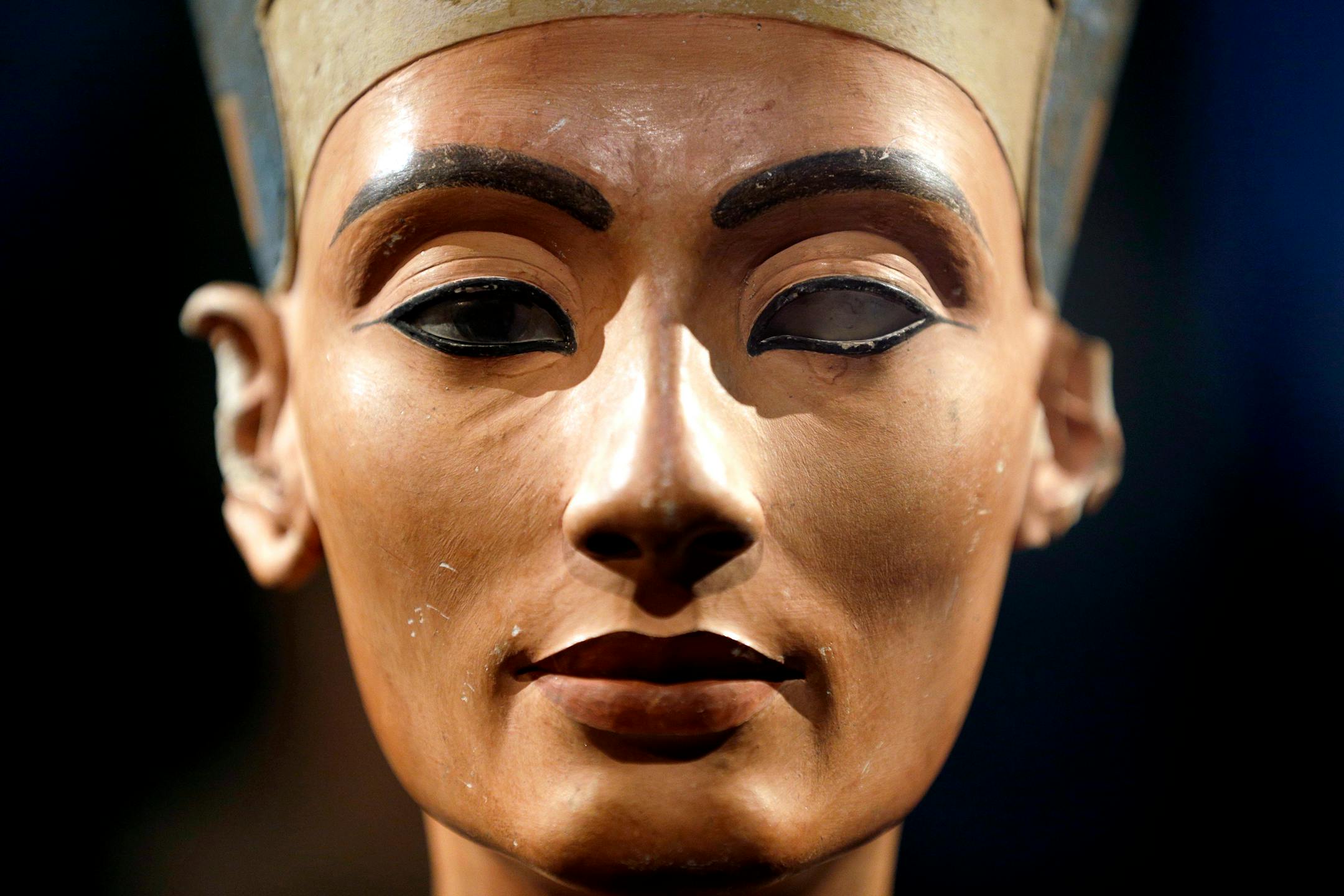
Coming of age as a Muslim with Lebanese and Egyptian heritage in the U.K., I was in constant pursuit of connections to my ethnic identity. Against a social backdrop that othered my family and me, I was drawn to Queen Nefertiti's distinctive cat-eye. The ancient Egyptian queen and her lined eyes connected me to a constellation of beguiling non Western women, including my ancestors; she sparked my interest in kohl, the earliest iteration of eyeliner.
In searching for eyeliner's meaning in history, I discovered that this simple cosmetic holds stories of profound cultural significance — and even rebellion. I encountered figures and practices beyond those I knew from Western music and film. I observed the pigment in the Arab world's deserts and the savannas of Africa, Iran's hair salons, and the alleyways of Tokyo. I found it on the faces of Indian storytellers and Palestinian activists, and in the Mexican American chola community.
To minorities and people of color, eyeliner transcends aesthetics. Starting in ancient Egypt, this ubiquitous object has been used for myriad purposes. It has shielded eyes from the sun, cured eye infections, warded off evil spirits and honored the gods. I considered kohl my most important makeup item in that it offered protection. For me, it symbolized a rejection of Eurocentric beauty norms and was a celebration of my culture.
During my research, I was drawn to Mexican American women who also wield eyeliner as a tool connecting them to their heritage. The chola aesthetic — featuring bold wings, lip liner, hoop earrings, nameplate necklaces and acrylics, among other attributes — has roots in the Pachuca style of the 1940s. Pachucas were Mexican American women who challenged norms of femininity within their own community and the broader American milieu; some expressed their defiance by wearing zoot suits, pompadours and dark lipstick.
The aesthetic was partly a response to the discrimination Mexican Americans faced before, during and after the Zoot Suit Riots. Over time, the look evolved into the chola style, which was also influenced by socio-political changes, urban culture (particularly in the barrios of Los Angeles) and broader fashion trends. Eyeliner consequently became an instrument that asserted Mexican identity in the face of the pressure to "assimilate" in the U.S.
Meanwhile, media portrayals erroneously associated the aesthetic with gang culture, bolstering harmful stereotypes. Over the years, many elements of chola style have been appropriated without proper acknowledgement of its cultural significance — see, for example, Gwen Stefani in her "Luxurious" music video.


