It is a capitalist country, but it is dominated by state-owned enterprises; it is an oil giant, but it eschews conspicuous consumption.
For decades, this unusual economic model has served Norway well. However, the model is beginning to run out of fuel.
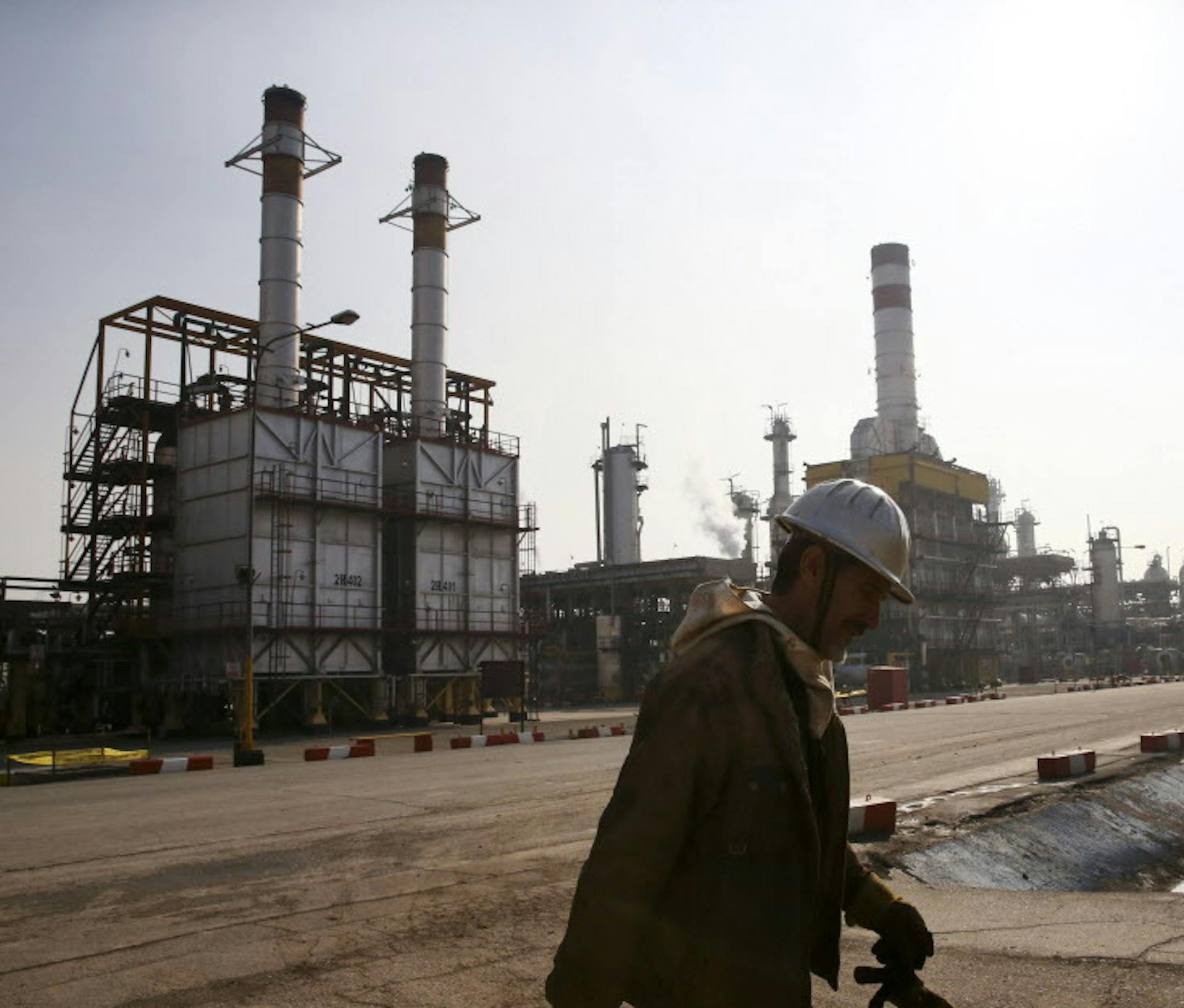
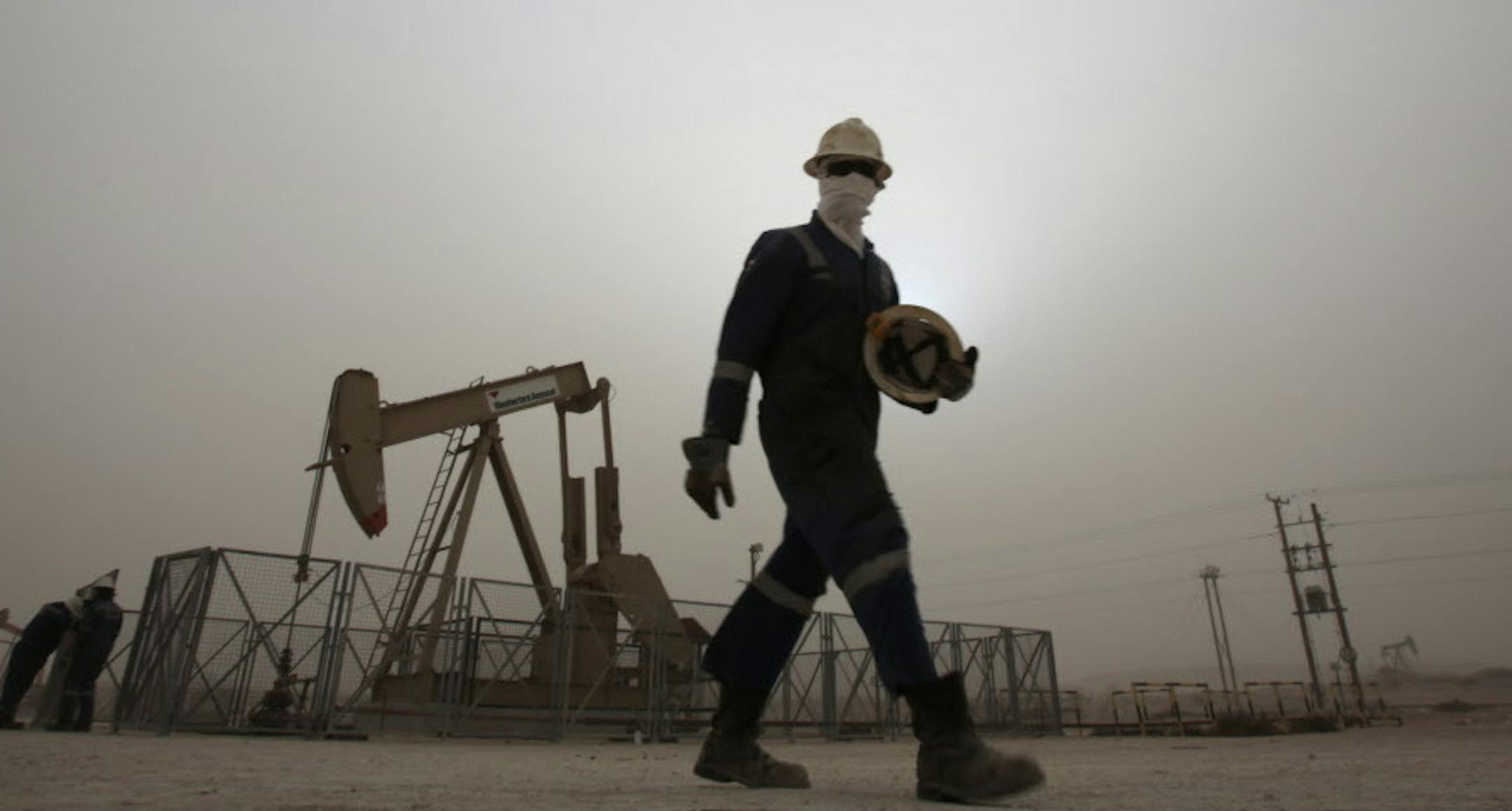
Norway's rise to glory began when the first oil was extracted from its continental shelf in 1971. The energy industry sent ripples of prosperity throughout the economy, turning Bergen from a fishing village into an industrial hub, creating companies that specialized in extracting hydrocarbons from beneath a stormy sea and filling hotels with oil workers.
The ripples got ever bigger as the oil price lurched upward from $10 a barrel in the late 1990s to almost $150 in 2008. Oil and gas now account for about a quarter of Norway's GDP and almost half of its exports.
But the recent fall in the oil price to around $50 has put this into reverse. Statoil, the national oil company, has seen its profits and share price plunge. Oil firms have laid off 10 percent of their workforce and may lay off another 20 percent. Just as worrying for a country that excels at producing equipment for extracting oil from deep beneath the sea is the rise of a fracking industry that uses different technology to blast oil and gas out of shale beds.
The oil bust is exposing two weaknesses in the Norwegian model.
One is bureaucratization, born of Norway's enthusiastic embrace of state capitalism. The government owns about 40 percent of the stock market, with large stakes in Telenor, a big telecom operator; Norsk Hydro, an aluminum producer; Yara, a fertilizer-maker; and DNB, a bank, as well as Statoil. That leads to a monochromatic corporate culture. The Norwegians like to boast that they lead the world in corporate diversity because firms are legally obliged to reserve 40 percent of board seats for women. But sexual balance does not make up for cultural uniformity: many of the country's most senior businesspeople studied together at the Norwegian School of Economics, and still live in each other's pockets.
The second weakness is the overripe welfare state. The public sector employs 33 percent of the workforce in Norway, compared with an average of 19 percent for the OECD countries. The state is undermining the work ethic: most people enjoy a 37-hour working week, and three-day weekends are common.