

With the breakdown of U.S. fiscal relief talks on Tuesday, the timeline for a robust economic recovery might now be an early 2021 story. By that point the distribution of vaccines for the coronavirus might be underway, and an election win by Democratic presidential nominee Joe Biden, which looks increasingly likely, could usher in the kind of fiscal relief package that Republicans have blocked.
The issue for the economy is avoiding permanent scarring for a few more months. While fierce headwinds remain, there does appear to be enough momentum for the economy to continue on at least a slow recovery path until we have the tools to undo more of the damage that's occurred since the onset of the pandemic.
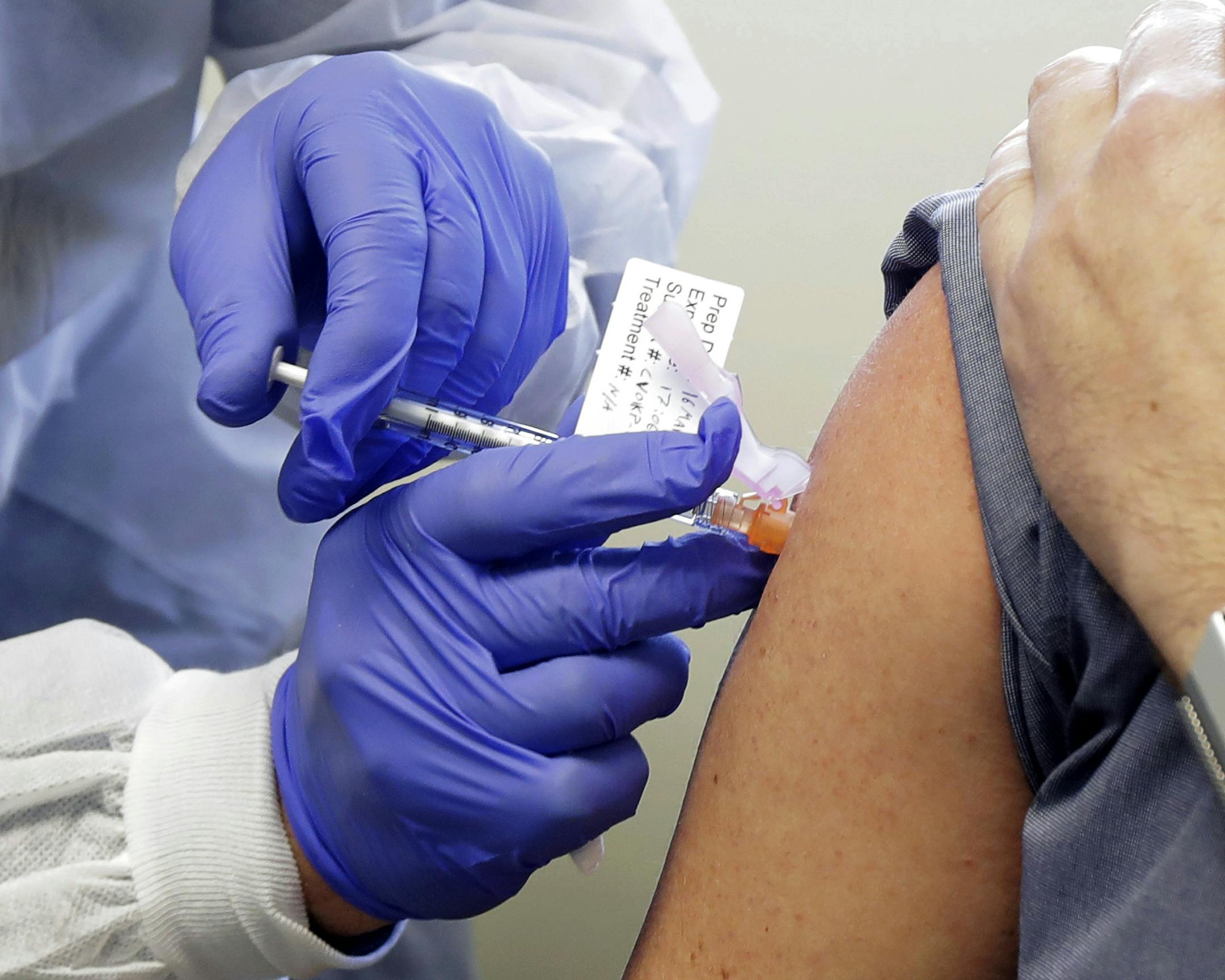
The extent to which vaccines and fiscal stimulus boost the economy in January or February is unknowable, but the timeline looks plausible. The U.S. Food and Drug Administration has said it wants two months of safety data for vaccine candidates before considering giving emergency use authorization for a vaccine. With five vaccine candidates in the U.S. in advanced phase three trials — two since late July — that would mean the earliest we'd start to see limited vaccine deployment is near the end of the year.
And if President Donald Trump or Senate Majority Leader Mitch McConnell hold up fiscal relief before the election, then it might require a Democratic electoral sweep and the inauguration of a new administration in late January for Congress to provide the kind of comprehensive fiscal stimulus that will accelerate the recovery.
The issue is getting to that point without the economy backsliding or suffering the kind of enduring damage that could set back recovery for years.
The good news is that as we enter October, the private sector continues to show steady momentum. Last week's jobs report showed that hours worked by private sector employees accelerated slightly in September from August, and have grown at around 1% sequentially for three consecutive months.
The housing market remains strong, with buyer demand steady and inventories continuing to decline. Rising home prices and an advancing stock market continue to lead to greater household wealth, even with millions of households and small businesses still struggling. Manufacturing surveys point to at least a short-term increase in demand and production as businesses restock inventories that have been depleted the past several months.
And as we saw in the August personal income and personal spending data, the personal saving rate, which has been elevated since the onset of the pandemic, can act as a cushion for spending even if household incomes stagnate or decline. Personal income fell by 2.7% in August as some of the aid passed by Congress in the Cares Act expired. Despite that decline, personal spending grew by 1.0%. The net impact is that the personal saving rate fell to 14.1% in August from 17.7% in July, compared to a pre-pandemic normal range of 6% to 8%. This dynamic might not be sustainable, but given its elevated level, it could last for several more months.


