

The United States is one of the richest societies on earth — but one with more than its share of poverty. While American capitalism has done wonders to raise living standards for the great majority of people, it has left millions out of this prosperity.
Whether our failure deserves sustained national attention is at the heart of the current debate over social insurance policy. Sen. Joe Manchin, D-W.Va., drew cheers from conservatives when he declared, "I don't believe that we should turn our society into an entitlement society."
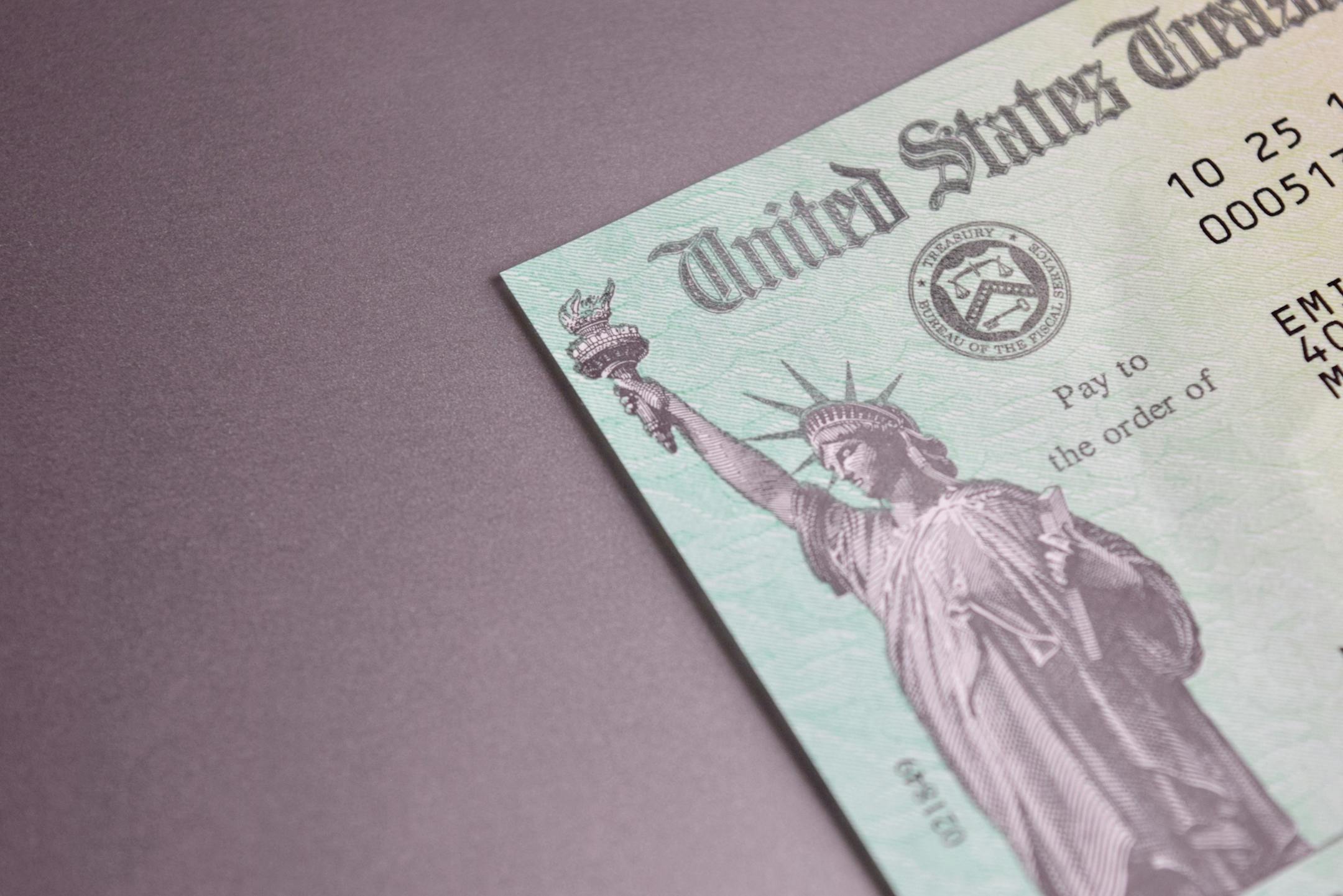
Among the new programs he had in mind is the expansion of the federal child tax credit, part of last year's COVID-19 relief package. The IRS is now sending monthly checks to the families of some 60 million children, in amounts ranging from $300 for each child age 6 or younger to $250 for older ones, up to age 18.
The rationale is that it's a bad thing for kids to be poor and that the simplest, most efficient way to prevent it is to give their parents regular, reliable supplements of money. Conservatives had no problem with this policy when the full benefit went only to parents with substantial incomes — $37,100 or more for a married couple with two children. The poorest families were largely or entirely left out. That treatment was supposed to motivate them to get off their duffs and find a job.
The new version extends the help not only to those at the bottom of the income scale but to just about everyone. That policy has drawn conservative criticism because it doesn't demand paid employment from recipients. This feature, we are told, will cost too much money and encourage idleness.
Manchin is mistaken about the choice we face. The United States has long been an entitlement society, with the government operating a variety of social insurance programs to lessen hardship. That was the idea behind Social Security, Medicare, Medicaid, unemployment insurance, food stamps and the original child tax credit.
But while we spend a lot of money on our social safety net, it has too many holes. We have one of the highest rates of child poverty among industrialized democracies — nearly double those in Canada, Germany and France.
That is tragic for two reasons. First, it deprives certain Americans who are poor through no fault of their own — namely, children. Second, this deprivation does lasting harm. A 2019 report by the National Academy of Sciences noted "significant associations between poverty and poor child outcomes" — such as "maltreatment, material hardship, impaired physical health, low birthweight, structural changes in brain development, and mental health problems."


