

I grew up with the Minnesota Orchestra in the 1980s and '90s. It was an event for me to attend the concerts at the Ordway Theater in St. Paul and Orchestra Hall in Minneapolis. This was the center of my musical universe as a burgeoning pianist. I felt the aura of classical music's stars every few weeks when my parents — who had fled the Soviet Union in 1975 — announced that we were going to a concert. Dressing up in a suit at the age of 8 made me feel important, and I began to understand the art of hobnobbing during intermission.
After a couple of years at conservatory in New York, I realized the world didn't need another concert pianist, and I moved back to Minnesota. After graduating from Macalester College, I received a research grant from William F. Buckley Jr. and soon found myself back in New York advising some of the most important international performing arts institutions.
For more than a year I have watched with tremendous sadness the struggle between management and players. Not a mayor, governor or even a distinguished former senator respected for his role in the Northern Ireland peace process have been able to resolve it. We're far beyond the blame game, and I feel it is time for the Minnesota Orchestra to be taken off life support so it can rise in a different form.
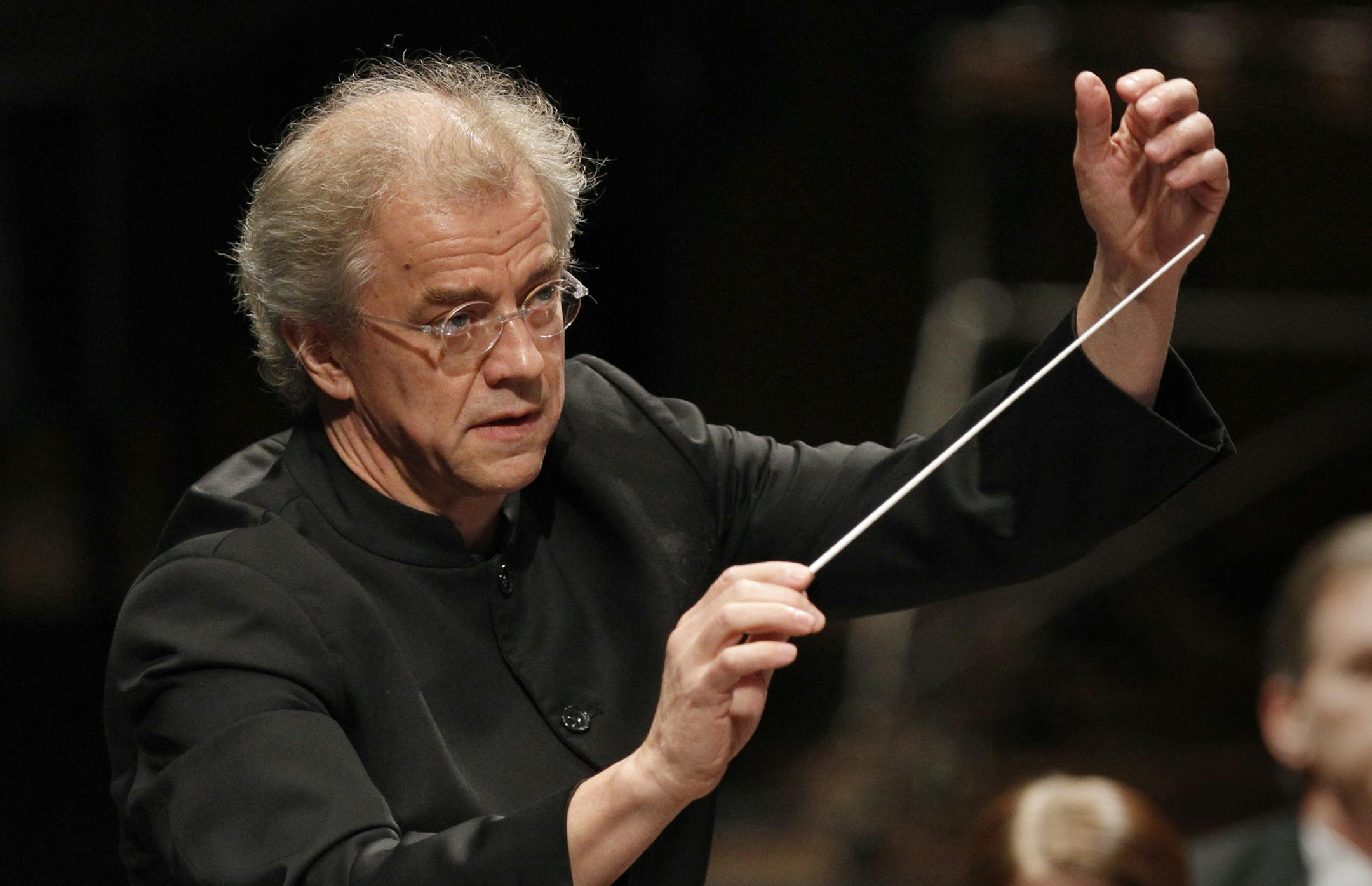
Music Director Osmo Vänskä's resignation on Tuesday represented the fraying of the soul in the body of the orchestra. What is left is the virtuoso ensemble that forms the bedrock of the Minnesota Orchestral Association, an institution founded 110 years ago next month. The orchestra, known as the Minneapolis Symphony in its early days, was to celebrate its birthday at now-canceled Carnegie Hall concerts.
The musicians of the Minnesota Orchestra are forgetting several important things: 1) They make the music. 2) They create the experience. 3) What matters to the people is, simply put, the musical experience. This dispute has hit the culture-rich community of the Twin Cities hard because the art form itself has been lost in the blame game. The musicians must rise above this and remember that the power to make history is in their hands, literally and figuratively.
Here's how the musicians make history:
Follow Maestro Vänskä's lead and resign from the Minnesota Orchestral Association. Immediately announce the creation of the Minnesota Symphony, a self-governing orchestra modeled on the Vienna Philharmonic. Find a charitable organization to give temporary use of its tax status (while you establish a new nonprofit) so you can receive donations from foundations and corporations and from your audience. Govern yourselves, and assign responsibilities to yourselves. Make history by setting an example for other orchestras to follow, and end the labor-management paradigm that leads to these kinds of disputes.
The economics will depend on the operation you establish. Here's one scenario:


