

Donald Trump may have won the most unlikely presidential election victory in U.S. history. But no one has ever taken a longer, more treacherous road to the White House than Joe Biden. If he should win, he will confirm that in American politics, nothing is ever final.
He arrived in the U.S. Senate barely old enough to meet the constitutional age requirement of 30. He had eked out a long-shot victory over an incumbent Republican in 1972, even as the GOP presidential nominee, Richard Nixon, carried 49 states.
Biden's Senate career nearly ended before it began. His wife and year-old daughter died in an auto accident just weeks after his election. Consumed by grief and fearful of being away from his two young sons, who were injured in the crash, Biden decided to quit before taking office. His fellow Democratic senators finally persuaded him to "give it six months."
Initially, he had no enthusiasm for his new responsibilities. "I did what was necessary and no more," he wrote in his autobiography. "I later learned that staffers from other offices were laying bets: How long would Biden last in the job?"
His youth and views rankled some older senators, including a crusty Southerner who said: "They tell me you're the youngest man in the history of America ever elected to the U.S. Senate. Y'all keep making speeches like you made today and you gonna be the youngest one-term senator in the history of America."
Biden remarried, happily, and during his Senate years, he grew from the brash upstart to the respected veteran, chairing the Judiciary committee and the Foreign Relations committee. In 1987, he ran the confirmation hearings of Supreme Court nominee Robert Bork and was instrumental in Bork's defeat.
Biden, reported the New York Times at the time, "earned praise from all sides for the fairness and good humor with which he ran the proceedings. He also scored high points on substance in the face of widespread skepticism about whether he had the intellectual depth or the temperament to preside over hearings that promised to turn into a profound constitutional debate."
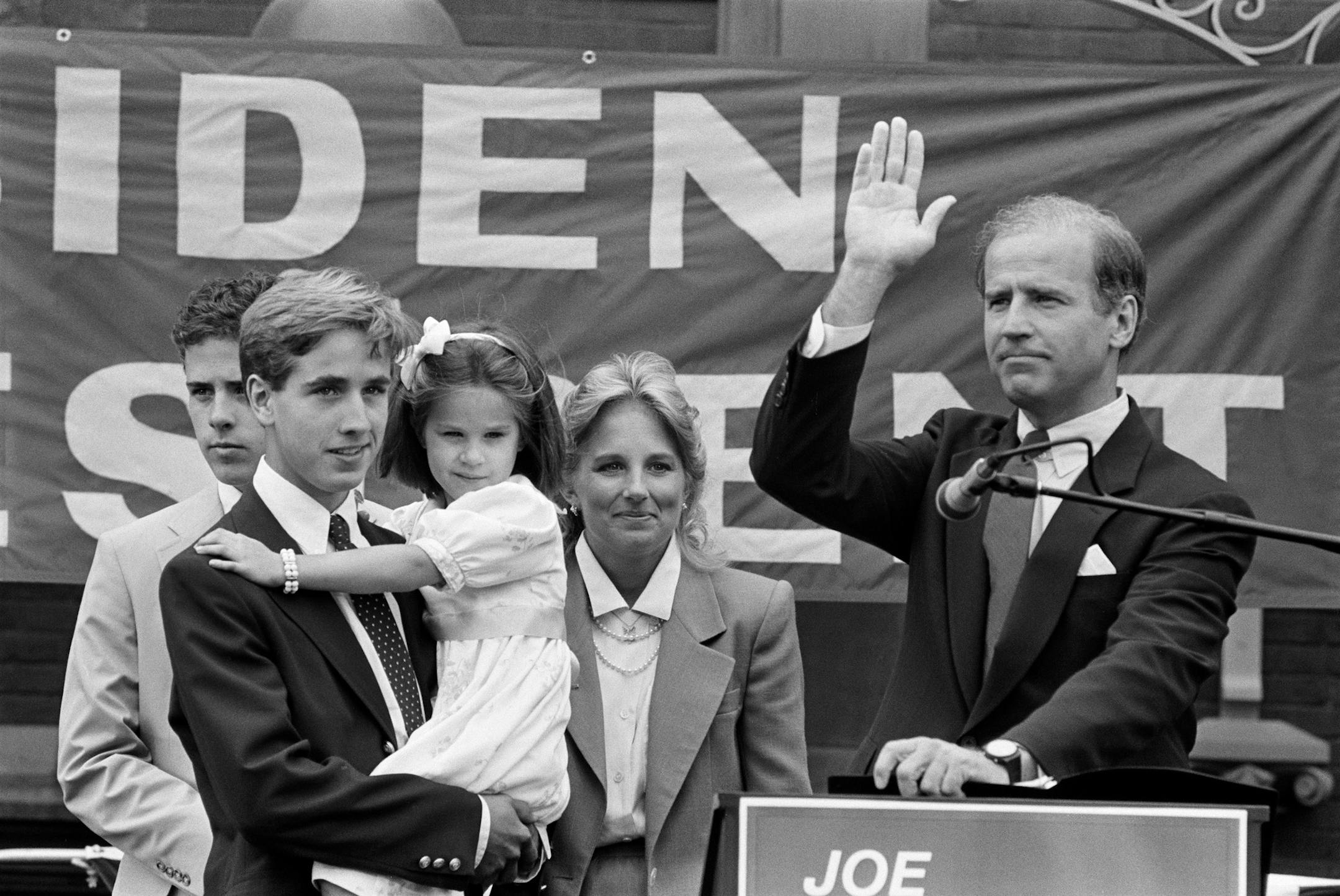
It was a performance that might have set up a presidential run — except that it came after Biden had entered the 1988 race and quit after being exposed for plagiarism in a law school paper and a campaign speech. It was a disaster that might have doomed his chances of re-election. If that weren't enough, he nearly died of two brain aneurysms in 1988.


