

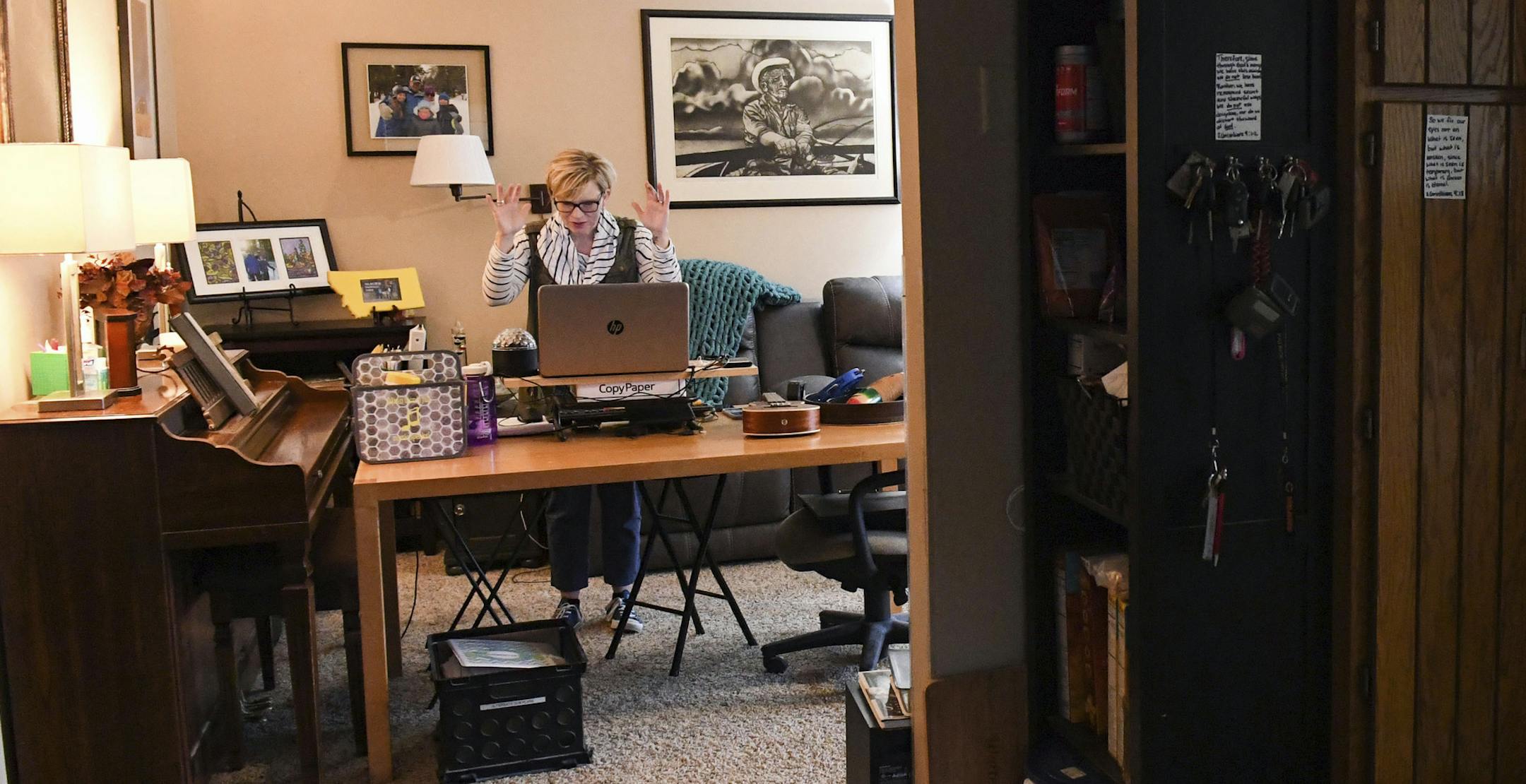
It is the end of the workplace as we know it. In-person meetings have been replaced by Zoom (and Teams, and Hangouts and [insert platform here]).
For many of us, this has increased our productivity and helped us maintain continuity in our workplaces. These platforms have helped us stay in sync with our colleagues and continue to seamlessly move along whatever work we have.
As a result, however, our already fragile work-life balance is jeopardized. We sit down at the kitchen table and hold a staff meeting. We transition to a sales pitch, then give the kids lunch. We prepare an account review, and then we prepare dinner and bedtime. And then we go back to work, at the kitchen table.
The walls between work and home vanish.
After the pandemic is behind us, we hope this will slowly, but surely, blur back into a subtle firewall between home life and work life. And yet, these ubiquitous platform meetings come with a much graver hazard and will have changed us.
At the core of these platforms is a different experience than meeting in person. First, our core interaction is different. We invite people into our homes — a level of intimacy we do not often share with the majority of our co-workers. And that intimacy intensifies the exchange.
What's more, we spend our days staring directly — up close — into the faces of everyone with whom we meet, and sometimes many at once. We invest energy in being "TV-ready" (even if that means pajama pants with a blouse or dress-shirt and tie).
These high-definition, close-up meetings lead us to notice many of our own and others' "imperfections." Crooked teeth, blemishes, cracked lips, ruffled hair, rough stubble — general "dishevelry."


