

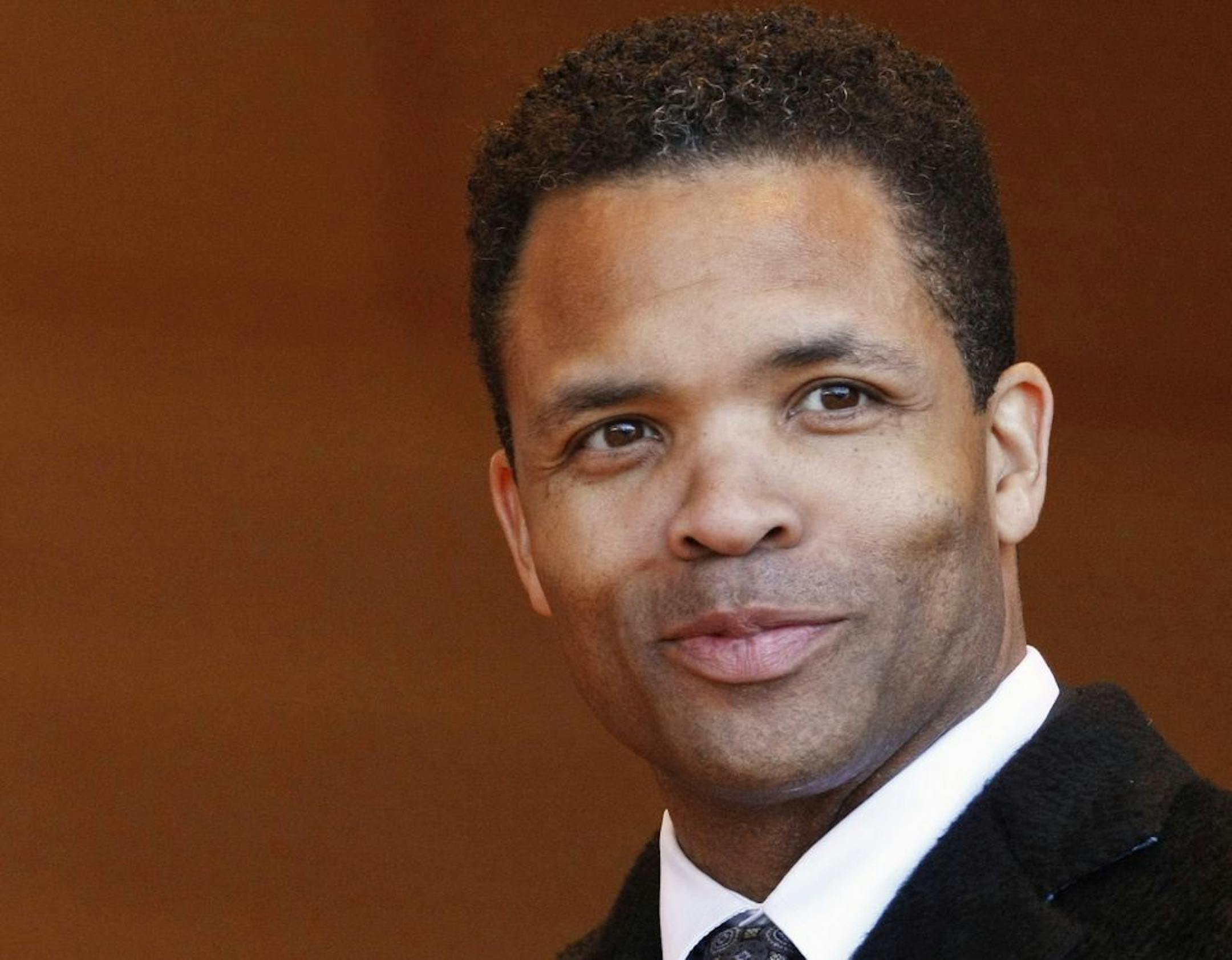
The months-long drama surrounding former Rep. Jesse Jackson Jr. has moved into its final act.
While the nation ponders the State of the Union address delivered by one Chicago politician who rose to become the 44th president, another of the city's former rising political stars is facing potential prison time. The contrast is stark, compelling - and tragic.
Jackson has reportedly made a deal with investigators who were looking into allegations that he misused campaign funds for personal items, a felony offense. News reports estimate that hundreds of thousands of dollars were misappropriated that will have to be paid back. Most catastrophic is the possibility that he could receive as much as five years in prison.
Regardless of the final outcome, a once-promising career has come to a bitter end. Congress has lost the voice of one of its most progressive members. So has the nation.
The oldest son of civil rights icon and ex-presidential aspirant the Rev. Jesse Jackson, the younger Jackson in many ways represented the next generation of black leaders who not only embraced a civil rights agenda but many other issues and concerns.
During his 17-year tenure in the House of Representatives, Jackson fought the Bush tax cuts, spoke out against the war in Iraq, and argued for expanding voting rights and access to the ballot.
Considered by some as brash, he did not hesitate to go against the majority of the Congressional Black Caucus when he felt an important principle was involved, such as the time he opposed the African Growth and Opportunity Act. Though it was supported overwhelmingly by other black members and then-President Clinton, Jackson saw it as harmful for Africa's development.
His last campaign as a member of Congress was to push for an increase in the minimum wage that would raise it to $10 per hour. There are few current members in Congress who staked their political life on fighting for the poor and working class. Jesse Jackson Jr. was chief among them.


