

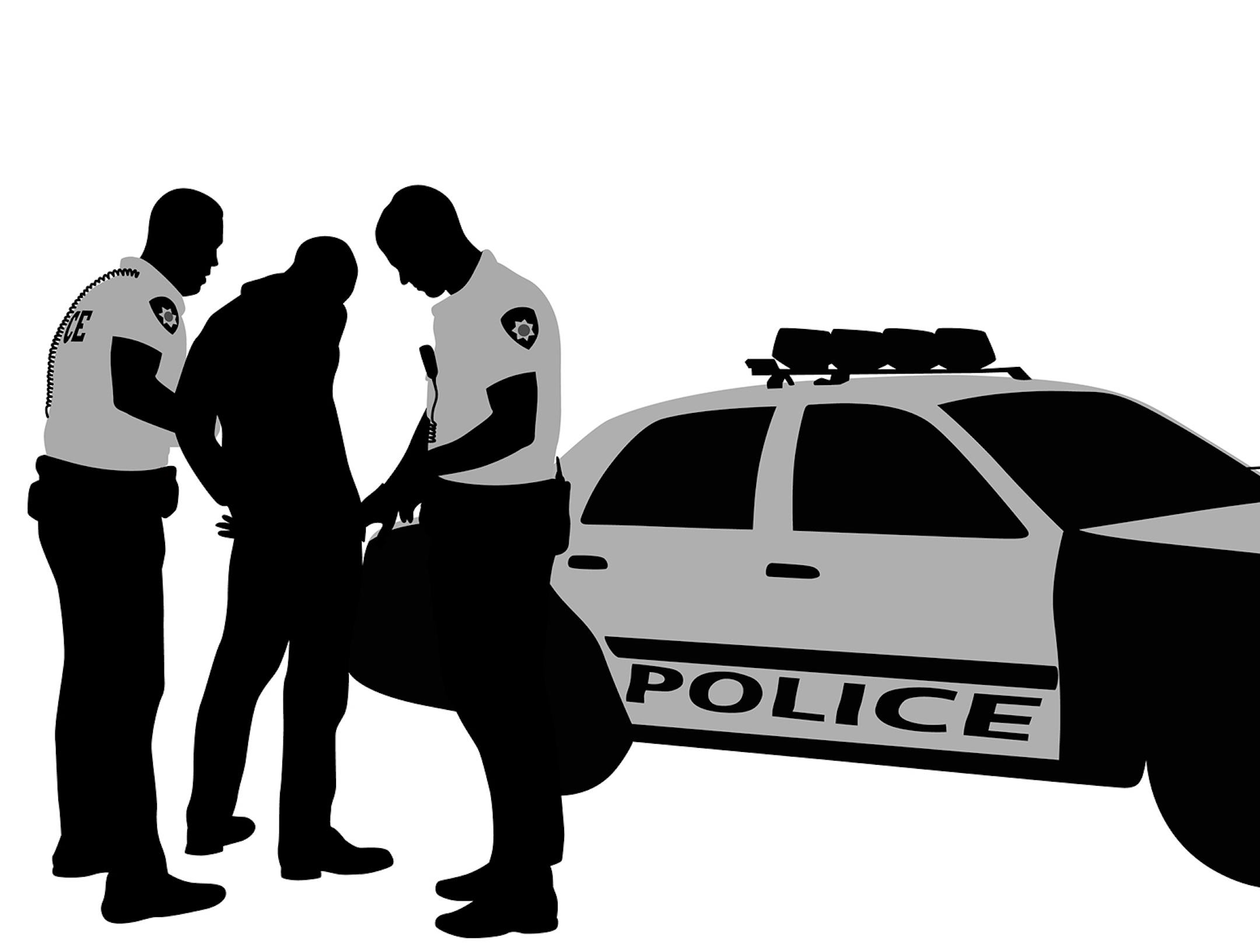
The Star Tribune would have better served its readers and the community if its traffic stops cover story ("St. Paul records show black drivers stopped more often," Dec. 15) had ventured further beyond the "cops are biased" narrative and explored the legitimate reasons for the disparity. This is especially the case considering that the country's leading expert on this issue, scholar Heather Mac Donald, was in town this month meeting with the Star Tribune Editorial Board and community leaders, and speaking at a public forum attended by more than 400, including 150 cops.
At the forum Mac Donald discussed her research findings published in her book, "The War on Cops: How the New Attack on Law and Order Makes Everyone Less Safe." Here's the key message she delivered:
"The relevant benchmark for all policing activities is crime, not population. Policing today is data driven, the police go where people are being victimized and they go where the community is asking for help, and that means, unfortunately, given crime disparities in this country, policing is going to be heaviest in minority neighborhoods.
"Cops are being told by the media, by vast swaths of academia, and by the activists, that they are racists for engaging in pedestrian stops in minority neighborhoods or enforcing those low level public order offences known as "broken windows" policing, that that is racially oppressive. They are encountering this hatred and as a result they are doing less of that type of discretionary, proactive policing. They are running to 911 calls but there is a vast universe of discretionary policing that they don't have to do between 911 calls and a lot of cops are deciding it's not worth it."
Mac Donald says we've been talking about a phantom problem of police racism and ignoring the more difficult and uncomfortable truth of greatly elevated rates of inner-city crime. High crime in minority neighborhoods leads to more police engagement and more encounters. Yet while 12 percent of all whites and Hispanics who die of homicide are killed by a cop, only 4 percent of black homicide victims are killed by a cop.
Everything the public thinks it knows about race, crime, policing, and shootings from the Black Lives Matter movement is exactly wrong.
Time after time the media and activists compare policing actions to population data instead of crime rates, and is silent on legitimate reasons for the disparities.
First, there is no magic principle guaranteeing that all racial groups speed, obey the law, or drive without a license or insurance at the same rates.


