

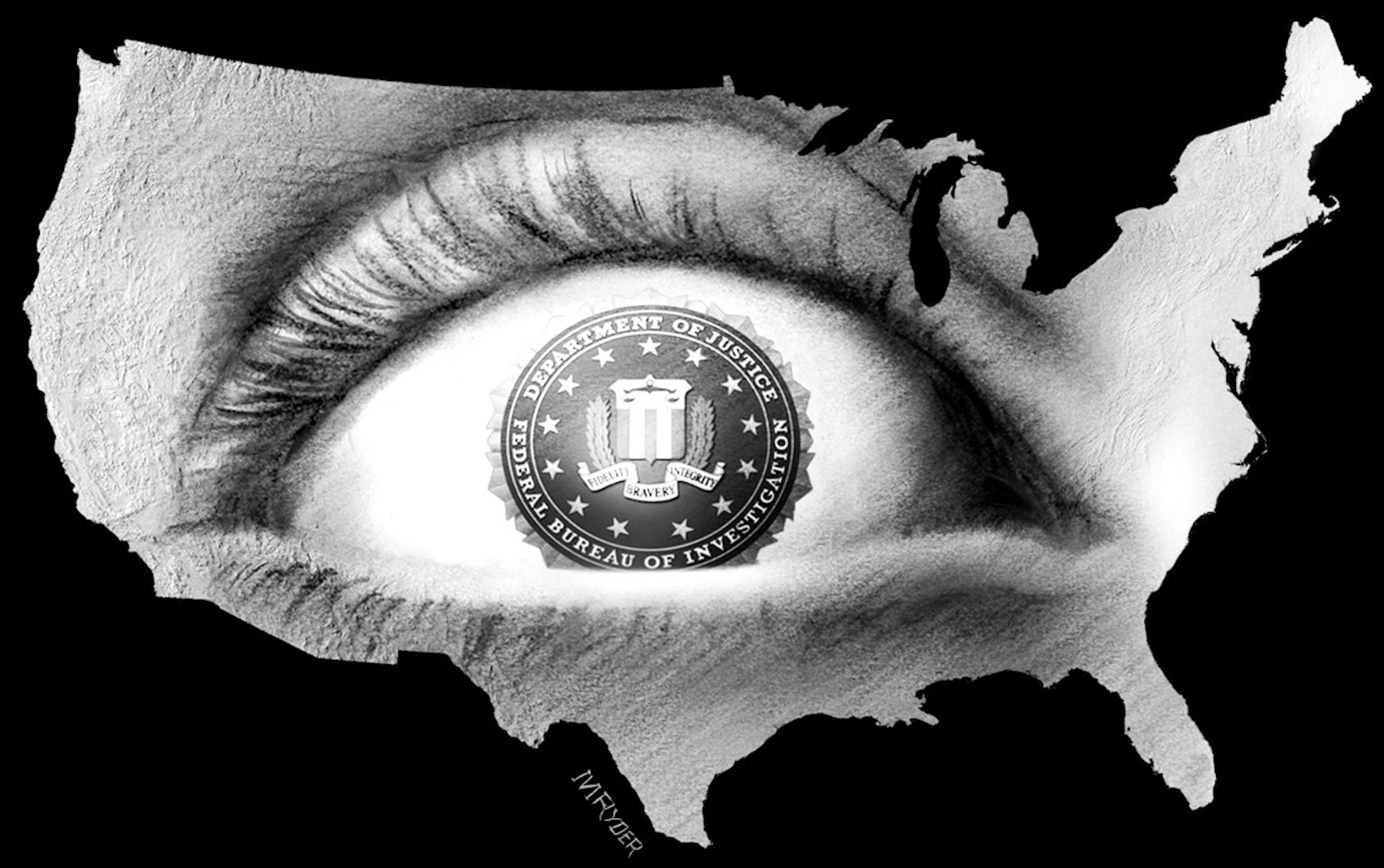
In "Cameras quietly capture plates" (Aug. 10), the Star Tribune shed light on several ongoing city, county and state data collection programs that use small, squad-mounted cameras to "scan thousands of license plates and pinpoint -- in real time -- stolen vehicles, suspended drivers and criminals." The cameras "record the time, date and location of every car they see and store the information."
In Minneapolis, the cameras had already captured information on 4.9 million plates in 2012. In the absence of state law or administrative rule, law enforcement departments have complete discretion as to how long they store the collected data. The State Patrol erases data after 48 hours; the St. Paul police after 14 days. The Minneapolis Police Department has seen fit to store data for a year before expungement.
Currently, the state Data Practices Act classifies the data as public; it can be requested by anyone. When a Star Tribune reporter sought data on his own license plate, the department "responded with a list of dates, times and coordinates of his car that illustrated his daily routine," including late-night visits to a friend's house in Uptown.
Now, as a general rule, I'm hyperbolic only in pubs and legal briefs, so I won't trot out overreaching analogies to Huxley or Orwell. And it's also not my province to make an angry fuss (unless the fish is bad). And yet, a fuss there must be.
If the state and federal constitutions have more meaning than fiddlesticks -- and I suggest they do -- then they must be brought to bear upon unchecked data collection practices that track and store information on citizens. As an alternative, legislative reform must correct the obvious problem.
As it happens the U.S. Supreme Court recently decided, in United States vs. Jones, whether the government's installation of a GPS tracking device on a vehicle and its subsequent monitoring of the vehicle's movements -- all without a warrant -- offended the Fourth Amendment's ban on unreasonable searches.
Government agents had installed a GPS tracking device on the undercarriage of a Jeep while it was parked in a public lot. Over the next 28 days, the government used the device to monitor the vehicle's movements to within 50 to 100 feet. The data collected helped convict Jones, the suspect, of very serious drug charges. Jones' conviction was overturned by an appeals court due to the admission of the evidence gained by warrantless use of the GPS device. The Supreme Court agreed unanimously.
Interestingly, the majority opinion drafted by Justice Antonin Scalia is based not on the obvious interests of privacy involved, but on the simple physical intrusion of installing the GPS device on the vehicle. Because the decision held that the physical installation of the device was an unjustifiable warrantless "search," there was no need to analyze the issue further to decide the case on a privacy-based theory.


