

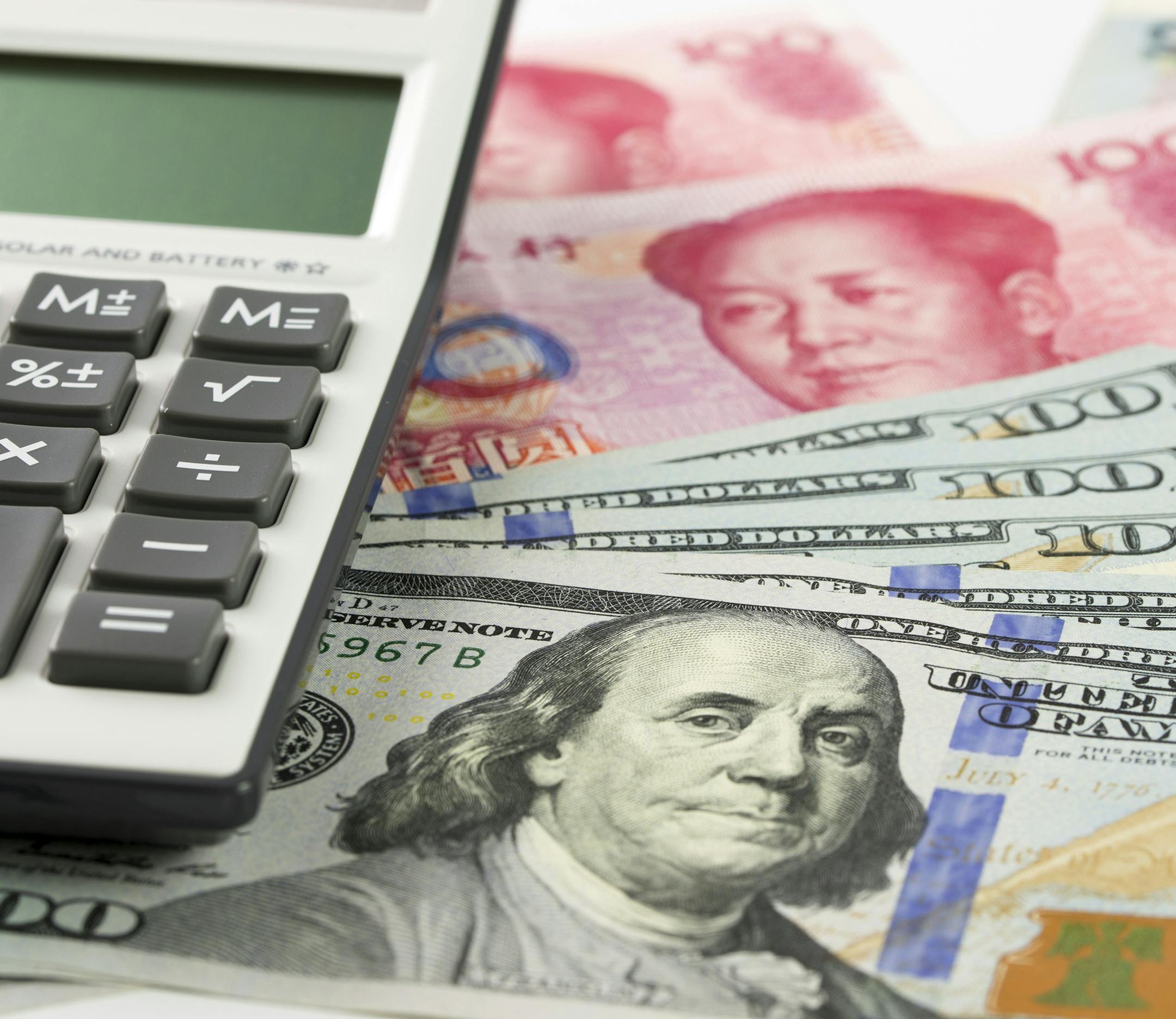
The 2016 U.S. presidential election may succeed where the world's central banks have failed, but not as they would wish: in bringing back inflation through protectionism.
One of the most striking aspects of the election campaign is the way in which Donald Trump and Bernie Sanders are attracting support by attacking trade deals they see as robbing Americans of jobs and wages on unfair terms.
Not only has Trump called for a 45 percent tariff on all imports from China, but Bernie Sanders, speaking last week at a debate in Flint, Mich., said current trade policy was responsible for "Not only job loss by the millions, but a race to the bottom so that new jobs in manufacturing in some cases pay 50 percent less than they did 20 years ago. How stupid is that trade policy?"
Even Hillary Clinton sounded very little like an advocate of free trade in Flint, stressing that she had voted against the only trade pact to come to a vote in her time in the Senate and had come out against the proposed Trans-Pacific Partnership agreement. To put this sea-change in perspective: Clinton, in 2012 as secretary of state, called the then-embryonic TPP the "gold standard in trade agreements."
Barriers likely
Discount all this as you see fit as election rhetoric, or as unlikely to come to fruition, but the fact remains that the conversation in the U.S. about the benefits of unrestricted trade has changed. Whoever wins the White House, or seeks national office is likely in the future to be more willing to impose barriers to trade and less secure in their ability to argue for lower tariffs and more open trade.
Indeed, it is perhaps no coincidence that the U.S. last week slapped a 266 percent tariff on some imports of steel products from China and a lower levy on six other countries.
There are any number of economic consequences of this, including potentially lower, though more equally shared, economic growth, but one stands out as an easy call: trade barriers are inflationary. The erosion of the long-standing, broad, cross-party consensus on trade is a big deal, and perhaps a very inflationary one.
Imposing tariffs on imported goods sets off a classic kind of cost-push inflation in which the inputs of a good, such as parts, materials and labor, rise in price and prompt rising prices.


