

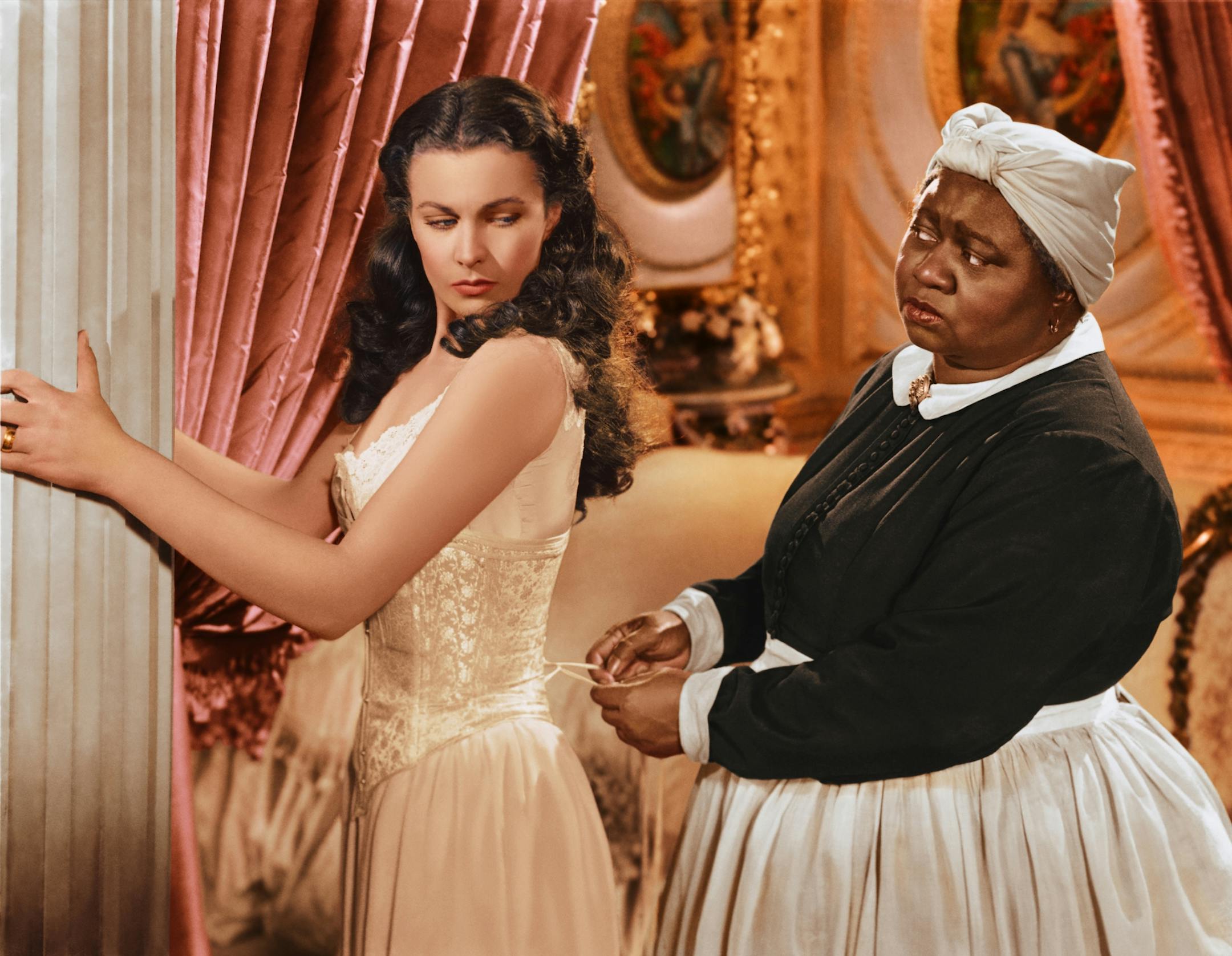
When administrators at the University of Georgia declared a ban on hoop skirts in the spring, I could only think, what took you so long?
But in that sense UGA was really no different from other Southern schools. Long after many universities had officially done away with a variety of Old South symbols, the feminine figure most clearly identified with Dixie - the Southern belle - continued to enjoy free rein. College administrators who had long since banned the Confederate battle flag, nixed the singing of "Dixie" and given plantation-owner mascots the boot were still saying yes to the dress.
Wearing hoop skirts to unofficial campus social events such as fraternity-sponsored Old South balls, after all, was just feminine. Just fluff. Just women.
The hoop skirt ban was enacted in response to an ensuing uproar in March at the University of Oklahoma after members of Sigma Alpha Epsilon, a fraternity with Southern roots, were caught on video chanting a racist song with references to lynching. The ban also came just weeks before University of Mississippi student Graeme Phillip Harris was indicted on federal civil rights charges of leaving a noose and a flag bearing Confederate insignia on a statue of James Meredith, the school's first black student. Harris has since pleaded guilty. Of the charges, then-Attorney General Eric Holder Jr. noted, "No one should ever be made to feel threatened or intimidated because of what they look like or who they are." The Mississippi NAACP branch has called the actions a hate crime.
The crude campus racism would soon pale next to the June tragedy in Charleston, South Carolina. After the mass murder of nine African-American churchgoers, allegedly by a white supremacist who blatantly linked his views with the Confederate banner, the U.S. public engaged in long overdue soul-searching about the true meaning of Confederate symbolism. One result has been the steady removal of its signs from civic life. But related conversations have not necessarily taken place, and the question remains: Will feminine racial symbols - less noticed, highly effective - ever be similarly called to task? Will observers ever recognize what the hoop - and the contemporary belle - have to do with the hate?
While donning a hoop skirt on occasion may not constitute a hate crime (whether it is a crime of fashion is another matter), make no mistake: The Southern belle performances routinely staged on campuses across the South constitute choreography of exclusion. And most do not even require a hoop skirt. In campus productions - sorority rush, beauty revues and pageants, sporting traditions - young white women serve as signs of nostalgia for a bygone, segregated South and all its attendant privileges.
In highly stylized renditions of femininity (which differ markedly from their day-to-day routines and visage), otherwise thoroughly contemporary collegians demonstrate their ability to "do" white Southern womanhood: the attire, the manners, the demeanor, the shared references and, above all, the lineage. Such performances stun with their continued ability to consolidate privilege and fly under the representational radar where masculine symbols have all but vanished. Discounted but powerful, these belle performances may not stem from conscious ill intent, but they are surely racial symbols as much as any noose or flag. And they can be plenty intimidating.
Just think about mainline sorority rush as practiced on most Southern college campuses: from the demure dress code and insider skit scripts to the clubby decor and Old South embellishments to the carefully rehearsed patter about home towns and family trees, the choreography of sorority rush - typically performed large and loud against a backdrop of faux plantation architecture-- practically screams to minority applicants, "NOT YOU!"


