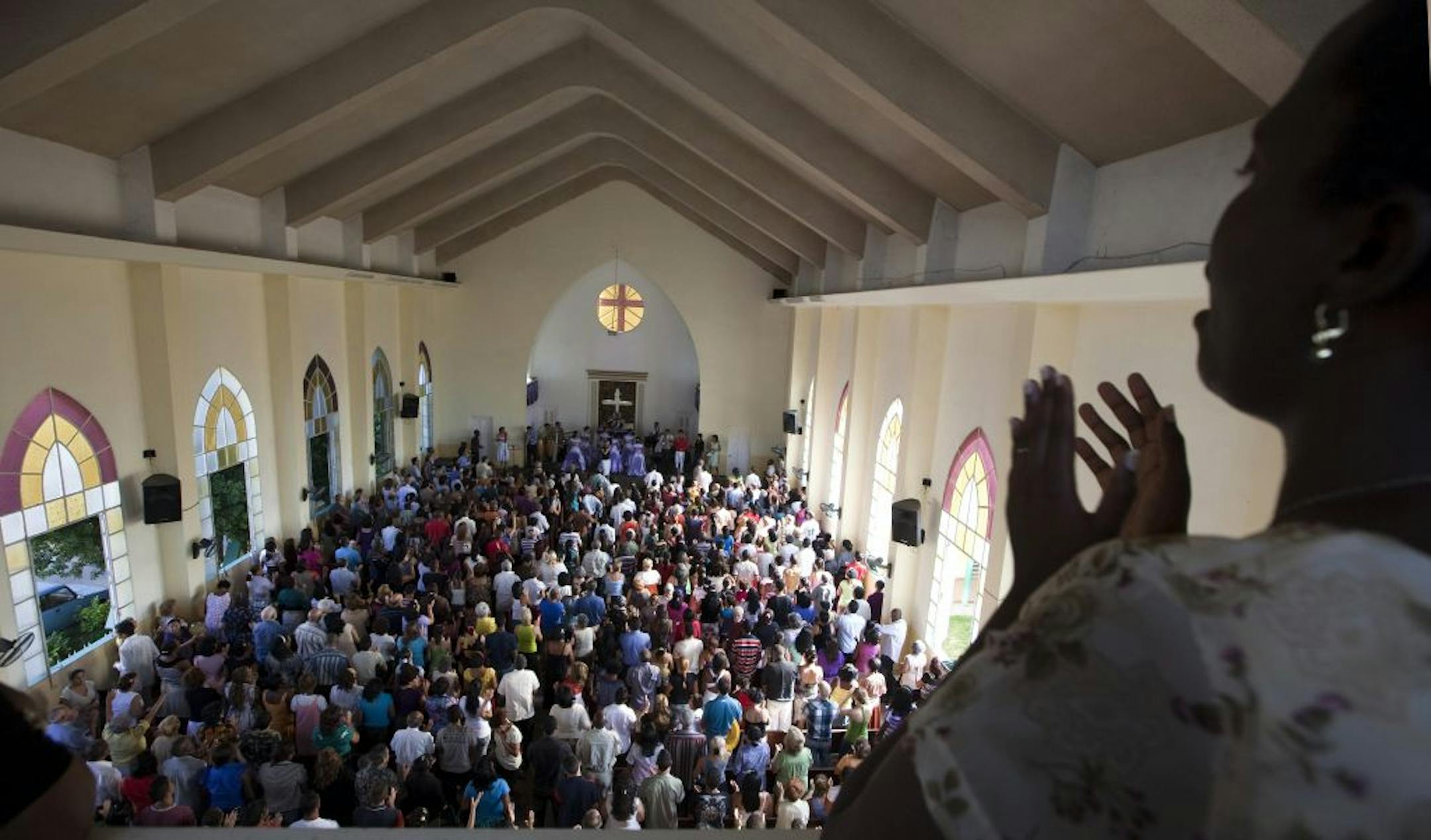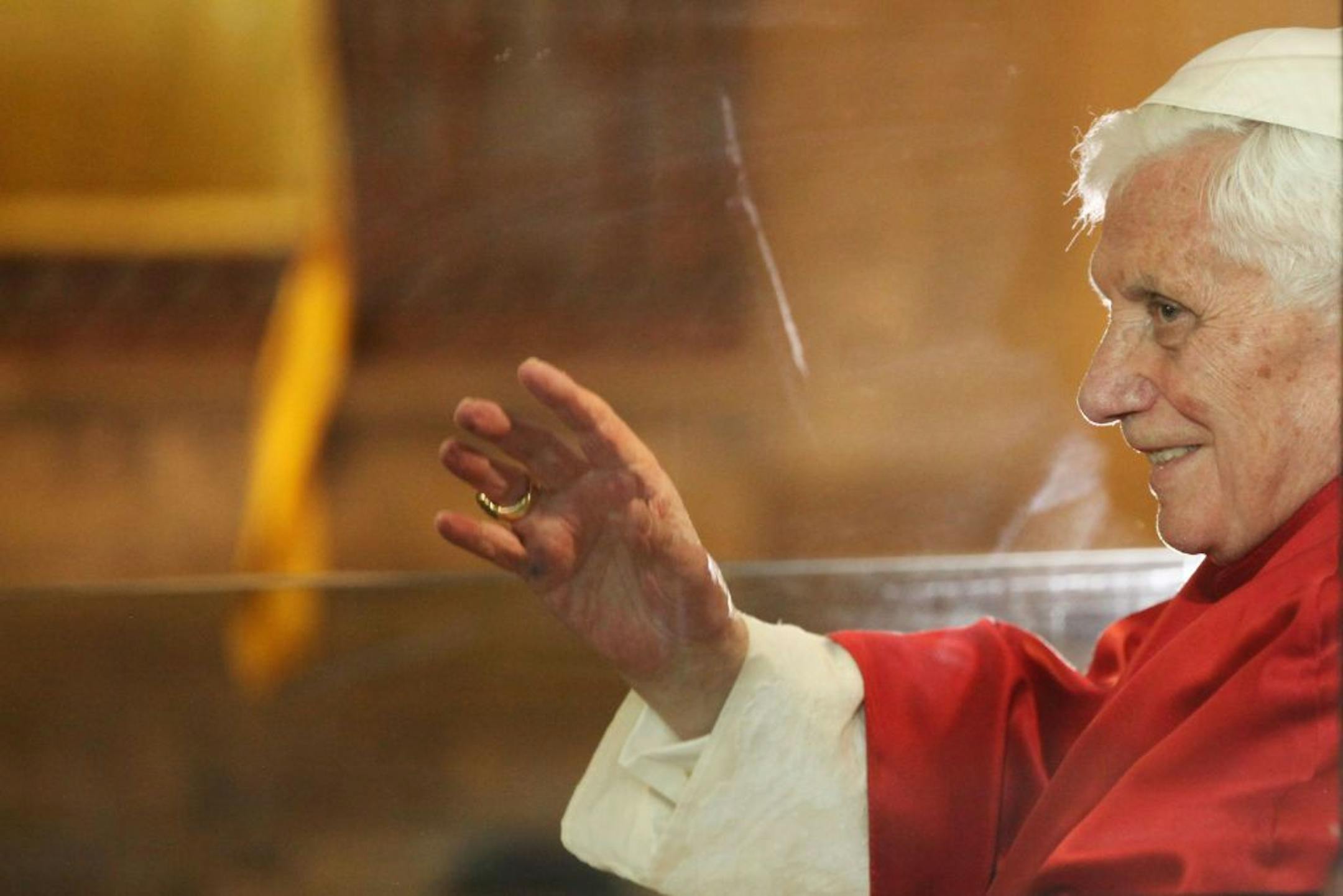
In 1998, Pope John Paul II visited Cuba, prompting outsiders to await a political opening of the kind that brought down communism in his native Poland. Sadly, even two decades after the fall of the Berlin Wall, Cuba remains one of the handful of countries around the world where communism lives on. Illness forced Fidel Castro to step down in 2006, but his slightly younger brother, Raúl, is in charge, flanked by a cohort of elderly Stalinists. When Pope Benedict XVI visits the island this week, expectations will be more muted.
Yet momentous change has begun in Cuba. It has started on the road toward capitalism, and that will have big implications for the United States and Latin America.
The journey will be painfully slow. No active dissent from one-party rule is allowed. Fidel Castro opened the island's economy a little in the early 1990s after the collapse of the Soviet Union and the withdrawal of its subsidies, only to stop when he found a new benefactor in Venezuela's Hugo Chavez.
But this time seems different. Raúl Castro, though no democrat, is clearly a more practical man than his brother. He recognizes time is running out for his island. The population is shrinking and aging, the economy is unproductive and the state can no longer pay for the paternalist social services of which Cuba was once proud. Meanwhile, Chavez's health and his hold on power are uncertain.
The changes Raúl Castro has introduced are almost certainly irreversible. Much of Cuban farming is, in effect, being privatized. Around a third of the workforce is due to transfer by 2015 to an incipient private sector. As well as employing others, Cubans can now buy and sell houses and cars, even as the number of mobile phones and computers on the island is rising fast. This looks like a turning point similar to Deng Xiaoping's revolution in China.
No man is an island
Reform is moving slowly partly because Raúl Castro is ambivalent. He insists, as Deng did, that his aim is to sustain, not dismantle, Communist Party control. There are also obstacles to reform. Bureaucrats fear losing power and perks; ordinary people fear rising prices.
But going too slowly is now as dangerous for the Castros as going too fast. Cubans are unhappy. Their schools and hospitals are not as good as they were. Inequalities of income now exist alongside those of power. There is resentment of the opportunities afforded to insiders and denied everyone else. Having raised Cubans' hopes of change, Raúl Castro needs to create winners from the reforms -- and that means pushing ahead. Small businesses must be allowed to become medium and large ones. Foreign investment should be welcomed.