

On Nov. 6, Minnesotans from all corners of the state will go to the polls to choose who will represent them over the next two to six years. This includes choosing the next president, a U.S. senator, members of Congress and state legislators.
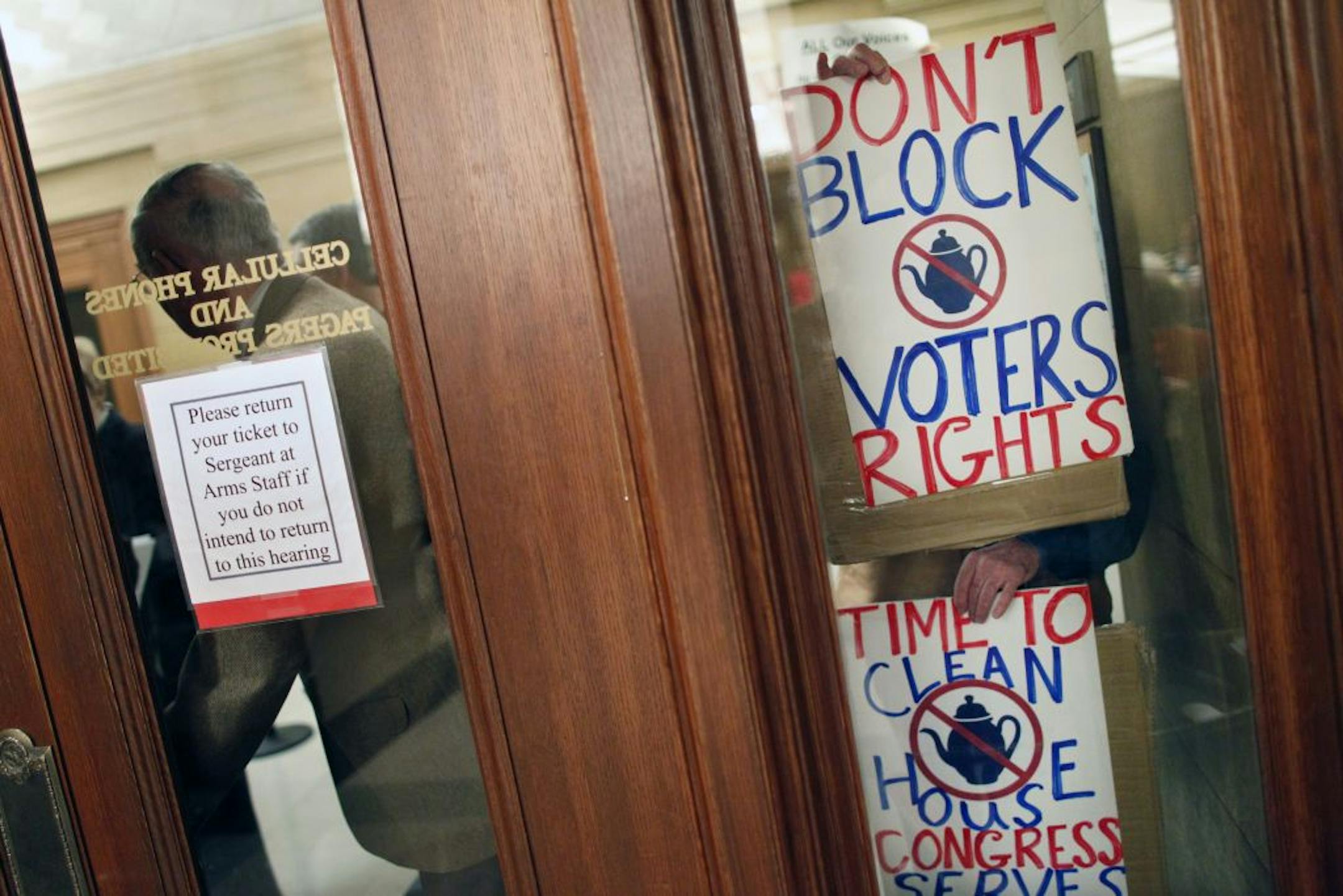
Also on the ballot will be a proposed amendment to Minnesota's state Constitution seeking to fundamentally change how elections are conducted in this state by restricting who will be allowed to vote. Unlike choosing candidates -- a result that lasts for only a few years and can be changed in the next election -- the result of the vote on this amendment will be permanent.
This is why it's important that Minnesota voters understand the complicated changes that will occur if this amendment passes. It is certainly much more than simply showing a photo ID. It will be a massive overhaul of our nationally recognized elections system, a system designed and fine-tuned by Republicans, Democrats and independents over the past 40 years.
Over the past few weeks, local officials including county clerks, elections administrators, township officials, county commissioners, city council members and mayors have come forward voicing growing concerns about this amendment -- concerns over the costs, complications and a long list of unintended consequences that will hit our municipalities like a sledgehammer if it is approved.
While we may not know the full cost, what we do know is that a vote for this amendment is a vote in favor of property tax increases. From our vantage point, this amendment is nothing more than an unfunded mandate being imposed on our local governments by a Legislature that couldn't figure out how to pay for it.
Local officials and the secretary of state have calculated that the amendment will cost anywhere from $30 million to more than $50 million for statewide implementation, with the bulk falling on cities and townships. This includes the costs to pay for new equipment, additional election judges, training and infrastructure development. These costs then will be transferred to taxpayers, either through an increase in property taxes or through local cuts.
In the case of townships with aging and declining populations who use mail-in balloting -- most of them in greater Minnesota -- these precincts will have significantly higher per-capita costs as they scramble to reestablish accessible polling locations so voters can show a photo ID before voting rather than just mailing the ballot in.
As officials elected by our constituents to make tough choices in a difficult economic climate, we're on the front lines of paying for these changes and making sure eligible voters of our cities and towns are able to participate in our democracy without unnecessary hurdles. And herein falls another big concern: The voter-restriction amendment would make it incredibly hard for the eligible voters in our cities and townships to actually cast their ballots and make sure they are counted.


