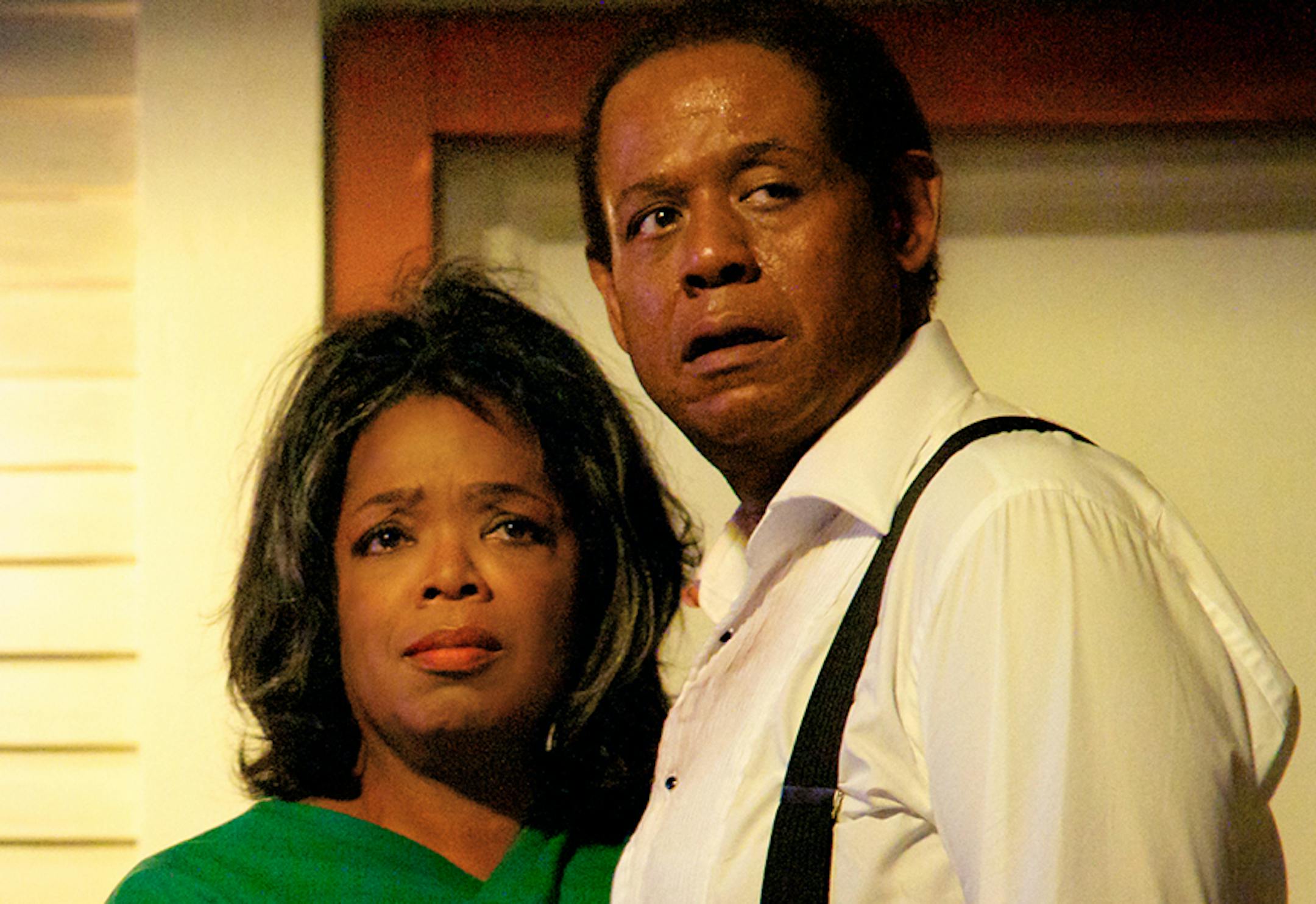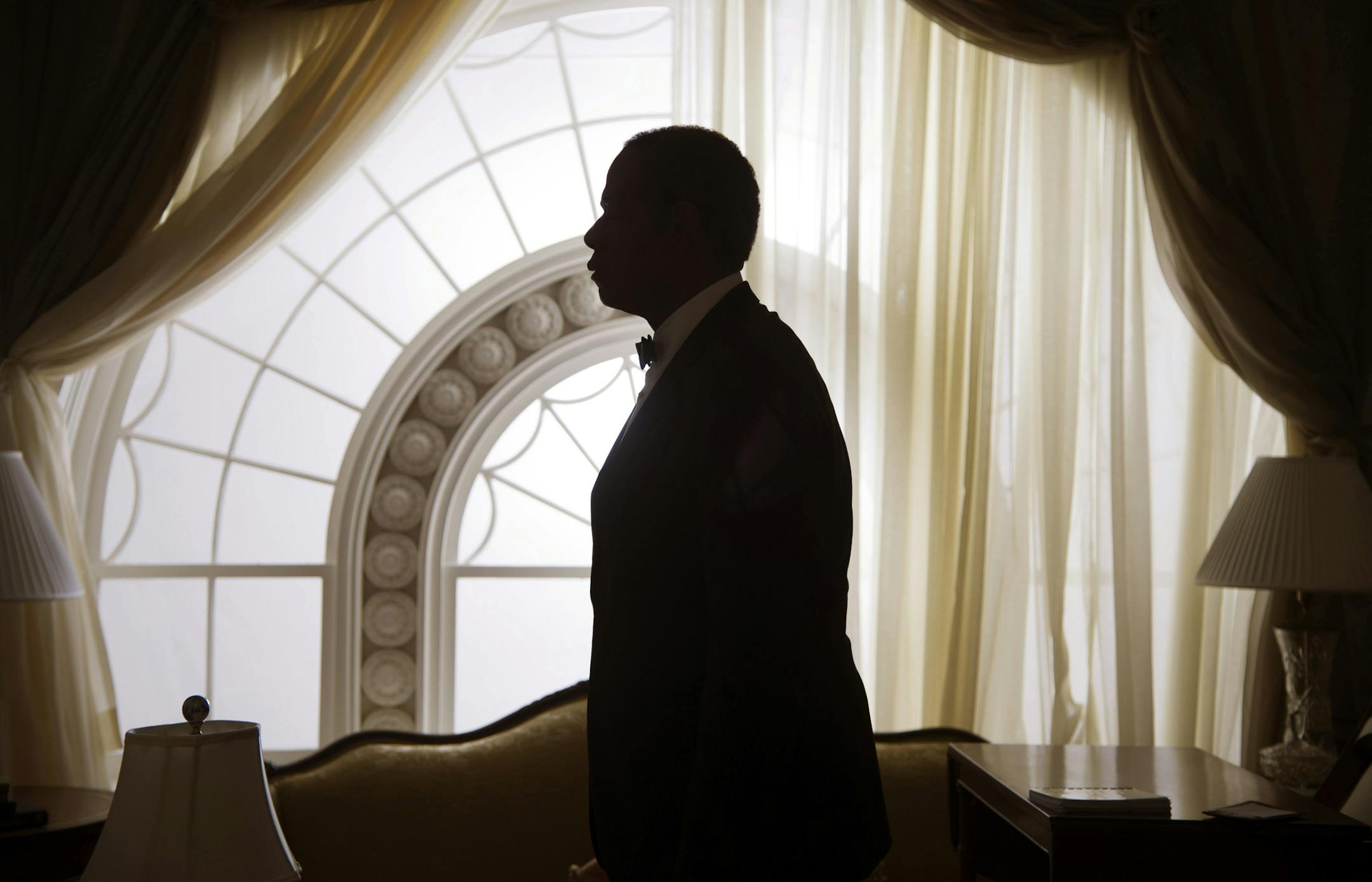
I watched Lee Daniels' "The Butler" in a standing-room-only theater on Martha's Vineyard, with a thoroughly integrated audience of well-educated black and white people, whose ages ranged from teenagers and college students to midcareer professionals and retirees. The audience sat riveted over the entire course of the film, alternatively moved to laugh at the intraracial humor, to cry at the frailties and foibles of the all-too-human characters so vividly brought to life and to sit in pained -- sometimes stunned -- silence at the film's most poignant revelations about the mysteries and horrors of race and race relations in 20th-century America.
I have to confess that I, a film junkie and a student of black cinema, past and present, found myself deeply and profoundly moved by "The Butler" from start to finish. There are several reasons that I was so engrossed with the film's plot and the brilliantly subtle ways that Daniels brought Danny Strong's extraordinary screenplay to life, but upon reflection, I think the most important of these is Daniels' and Strong's uncanny capacity to lift the veil, as W.E.B. Du Bois so famously put it, on how black people actually talk to one another behind closed doors, when they are free to speak unconsciously, without censoring themselves in front of white people or in the presence of the black thought police. In other words, when no one is around to disturb the unconscious flow of black culture at its most honest and direct.
How many other black films have ever achieved this quality? Not many, I am afraid. For even our most accomplished black filmmakers, when bringing the complex reality of African-American history and consciousness to the screen, still have a tendency to worry about "what white people will think of us," or how telling the truth about ourselves might be "misused" by right-wing commentators or Tea Party detractors of our great president. So they censor themselves, for what they naively and mistakenly believe is the "greater good" of the political destiny of our people.
But this is always a mistake: Censorship -- even, or especially, self-censorship -- is to art as lynching is to justice. It aborts creative genius; it aborts the quest to find a language, in this case the language of film, to tell the truth about one aspect of the human experience, in its fullest complexity. But Daniels and Strong avoid this pitfall, a pitfall deadly to the creation of art, and do so magnificently. For this reason alone, although there are many other strengths in this film, both Daniels and Strong, in my opinion, deserve Academy Award and NAACP Image Award nominations for this great achievement.
But there is a second reason that I love this film: It achieves, implicitly, what so many black political figures and talking heads have been calling for since the George Zimmerman verdict was announced -- that proverbial "conversation about race" called for, it seems, every time another racist incident is inflicted upon a black person. Let me admit that I am dubious about "conversations about race" -- not because we don't need to continue to address how the historical or systematic manifestations of structural and institutional racism persist in affecting how each and every black person can conduct his or her daily life. We do. And not because I think that the other source of anti-black treatment of our people -- individual attitudes, often unconscious ones, that reflect a deep-seated prejudice, rooted deep in the psyche -- should not be analyzed and worked through in a collective, national therapy session. We so urgently need this kind of psychological cleansing of personal bias.
It's just that I don't think either of these two causes of anti-black racism can be addressed sufficiently, once and for all, in a single "conversation about race," no matter who is leading it, how many tears its participants shed and how many choruses of "We Shall Overcome" that sort of feel-good session ends with.
- - -
"Conversations" meant to shape national cultural behavior don't really happen in one day; they happen systematically, mostly unconsciously, in certain rituals and arenas that society has cleverly constructed for this purpose. The most important arena of all is our schools. Schools, for good and ill, have long been the prime venue for shaping citizens, for formulating the shared cultural-belief system that defines what is "an American" and what is official "American history," starting with "My Country 'Tis of Thee" and the Pledge of Allegiance to how George Washington never told a lie after he chopped down that cherry tree.