

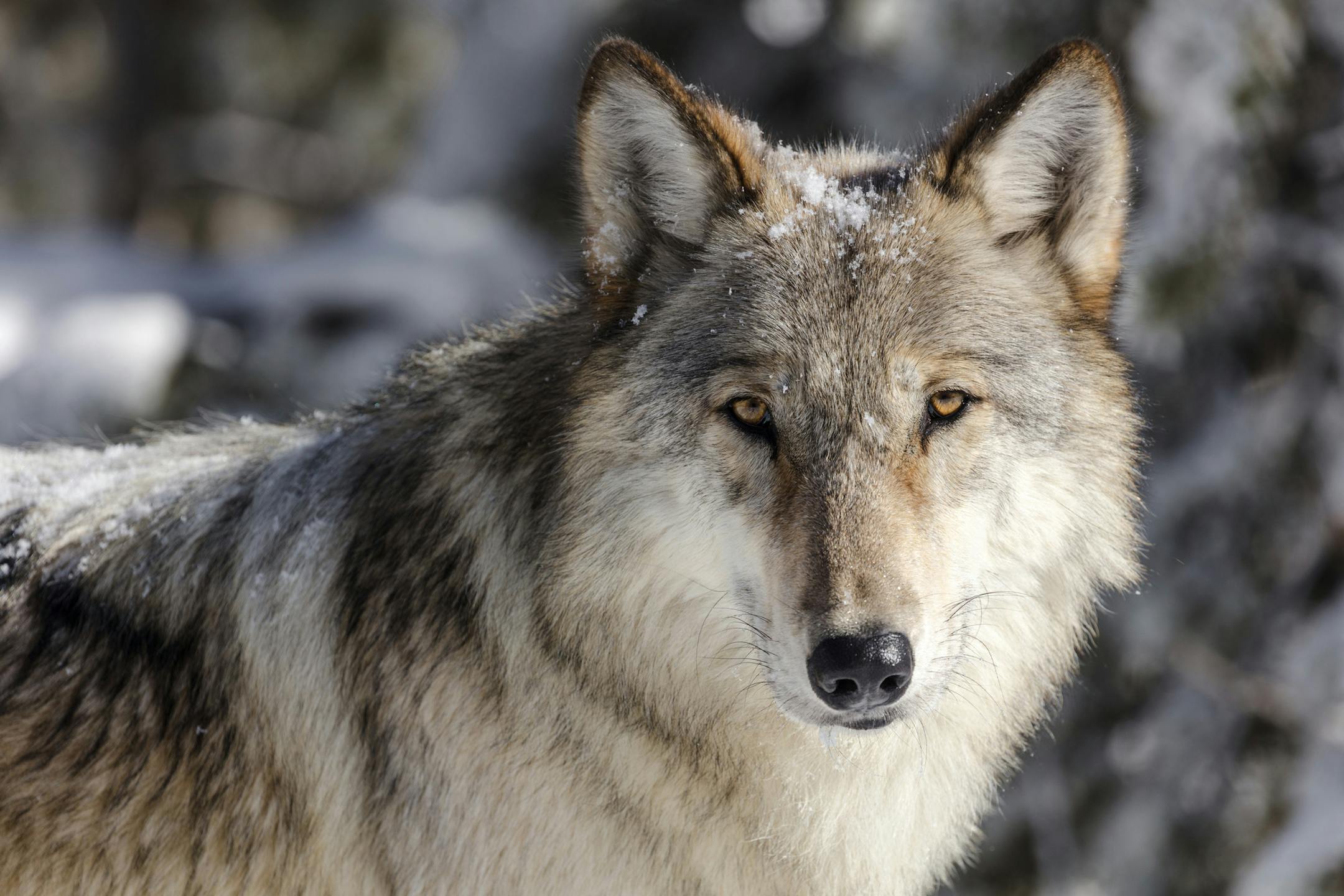
We know the consequences of delisting wolves — that is, removing Endangered Species Act (ESA) protections for gray wolves, as federal officials announced last week. Scientists can now predict the future for wolves with some certainty.
Thousands of wolves will be killed, certainly. We know this because it is happening now in Idaho and because each time federal protection under the ESA was relaxed in the past (six times in Michigan and Wisconsin), private hunters, trappers and hounders did their part, and government agents using poison, explosives, shooting, aerial gunning did the rest.
This time is unlikely to differ given those in power now are more anti-wolf than past administrations. I've explained to them how I thought delisting would increase environmental crime, cost livestock owners more, lead to more animal deaths and waste taxpayer money.
Crime follows legalizing wolf-killing: We will probably see a spike in the crime of poaching, or illegal killing. Poaching doesn't just happen in faraway places like Africa, nor does it seem noble like Robin Hood's acts. Poaching has been the major source of mortality for gray, red and Mexican wolves in the U.S. (all endangered species protected explicitly from intentional and unintentional harm).
Poaching is often intentional, hide-the-evidence crime, some of it organized by pro-trophy-hunting and pro-gun groups and the rest by "delinquent hunters" (another euphemism for those irresponsible with guns). The latest estimate by Francisco Santiago-Ávila in 2020 suggests as many wolves will be poached as are intentionally killed by the state agents. White House policy invites crime in this case.
Wolf-killing begets more killing. There are two reasons why an accelerating number of wolves and domestic animals are likely to die after delisting. The first is that the men who want to kill wolves will ask to kill yet more wolves. Christine Browne-Nuñez's work in 2015 made that clear. The apologists for wolf-killing will also trot out the debunked claims that legal killing reduces poaching and raises tolerance for wolves. Survey research with Wisconsin residents conducted five times since 2001 culminated in Jamie Hogberg's 2015 research that suggests human attitudes soured to wolves and inclinations to poach them increased among men living in Wisconsin's wolf range after delisting and the biggest death toll since wolf-bounties were enacted. Killing to conserve is myth.
Farmers might lose more livestock. More wolf-killing is likely to spur more wolf attacks on domestic animals.
Stable wolf packs prefer to hunt deer, not livestock. Wolf packs suffering human persecution might break into smaller fragments. Think of a sports team that lost teammates but has to play on — not for imaginary points but to avoid starvation. The survivors might go after the more predictable big herds in fenced pastures, because the team used to hunt wily fast, unpredictable deer. So the risk to domestic animals and people might increase.


