

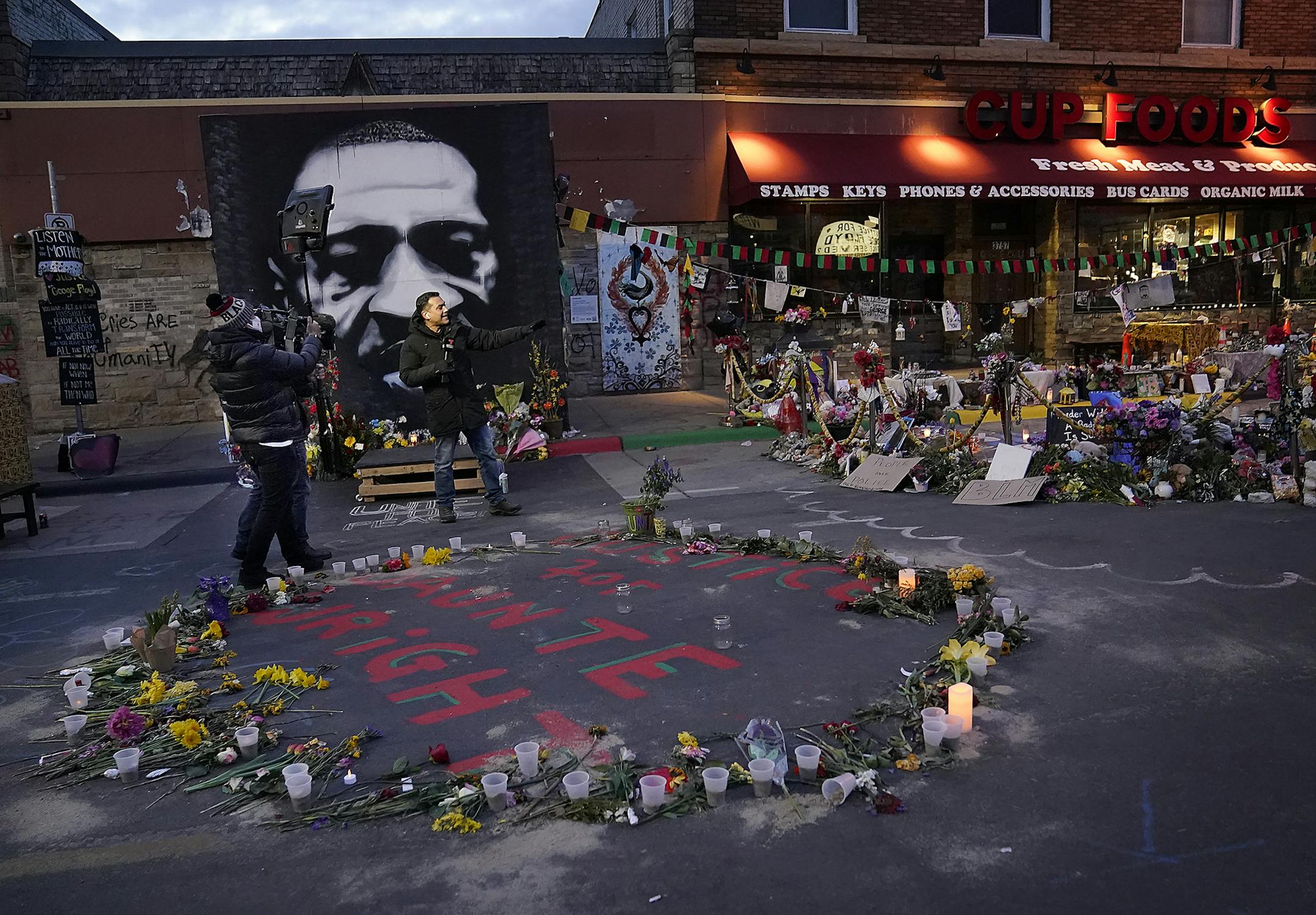
History has been a stern instructor of Black people in this country, beating out hope wherever it dares to emerge.
As James Baldwin once put it, there is embedded in the American Negro the "wise desire not to be betrayed by too much hoping." The possessor of dashed hopes is in some ways more injured and dangerous than the consistently hopeless. The possessors of dashed hopes spread their wings, which make them vulnerable, and get them clipped. Bitterness is a natural byproduct of such betrayal.
Before Tuesday's guilty verdict for a former Minneapolis police officer, Derek Chauvin, in the murder of George Floyd, many of us were afraid to hope that justice would be done. It doesn't matter the strength of the case or the preponderance of evidence; convicting a police officer of killing a Black man is so rare in this country that I can count the recent cases I recall on my fingers … on one hand.
So when the verdicts came down, for me, there was a moment of shock: The justice system had administered justice to a Black man, a Black family, the Black community, the country and the world. We are so used to the system betraying us that it was stunning to see it serve us.
Could we celebrate? Should we celebrate? Of course we should have, and did.
But even in celebrating that victory, there is sadness. Why is the hurdle set to that nearly impossible height? Must your killing be in slow motion and caught on not one video but multiples?
Must the "Blue Wall" crack and your police chief testify against you? Must a child be put on the stand to explain how your killer's depraved act has traumatized them?
Most killings of unarmed Black people by the police won't have that. Most will have the officers' account and the police department's statements.


