

Read an old novel, or watch old movies, and you might be struck (as I am) by the dearth of restaurant meals. Only rich characters dine out frequently. The everyman might get a quick breakfast at a drugstore or a coffee shop, but a real sit-down dinner? For regular people, that was for special occasions, not a regular occurrence. Most of the food that people ate — and the overwhelming majority of dollars they spent on food — was home preparation, not restaurant service.
Times certainly have changed. The average American spends slightly more on bars and restaurants than they do on home cooking. Since restaurant meals cost more, this still means that most people get most of their food from the refrigerator. Nonetheless, the average American eats out about five times a week. Compared with any time in history, this is stunning. And it leads to a stunning question: Why aren't restaurants doing better financially?
A recent article in QSR magazine reported: "[R]estaurants have now posted four consecutive quarters of declining year-over-year sales. The last time the industry experienced a year with all negative quarters was 2009, when the economy was suffering the effects of the great recession." Traffic has declined and check growth is nearly stagnant, which adds up to bad news for the restaurant industry.
This may seem hard to believe for folks in cities like Washington, where we seem to be in a golden age of dining out. The renaissance in my city has been particularly noticeable, because when I moved to D.C. 10 years ago, the city was oversupplied with college bar food and steakhouses where lobbyists could take congressmen, and undersupplied with every other kind of restaurant. But it's been happening in other cities too — virtually everywhere you go in the U.S., the variety and quality of restaurants has only increased.
Which could partly explain the industry's financial problem. Sure, demand for restaurant meals has risen. But when demand rises, often supply also rises as well.
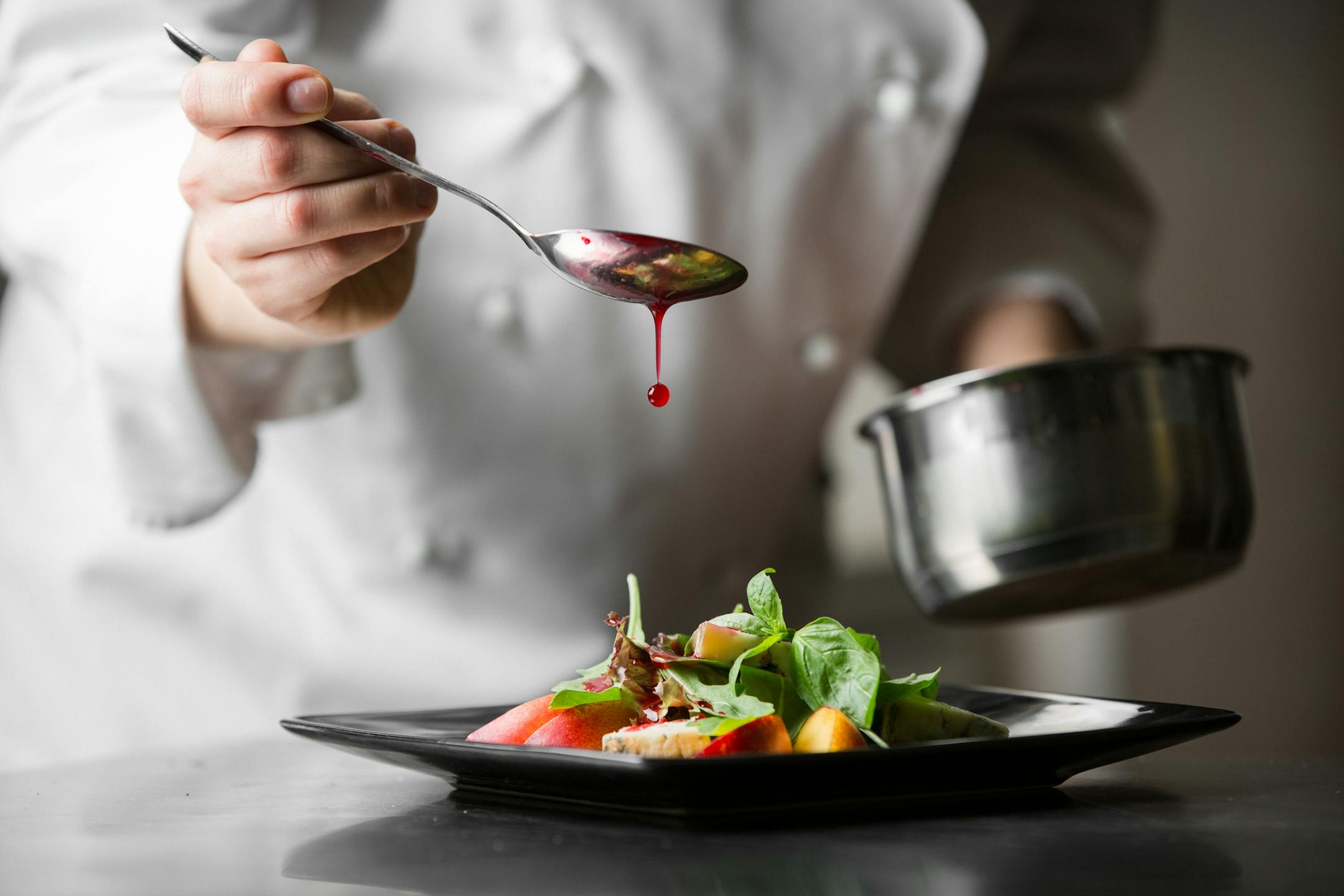
In recent decades, food and beverages have become the sort of thing that upper-middle-class folks aspire to make as well as to eat. For most of its history, food preparation was unglamorous: something done by millions of uninspired housewives every night. Fifty years ago, its professional counterpart was a fundamentally working-class occupation because restaurant work, however well done, is hard physical labor.
But as mass-produced food options became better and cheaper, cooking became optional — and then it became a craft, rather than a tedious necessity. Thanks to immigration and labor-saving devices, it became one of the few things that middle-class people still do with their hands. It acquired artisanal glamour and become the sort of thing that upper-middle-class people might aspire to do, mostly in service to the increasingly varied and sophisticated tastes of other upper-middle-class people.
When an industry becomes glamorous, we expect that more people will pour into that industry than it can actually support, putting downward pressure on earnings. And yet that's not quite what we see. As Derek Thompson of the Atlantic points out, 2016 brought a net decline in the number of independent restaurants in major cities like New York, San Francisco and DC; what growth there was came from fast-food chains. So while supply may be part of the story, to understand what's happening to restaurants, we also need to look at demand.


