

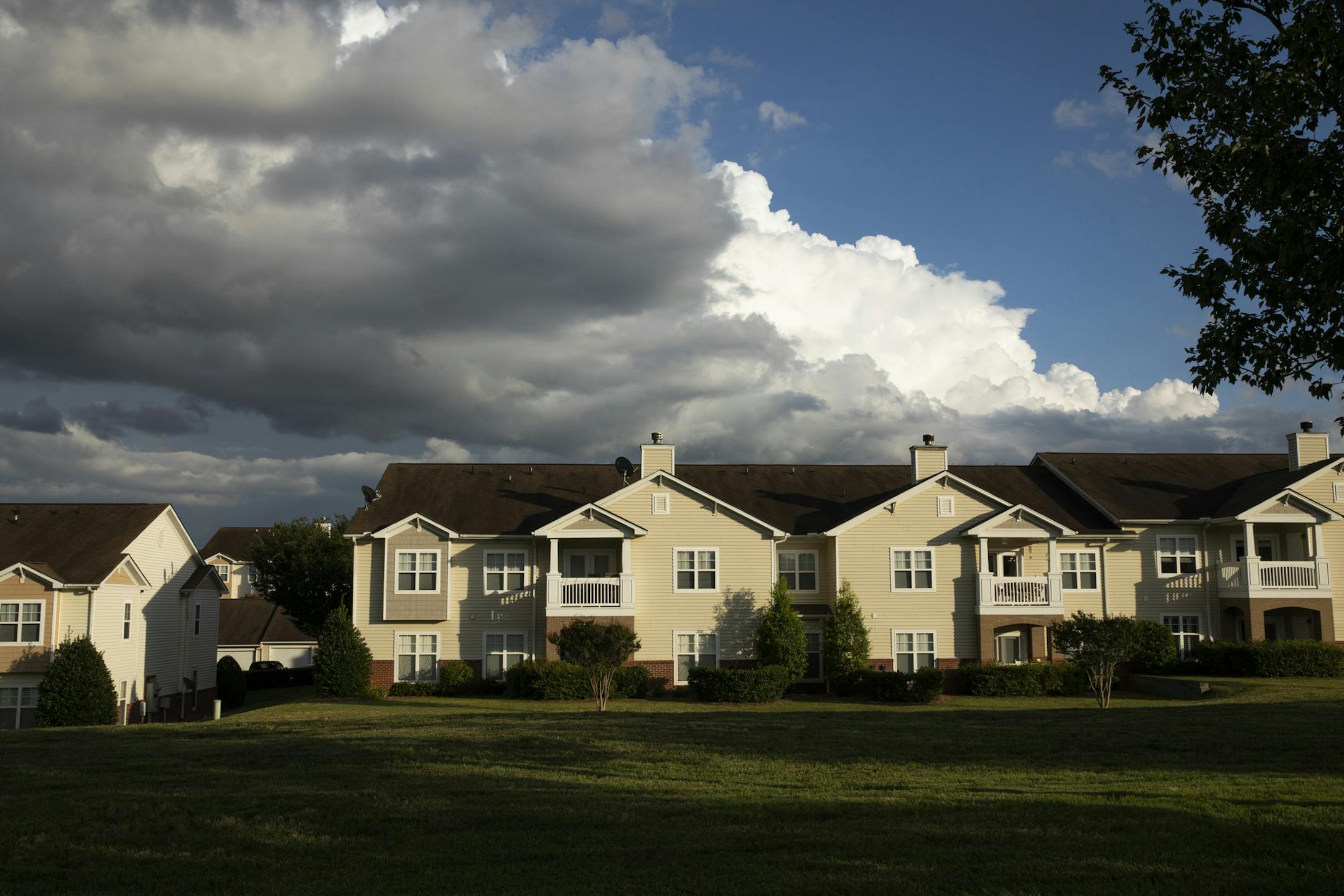
American politics is increasingly about dueling geographies. Democrats have become the party of the nation's cities, while the Republican Party finds its base in rural, small town and low-density exurban America, places of less extreme class divisions than the big cities, but also with less diversity and a smaller share of the population.
Yet the political fulcrum of 2020 won't be found in these competing universes — but in suburbia.
Since 2012, suburbs and exurbs account for about 90% of all metropolitan-area growth. Home to more than 80% of residents of the nation's 53 largest metro areas, the suburbs have nearly half of all voters. Florida has long been the ultimate swing state. As one political analyst put it: "Suburbs are the new Florida."
In recent years, both cities and rural areas have become more politically monolithic. In 2008, Barack Obama won nearly one-quarter of the country's non-metro counties. Eight years later, Hillary Clinton won barely 10%.
At the same time, voters in big cities have become more rigidly Democratic. In 1984, for example, Ronald Reagan won 31% of the vote in San Francisco and 27.4% in Manhattan. In 2016, Donald Trump won only 10% of the vote in San Francisco and Manhattan.
In sharp contrast, suburban areas remain remarkably well-divided. For the past 20 years the Republican-leaning suburban voters have held steady at 47%, with Democratic leaners at 45%. Successful presidential candidates need to win the suburbs. In 2008, Obama, with many suburbanites under water from the financial crisis, won the suburban vote and the election.
Though suburban voters are evenly split, they can also be fickle, sensitive to immediate economic challenges and less politically ideological. Of the 41 congressional districts that flipped from Republican to Democratic in 2018, 38 were suburban, fueled by a rejection of Trump's policies such as harsh immigration rules and limiting deductions on taxes — particularly important in diverse high-cost states like California — as well as his personal behavior.
Joe Biden currently holds a big edge with suburban voters, including in key states like Ohio. But there's time for Trump to shift those voters to his side with pragmatic policies that speak to their needs. Instead, he is using the suburbs as a mythical backdrop for a white suburban identity, even as the suburbs become more racially and economically diverse.


